Quote · Added 29 June 2026
The final test of freedom is this: Can you remain the same person in praise, in insult, in gain, and in loss?
Filed underfreedom·integrity·resilience
Quote · Added 29 June 2026
Filed underfreedom·integrity·resilience
We live in an age where your sense of self can shift wildly depending on the last comment you read or the outcome of something you just tried. Get praised for a project and suddenly you're more confident, more assured. Get criticized and you start doubting everything. Win money or lose it, land the job or don't get it—and your entire internal weather changes. Seneca's question cuts through all the noise: Are you actually the same person underneath all of this, or are you just a mirror reflecting back whatever's happening to you?
This matters because stability isn't boring—it's freedom. When you're constantly reshaped by external feedback, you're enslaved to it. You become reactive, always adjusting your self-image based on the last hit of validation or rejection. But if you can hold your values, your humor, your kindness steady whether things are going your way or not, you've actually won something real. You're not impervious or cold about it; you can still feel disappointment or joy. You just don't let those moments rewrite who you actually are.
The practical test is surprisingly simple: think about the last time someone praised you versus insulted you. Did your core sense of what matters to you shift? Or did you stay intact while processing both? That gap is where freedom lives.
d. 65
Lucius Annaeus Seneca (4 BC – 65 AD) was a Roman philosopher, statesman, and playwright. He is best known for his philosophical works exploring Stoicism, as well as his plays which were highly regarded during his time. Seneca served as an advisor to Emperor Nero and is remembered for his moral and ethical teachings that continue to influence modern philosophy.
Also by Lucius Annaeus Seneca
The greatest remedy for anger is delay.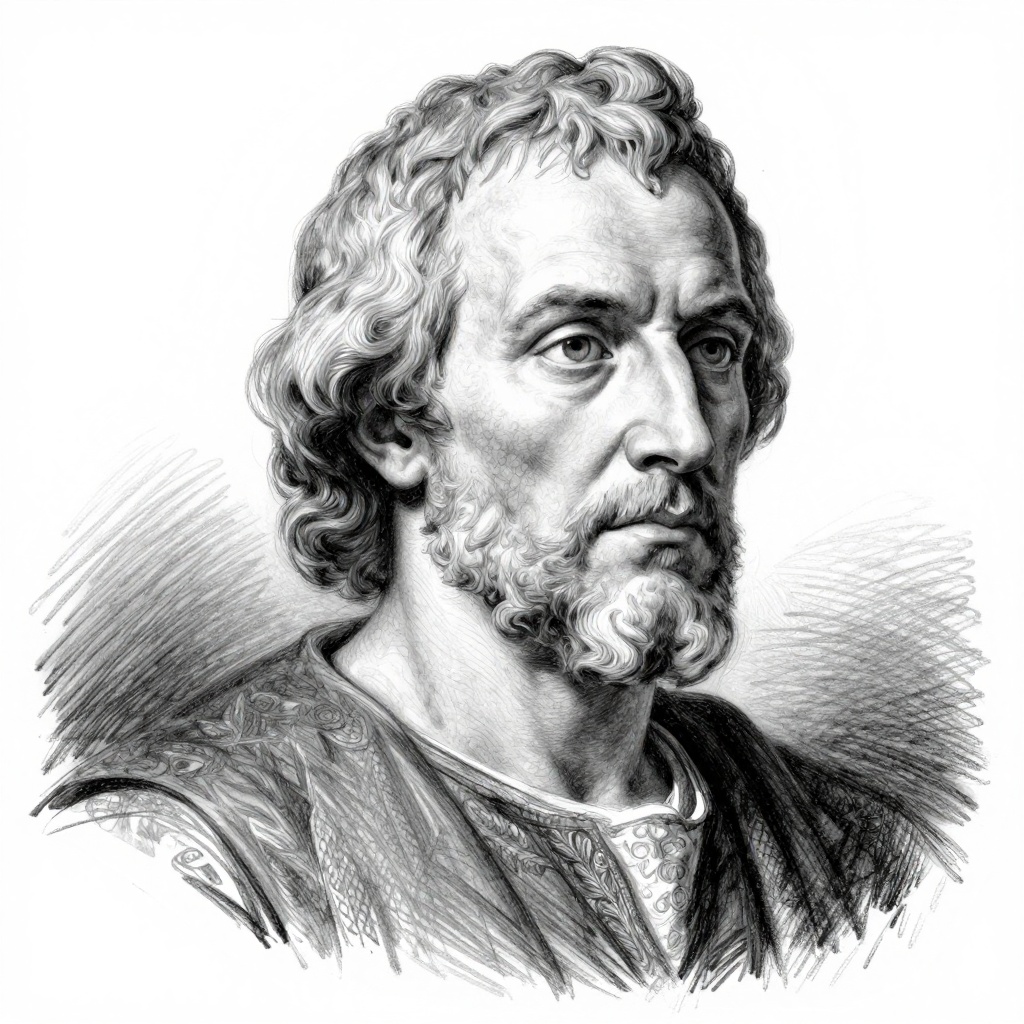
Comments