Quote · Added 14 February 2026
The devil can cite Scripture for his purpose.
William ShakespeareThe Merchant of Venice, Act I, Scene III
Filed underdevil·manipulation·deception
Quote · Added 14 February 2026
Filed underdevil·manipulation·deception
We tend to think bad people are obviously bad—that they wear their intentions on their sleeves. But Shakespeare knew better. The most convincing arguments often come wrapped in perfectly legitimate language. Someone arguing for a terrible idea will grab the parts of the Bible, the constitution, or basic fairness that support them while conveniently ignoring everything else. They're not lying exactly; they're just being strategically incomplete.
This matters now because it explains why arguments feel so slippery online and in real life. Two people can both cite "free speech" or "personal responsibility" or "what's best for families" and end up on completely opposite sides. They're not always stupid or malicious—they've just chosen which truths to emphasize. The problem is that selective honesty is harder to spot than an outright lie. It feels legitimate because parts of it actually are.
The real takeaway isn't that we should distrust arguments that use good principles. It's that we should get suspicious when someone uses only one principle while completely ignoring others that also matter. The devil isn't shouting; he's quoting selectively. So when you hear a convincing argument—especially one that makes you immediately angry at the other side—it's worth asking: what's this person leaving out?
1564–1616·lived 52 years
William Shakespeare was an English playwright and poet, widely regarded as one of the greatest writers in the English language. Known for his iconic works such as "Romeo and Juliet," "Hamlet," and "Macbeth," Shakespeare's plays continue to be performed and studied around the world, showcasing his profound understanding of human nature and his timeless storytelling.
Also by William Shakespeare
Life is a tale told by an idiot, full of sound and fury, signifying nothing.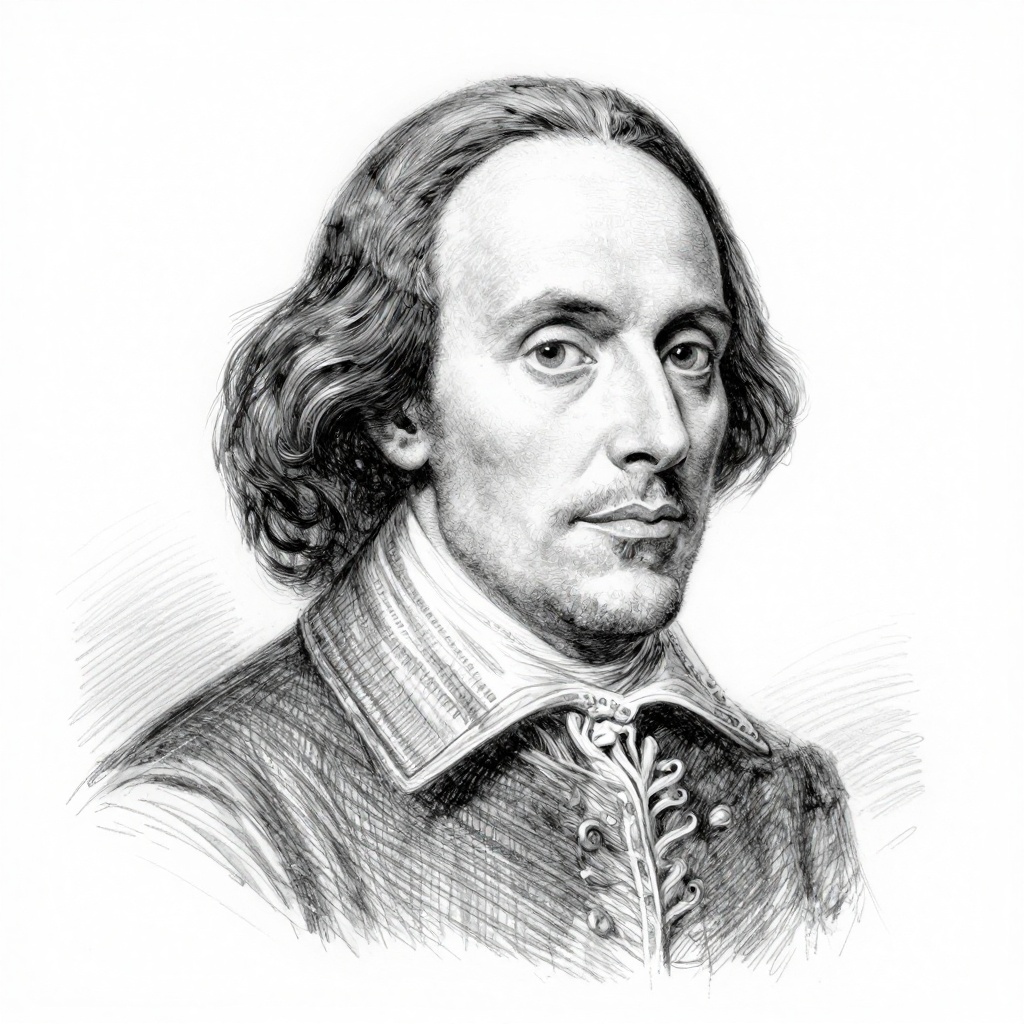
Comments