Quote · Added 14 February 2026
Boldness be my friend.
William ShakespeareCymbeline, Act I, Scene VI
Filed underboldness·friendship·courage
Quote · Added 14 February 2026
Filed underboldness·friendship·courage
There's something we all notice about people who seem to get what they want: they're willing to look foolish. They ask for the raise. They start the conversation. They try the thing nobody's tried before. The gap between them and the rest of us often isn't talent or opportunity—it's simply that they've decided boldness gets to be their companion instead of their enemy.
Shakespeare understood that boldness isn't the same as recklessness or arrogance. It's more like deciding in advance that you're going to take your own side. That you'll speak up even when your voice shakes. That you'll fail publicly if that's what it takes. Most of us spend energy calculating the cost of being bold and forget to calculate the cost of staying silent—the opportunities that slip away, the relationships that never deepen, the versions of ourselves we never get to try.
The real insight is that boldness becomes easier the more you treat it as a friend rather than a stranger. Each small brave thing you do makes the next one slightly less terrifying. You're not waiting to feel confident enough to act; you're acting in a way that actually builds confidence. That shift—from needing permission to just going ahead—changes everything.
1564–1616·lived 52 years
William Shakespeare was an English playwright and poet, widely regarded as one of the greatest writers in the English language. Known for his iconic works such as "Romeo and Juliet," "Hamlet," and "Macbeth," Shakespeare's plays continue to be performed and studied around the world, showcasing his profound understanding of human nature and his timeless storytelling.
Also by William Shakespeare
Life is a tale told by an idiot, full of sound and fury, signifying nothing.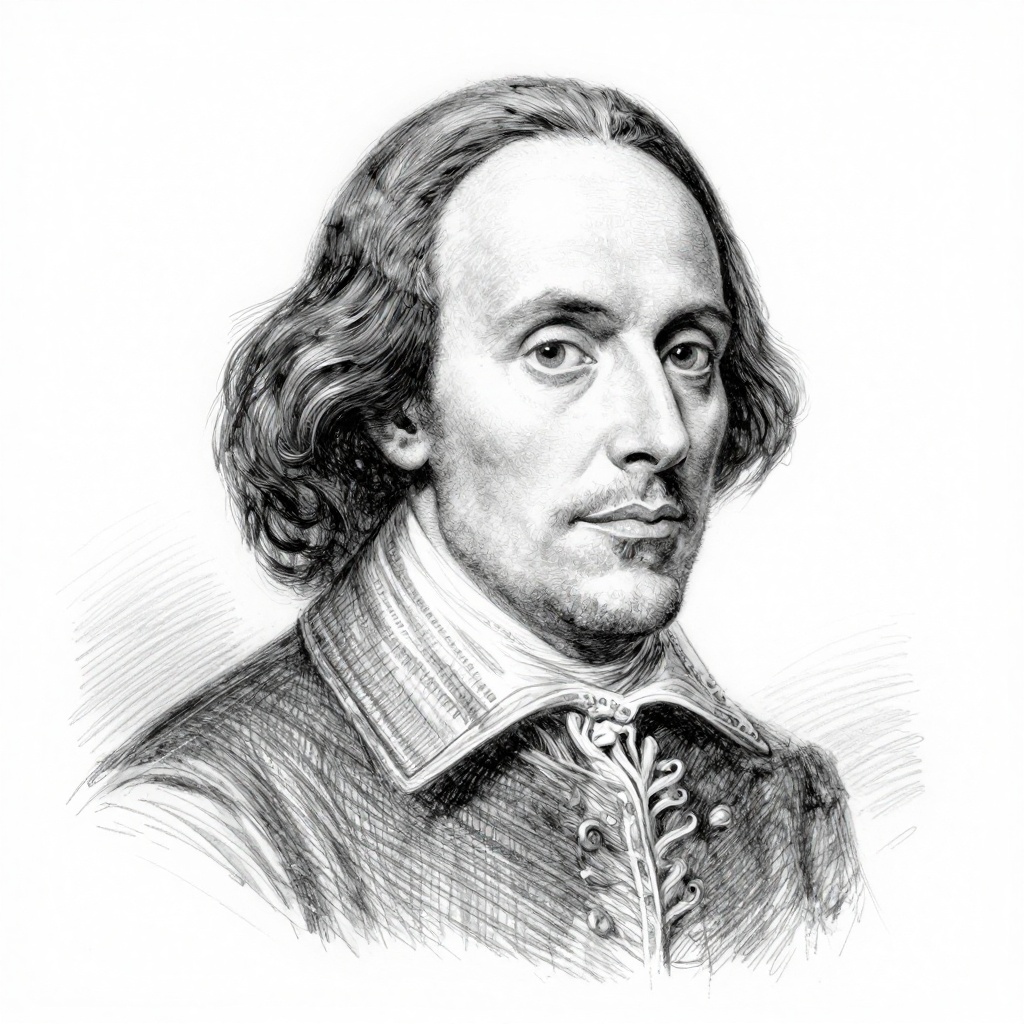
Comments