Quote · Added 10 February 2026
The value of experience is not in seeing much, but in seeing wisely.
William OslerOsler Aphorisms, From His Bedside Teachings And Writings
Filed underexperience·wisdom·perception
Quote · Added 10 February 2026
Filed underexperience·wisdom·perception
We live in an age of relentless exposure. You can scroll through thousands of photos, travel vicariously to countries you've never been, watch documentaries about nearly every profession and hobby imaginable. And yet none of it guarantees you've actually learned anything that sticks or changes how you move through the world.
The real gap isn't between people who've done a lot and people who haven't. It's between people who actually think about what happens to them and people who just let experiences wash over them. Two people can sit through the same meeting, conversation, or failure and come away completely different. One notices the pattern, asks why something went wrong, considers what it means for next time. The other just moves on. Over years, this small difference compounds into the kind of wisdom that makes someone genuinely useful to talk to—someone you actually want to learn from.
This matters especially now because we can outsource seeing to screens and algorithms. But we can't outsource seeing wisely. That requires actual attention, reflection, and the willingness to sit with uncertainty long enough to understand it. The most experienced person in the room might be the one who's done the least but thought the most carefully about what it meant.
1849–1919·lived 70 years
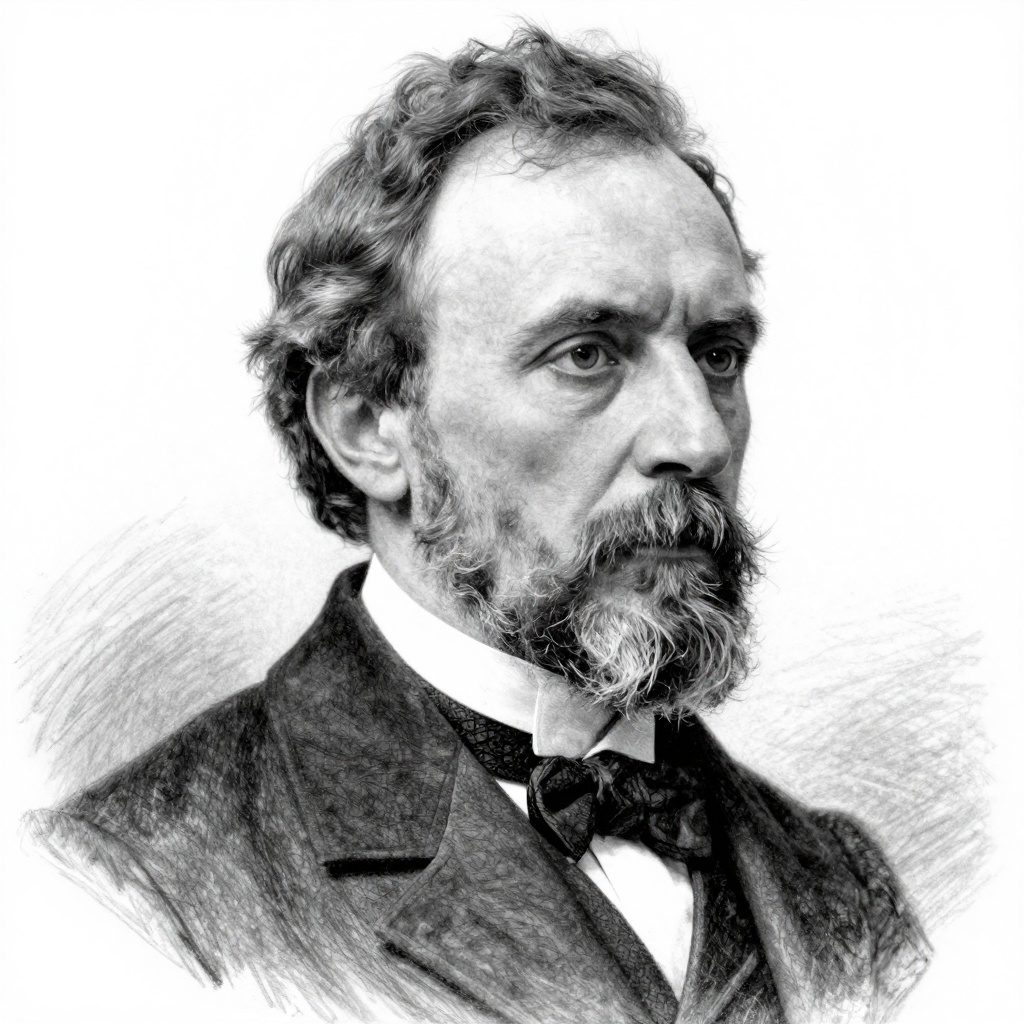
William Osler was a Canadian physician and one of the four founding professors of Johns Hopkins Hospital. He is known as the "Father of modern medicine" for revolutionizing medical education by focusing on bedside clinical training and the importance of patient care. Osler's textbook "The Principles and Practice of Medicine" is considered a classic in the medical field.
Comments