Quote · Added 15 February 2026
The philosophies of one age have become the absurdities of the next, and the foolishness of yesterday has become the wisdom of tomorrow.
Filed underphilosophy·wisdom·absurdity
Quote · Added 15 February 2026
Filed underphilosophy·wisdom·absurdity
We like to think we're finally getting things right—that our current way of understanding the world is basically correct, maybe with a few details to iron out. But if you look at history honestly, every generation has been absolutely certain about things that the next generation found ridiculous. People once thought ulcers were caused by stress (they're bacterial). We medicalized conditions that are now seen as normal variation. Parenting advice swings like a pendulum. What's politically obvious to you might seem laughably naive to your kids.
The uncomfortable part isn't just that we're probably wrong about some things now—it's that we can't easily tell which things. The smartest, most careful people of their time believed plenty of stuff that didn't hold up. This doesn't mean giving up on thinking carefully or chasing evidence. It means holding your current certainties a little more lightly, staying curious about alternatives, and remembering that confidently dismissing something rarely makes you look wise in retrospect. The real insight isn't that everything is relative. It's that intellectual humility—admitting what you don't know and what might change—is actually how you end up on the right side of history more often.
1849–1919·lived 70 years
William Osler was a Canadian physician and one of the four founding professors of Johns Hopkins Hospital. He is known as the "Father of modern medicine" for revolutionizing medical education by focusing on bedside clinical training and the importance of patient care. Osler's textbook "The Principles and Practice of Medicine" is considered a classic in the medical field.
Also by William Osler
There is no disease more conducive to clinical humility than aneurysm of the aorta.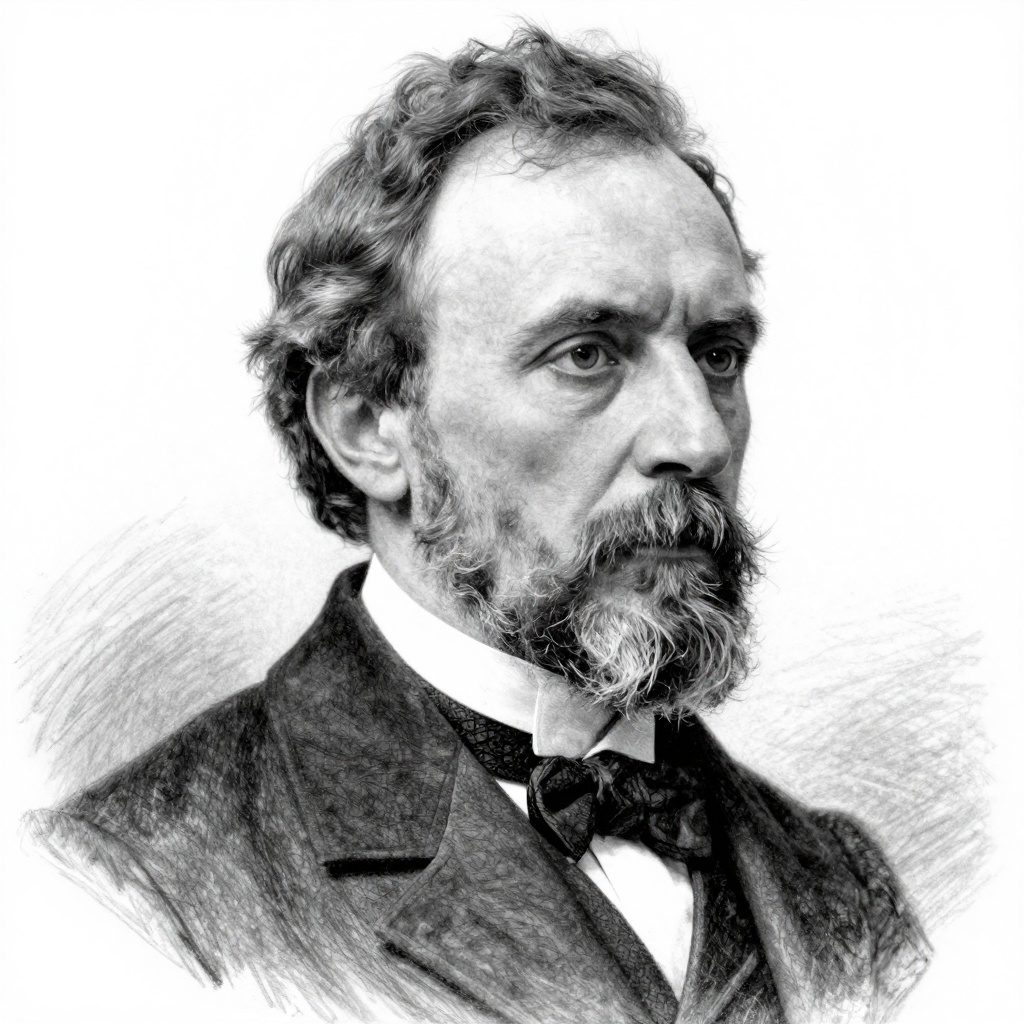
Comments