Quote · Added 14 February 2026
There is no disease more conducive to clinical humility than aneurysm of the aorta.
William OslerAequanimitas, p. 45, 1904
Quote · Added 14 February 2026
Most of us go through life feeling reasonably competent at managing problems—we research, we plan, we take action. Then something happens that reminds us how little control we actually have. Osler's point about aortic aneurysms wasn't really about the condition itself, but about what it teaches doctors: that despite all their training and tools, some things remain fundamentally unpredictable and uncontrollable. You can do everything right and still lose.
That's a hard truth that extends far beyond medicine. We see it in careers that derail despite perfect preparation, relationships that collapse without warning, or health issues that strike randomly. The real sting isn't just the outcome—it's the collision between confidence and reality. We're wired to believe effort and knowledge equal results, so when they don't, it's disorienting. Osler was really talking about intellectual humility: the recognition that expertise has limits, that the world is more complex than our frameworks can capture.
The insight isn't to abandon confidence or planning. It's that the people who handle life's uncertainties best are often those who've genuinely reckoned with what they can't control. They prepare thoroughly but hold their plans loosely. They take action while staying honest about the possibility of failure. That combination—diligence plus humility—is what actually builds resilience.
1849–1919·lived 70 years
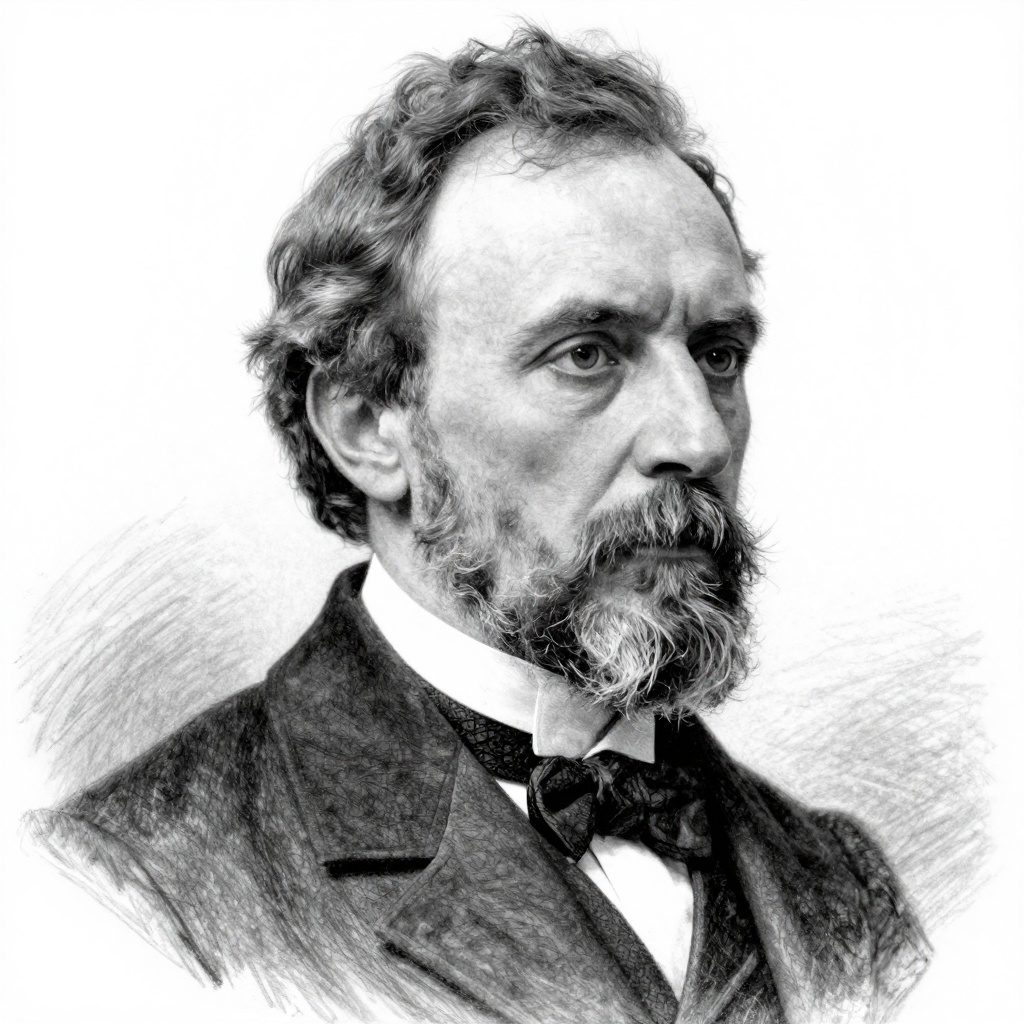
William Osler was a Canadian physician and one of the four founding professors of Johns Hopkins Hospital. He is known as the "Father of modern medicine" for revolutionizing medical education by focusing on bedside clinical training and the importance of patient care. Osler's textbook "The Principles and Practice of Medicine" is considered a classic in the medical field.
Comments