Quote · Added 5 July 2026
Learn from the mistakes of others, for your life will not be long enough to experience everything yourself.
No ratings yet
Filed underlearning·wisdom·experience
Quote · Added 5 July 2026
Filed underlearning·wisdom·experience
Most of us learn this lesson the hard way—by making our own mistakes first, then wishing we'd listened. We watch someone get burned by a bad relationship pattern or a financial misstep, and we think "that won't be me," right up until it is. There's something almost stubborn in human nature that makes us want to feel our own pain rather than just absorb someone else's warning.
But here's what makes this advice worth returning to: you don't actually have time for trial and error on everything. Your life is finite in ways that feel abstract until suddenly they're not. That means every mistake you avoid isn't just a saved headache—it's real time and energy freed up for something that matters to you. The catch is that borrowing wisdom requires actual humility. You have to genuinely listen when someone older or wiser tells you something difficult, not just hear it politely before doing your own thing anyway.
The non-obvious part? Sometimes the people around you are better mirrors for your future than you realize. Your friend's failed business attempt, your parent's regretted career choice, your colleague's warning about a toxic workplace—these aren't just their stories. They're data points about how the world actually works, served up for free. Paying attention costs nothing but ego.
d. 120
Plutarch was a Greek biographer and essayist who lived during the 1st and 2nd centuries AD. He is best known for his work "Parallel Lives," a series of biographies comparing notable figures from Greek and Roman history. Plutarch's writings have had a lasting impact on Western literature and are considered valuable sources for understanding ancient history.
Also by Plutarch
The measure of a man is the way he bears up under misfortune.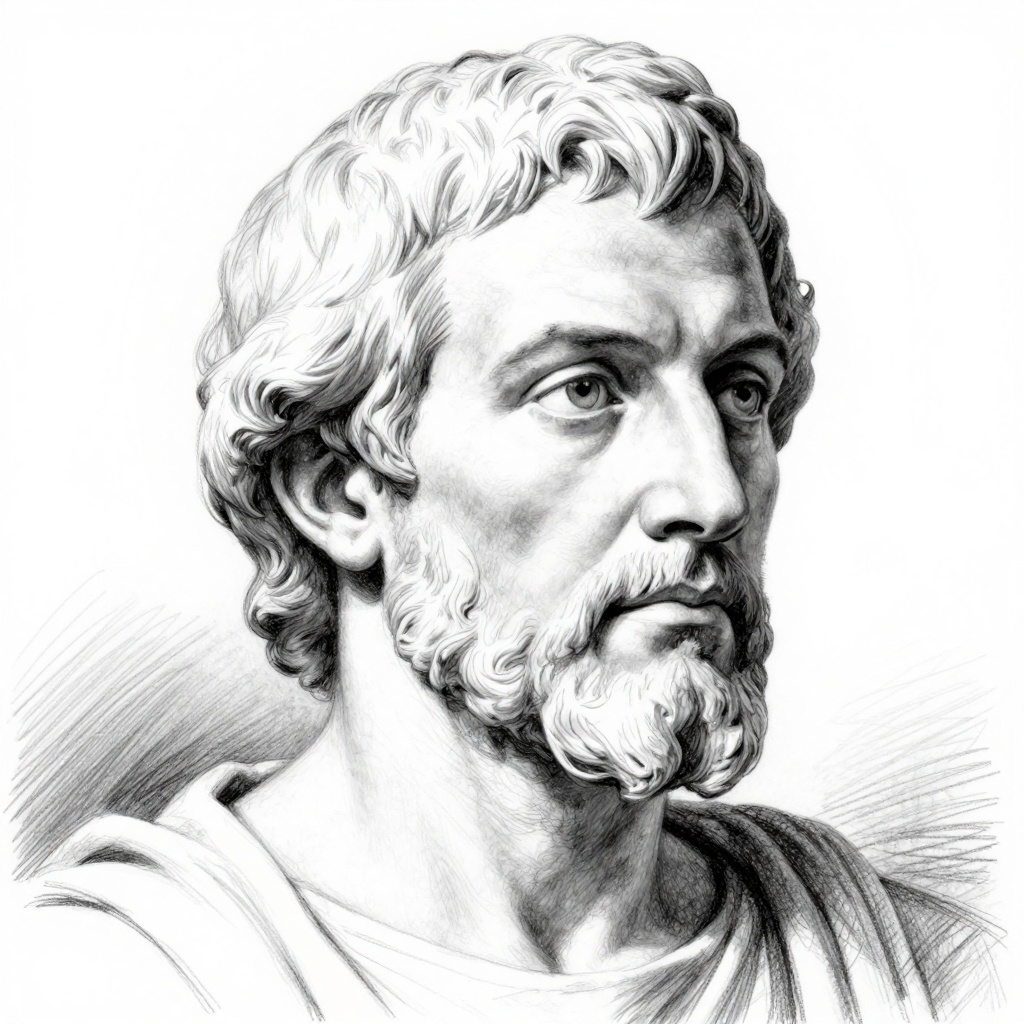
Comments