Quote · Added 14 February 2026
To make no mistakes is not in the power of man; but from their errors and mistakes the wise and good learn wisdom for the future.
PlutarchMoralia, On Listening to Lectures, 2000
No ratings yet
Quote · Added 14 February 2026
We live in a culture that treats mistakes like character flaws. One wrong email, one missed deadline, one bad decision, and people spiral into shame—as if error is something that happens to careless people rather than thinking people. But Plutarch catches something we actually know but forget: mistakes are how the human mind works. You can't think without sometimes thinking wrong.
The real split isn't between people who mess up and people who don't. It's between people who let mistakes calcify into regret and people who treat them like information. The wisdom part takes actual work though—it means sitting with what went wrong instead of rushing past it, asking what the mistake was trying to teach you. A missed opportunity reveals what you actually value. A social misstep shows you something about how others perceive you. An error in judgment teaches you about your own blind spots.
What's slightly stranger is that the people who claim to make fewer mistakes often learn slower. They're either being dishonest about their stumbles or they're so afraid of error that they never push into uncertain territory where real learning happens. Growth and mistakes aren't opposites. They're practically the same thing.
d. 120
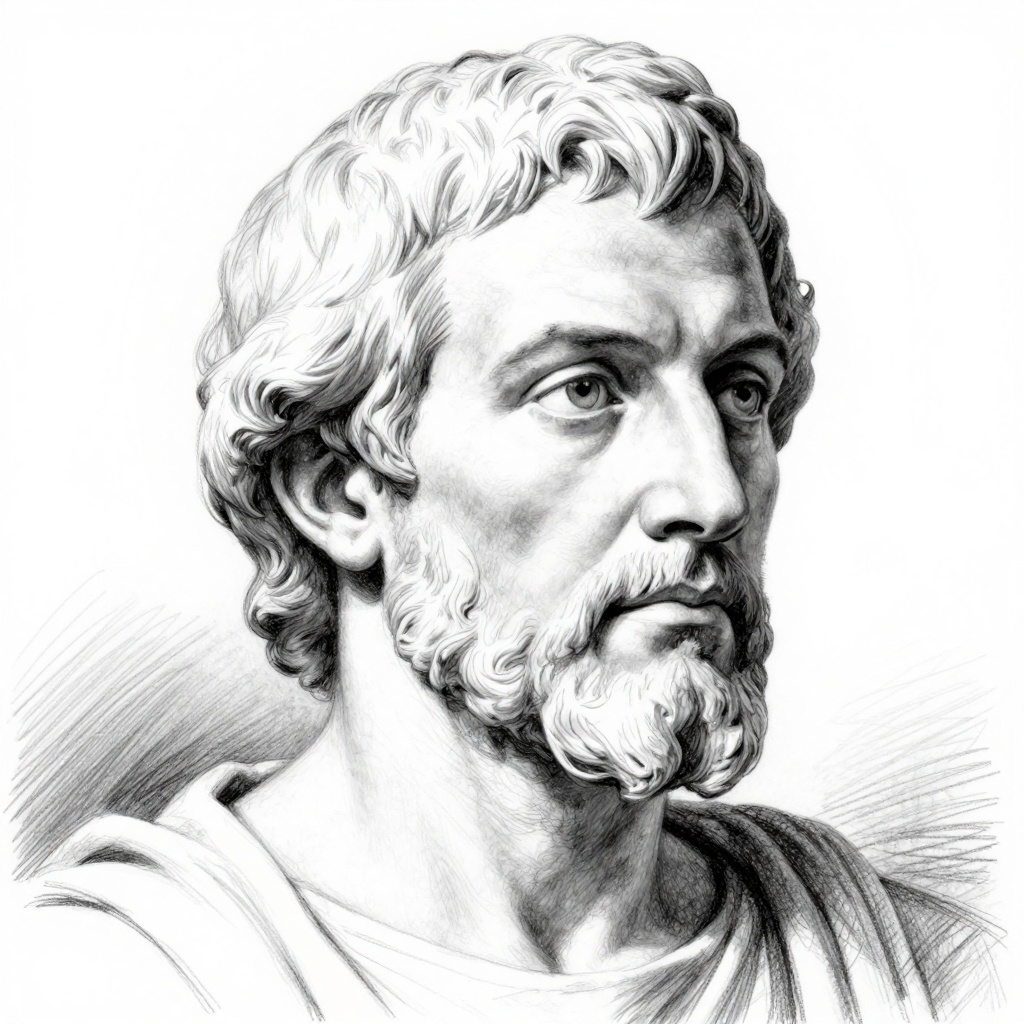
Plutarch was a Greek biographer and essayist who lived during the 1st and 2nd centuries AD. He is best known for his work "Parallel Lives," a series of biographies comparing notable figures from Greek and Roman history. Plutarch's writings have had a lasting impact on Western literature and are considered valuable sources for understanding ancient history.
Comments