Quote · Added 14 February 2026
The mind is not a vessel to be filled but a fire to be kindled.
PlutarchMorals [Moralia], On Listening to Lectures
No ratings yet
Filed undermind·learning·inspiration
Quote · Added 14 February 2026
Filed undermind·learning·inspiration
We spend a lot of time treating our brains like storage units—cramming in facts, dates, techniques, trying to make room for one more piece of information. But this quote points to something we actually experience all the time: the difference between memorizing something and actually understanding it. You can sit through a lecture and retain nothing, or hear one thing that makes you suddenly see everything differently. The spark matters more than the stuff.
This becomes obvious when you're teaching someone, or learning something genuinely hard. The real breakthrough rarely comes from being given the answer. It comes from being asked the right question, or from struggling with a problem long enough that something clicks. A good teacher isn't a human Wikipedia—they're someone who knows how to light up your curiosity, how to make you think rather than just swallow.
The practical twist here is that this flips what a lot of us do with self-improvement. We download apps, buy courses, collect information like we're building a library. But real growth comes from engagement, from wrestling with ideas, from being genuinely curious rather than just consuming. The fire—your actual thinking, questioning, wondering—is what transforms everything else into something that matters.
d. 120
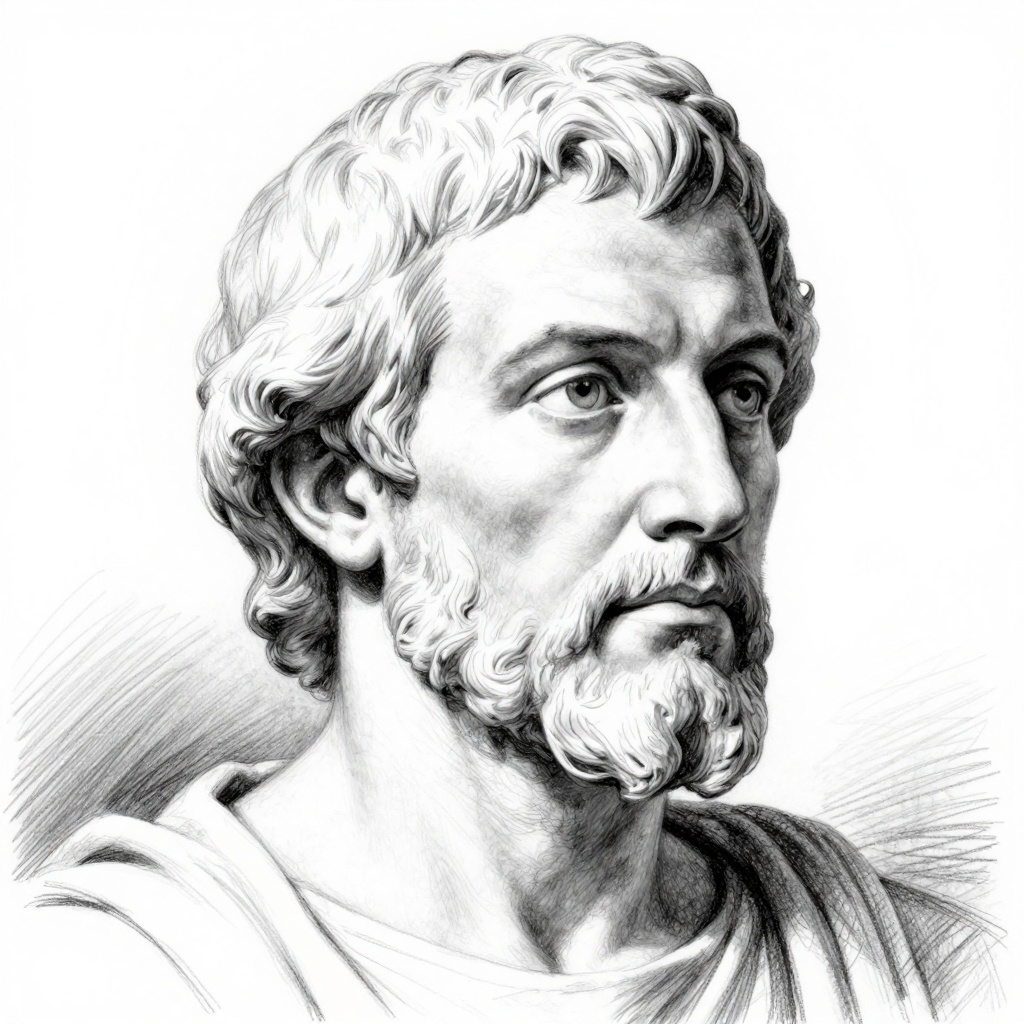
Plutarch was a Greek biographer and essayist who lived during the 1st and 2nd centuries AD. He is best known for his work "Parallel Lives," a series of biographies comparing notable figures from Greek and Roman history. Plutarch's writings have had a lasting impact on Western literature and are considered valuable sources for understanding ancient history.
Comments