Quote · Added 14 February 2026
Reading
AI generatedWho really shapes what kids believe
This quote reflects a real tension that hasn't disappeared—who shapes what kids believe, and how much say parents get in that process. Bryan was arguing that public funding creates a kind of trust: if taxpayers are paying, their values shouldn't be actively undermined. It's a concern that still drives school board fights today, whether about religion, science, politics, or sexuality.
But here's where it gets complicated. Most teachers aren't trying to convert anyone away from anything—they're trying to teach biology or history. The assumption that education automatically "robs" faith treats learning and belief as enemies in a zero-sum game. Yet plenty of people hold both scientific understanding and religious conviction without seeing one as a theft of the other. The real friction isn't usually between facts and faith, but between specific interpretations of what facts mean.
The deeper issue Bryan's raising is still valid though: schools do shape how kids think, and parents reasonably care about that. The question isn't whether values matter in education—they always do. It's whether learning to think critically, ask questions, and sit with uncertainty is the same thing as losing your way. For most people, it's not. But that distinction gets lost in arguments that frame doubt itself as a kind of attack.
The author
All 3 quotes by William Jennings Bryan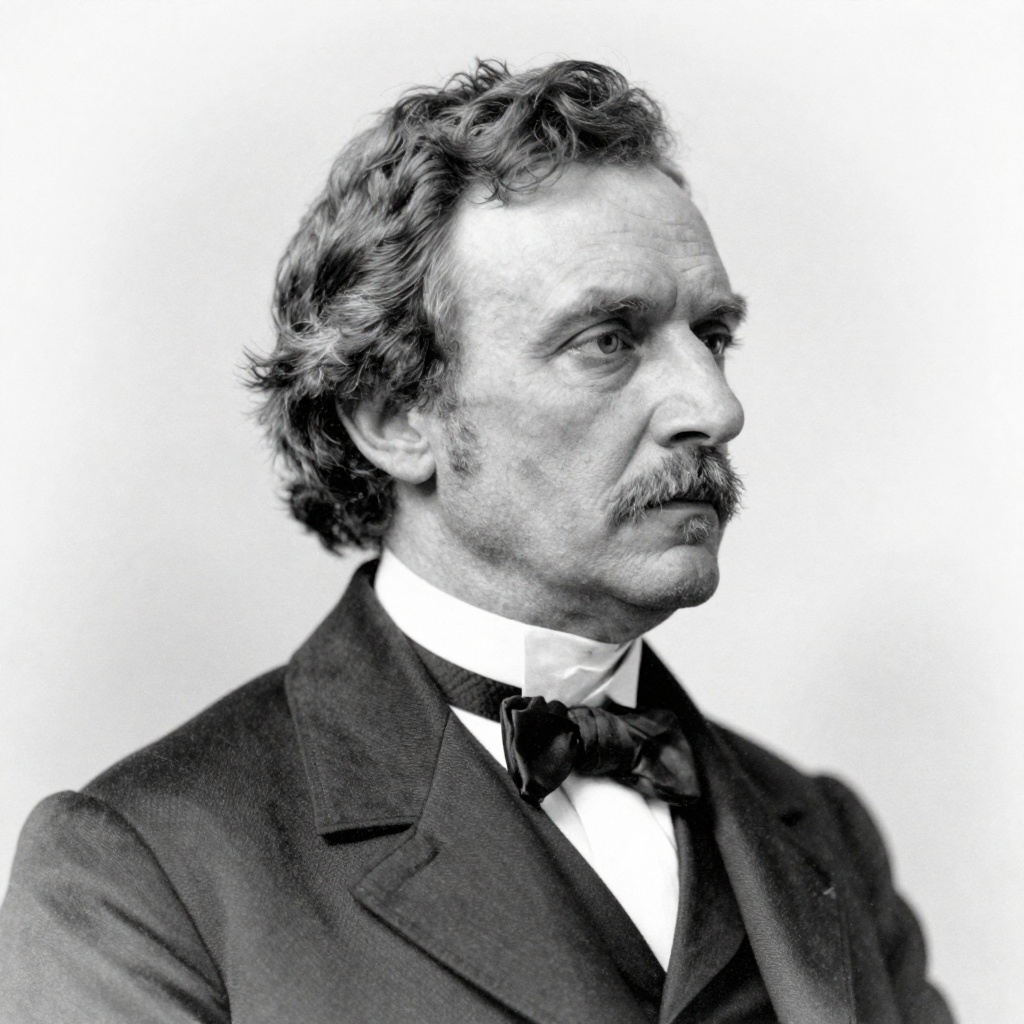
William Jennings Bryan
1860–1925·lived 65 years
William Jennings Bryan (1860-1925) was an American orator, politician, and three-time Democratic presidential candidate known for his advocacy of populism and progressivism. He gained national prominence with his "Cross of Gold" speech in 1896, which emphasized the silver standard and the needs of the common people. Bryan also served as Secretary of State under President Woodrow Wilson and was an influential figure in the early 20th-century American political landscape.
Also by William Jennings Bryan
No one can earn a million dollars honestly.
Comments