Quote · Added 19 February 2026
Reading
AI generatedHonest work and serious wealth play different games
There's something bracing about Bryan's bluntness here, even if you don't buy the economics. He's poking at something real: the gap between what we say wealth requires and what actually happens. The idea that honest work alone—no matter how skilled or valuable—can't compound that fast still stings because part of us suspects it's true. Most people work their entire lives and never approach a million dollars, not because they're lazy or dishonest, but because the math doesn't work that way.
What's interesting now is that Bryan was partly describing a different economy than ours. He lived in an era of stark inequality where capital truly ruled and wage-earners couldn't break through. Today we have different mechanisms: tech founders, real estate leverage, inherited wealth, market timing, or yes, various shady dealings. Some millionaires genuinely innovated or took calculated risks. But Bryan's real point wasn't about the specific number—it was about recognizing that "honest work" and "serious wealth" often operate by different rules. That tension hasn't disappeared; it's just wearing new clothes.
The value isn't accepting his cynicism wholesale, but rather staying clear-eyed about what actually builds wealth versus what the self-help industry tells us.
The author
All 3 quotes by William Jennings Bryan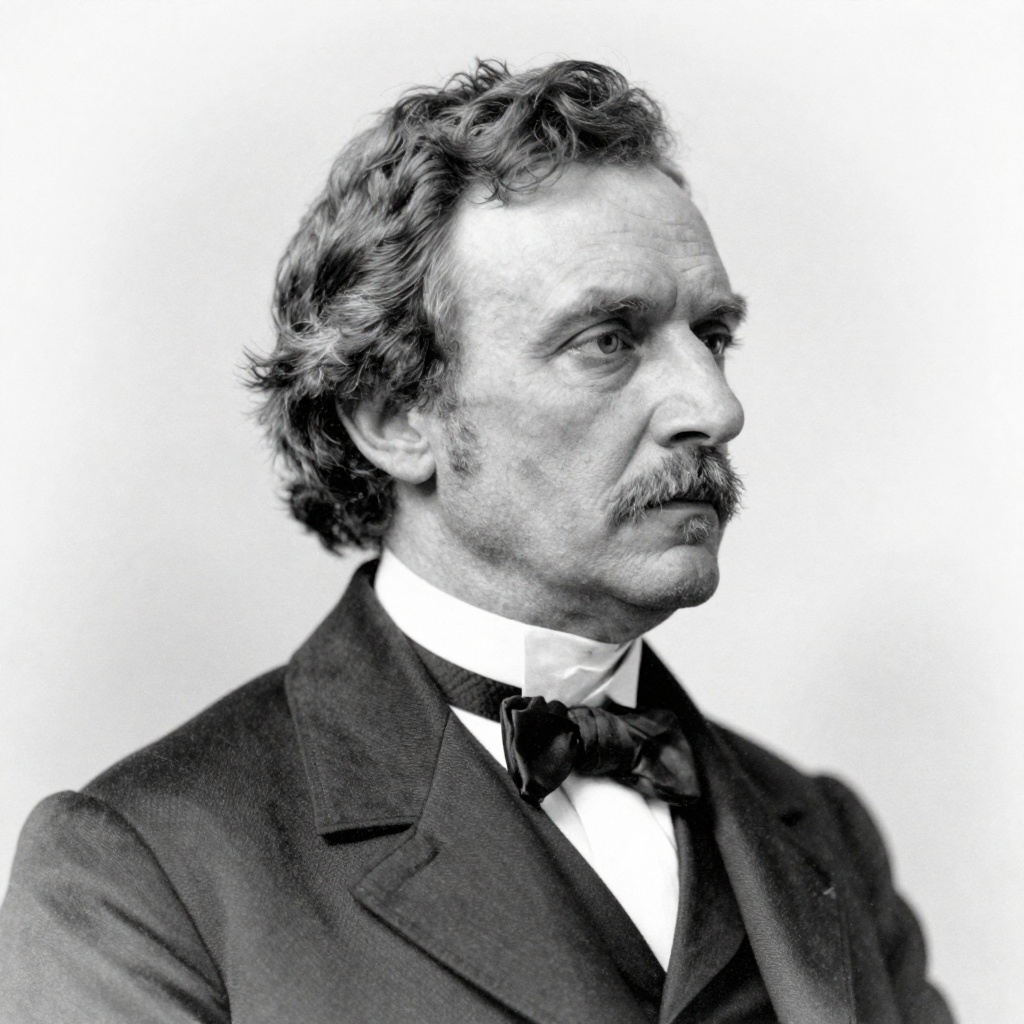
William Jennings Bryan
1860–1925·lived 65 years
William Jennings Bryan (1860-1925) was an American orator, politician, and three-time Democratic presidential candidate known for his advocacy of populism and progressivism. He gained national prominence with his "Cross of Gold" speech in 1896, which emphasized the silver standard and the needs of the common people. Bryan also served as Secretary of State under President Woodrow Wilson and was an influential figure in the early 20th-century American political landscape.
Also by William Jennings Bryan
Destiny is no matter of chance. It is a matter of choice. It is not a thing to be waited f...
Comments