Quote · Added 15 February 2026
Destiny is no matter of chance. It is a matter of choice. It is not a thing to be waited for, it is a thing to be achieved.
Filed underdestiny·choice·achievement
Quote · Added 15 February 2026
Filed underdestiny·choice·achievement
There's a comforting lie we tell ourselves: that life just happens to us, that the right path will reveal itself, that someday things will click into place. But anyone who's actually watched their life unfold knows better. The gap between where you are and where you want to be doesn't close itself. It closes through a thousand small decisions—showing up to practice, having the hard conversation, choosing the unfamiliar option, saying no to what's easy.
The tricky part is that this doesn't mean forcing outcomes through pure willpower. Destiny as a "thing to be achieved" isn't about grinding yourself into the ground. It's more like steering a boat. You can't control the wind or currents, but you absolutely control the direction you point. You choose what skills to build, who to spend time with, which fears are worth pushing through. These choices compound in ways that eventually look a lot like luck to people watching from the outside.
The relief in this idea is that you're not powerless, waiting for permission or the perfect moment. But the weight is real too: you own more of what happens next than feels comfortable to admit. That's why people often prefer the comfortable lie.
1860–1925·lived 65 years
William Jennings Bryan (1860-1925) was an American orator, politician, and three-time Democratic presidential candidate known for his advocacy of populism and progressivism. He gained national prominence with his "Cross of Gold" speech in 1896, which emphasized the silver standard and the needs of the common people. Bryan also served as Secretary of State under President Woodrow Wilson and was an influential figure in the early 20th-century American political landscape.
Also by William Jennings Bryan
No one can earn a million dollars honestly.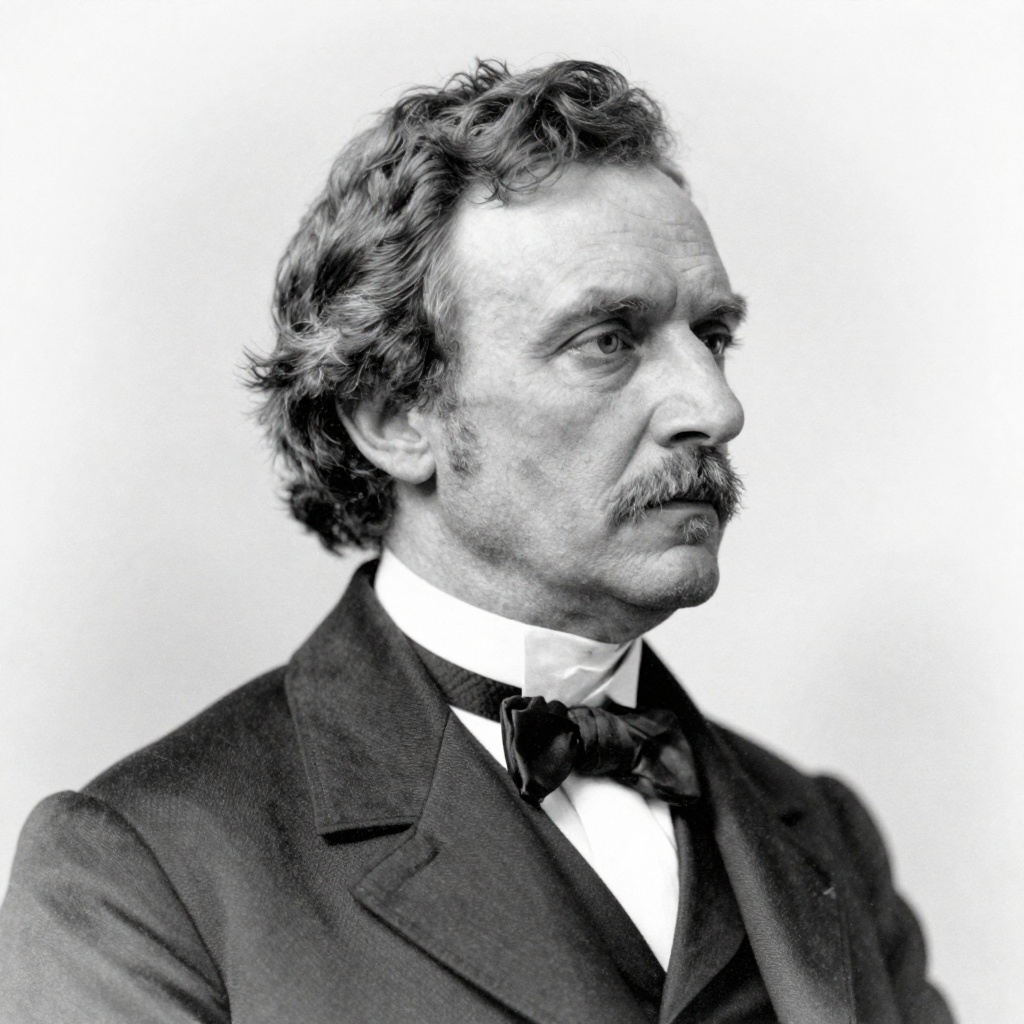
Comments