Quote · Added 19 February 2026
Reading
AI generatedWhen love becomes its own fury
There's a reason this line has survived over three centuries—it captures something true about betrayal that we all recognize, even if the gendered framing feels dated. When someone we've trusted deeply turns against us, the emotional whiplash is real. The closer the bond, the sharper the reversal. It's not just anger; it's the specific sting of intimacy weaponized.
But here's where most people misread it: the quote isn't really about women being uniquely vengeful. It's about what happens when love flips. The intensity comes from the inversion itself. A stranger's cruelty stings. A loved one's rejection devastates. Either gender knows this feeling—the way affection can curdle into something unrecognizable, the urge to make someone feel what you're feeling. It's why betrayal by a friend cuts deeper than rudeness from an acquaintance.
The harder part is recognizing this impulse in ourselves before we act on it. Most of us have felt that flash of wanting to hurt someone who hurt us, to prove they were wrong to dismiss us. The quote endures because it names something we'd rather not admit: that passion and fury aren't opposites. They're often the same fire, just burning in a different direction.
The author
All 4 quotes by William Congreve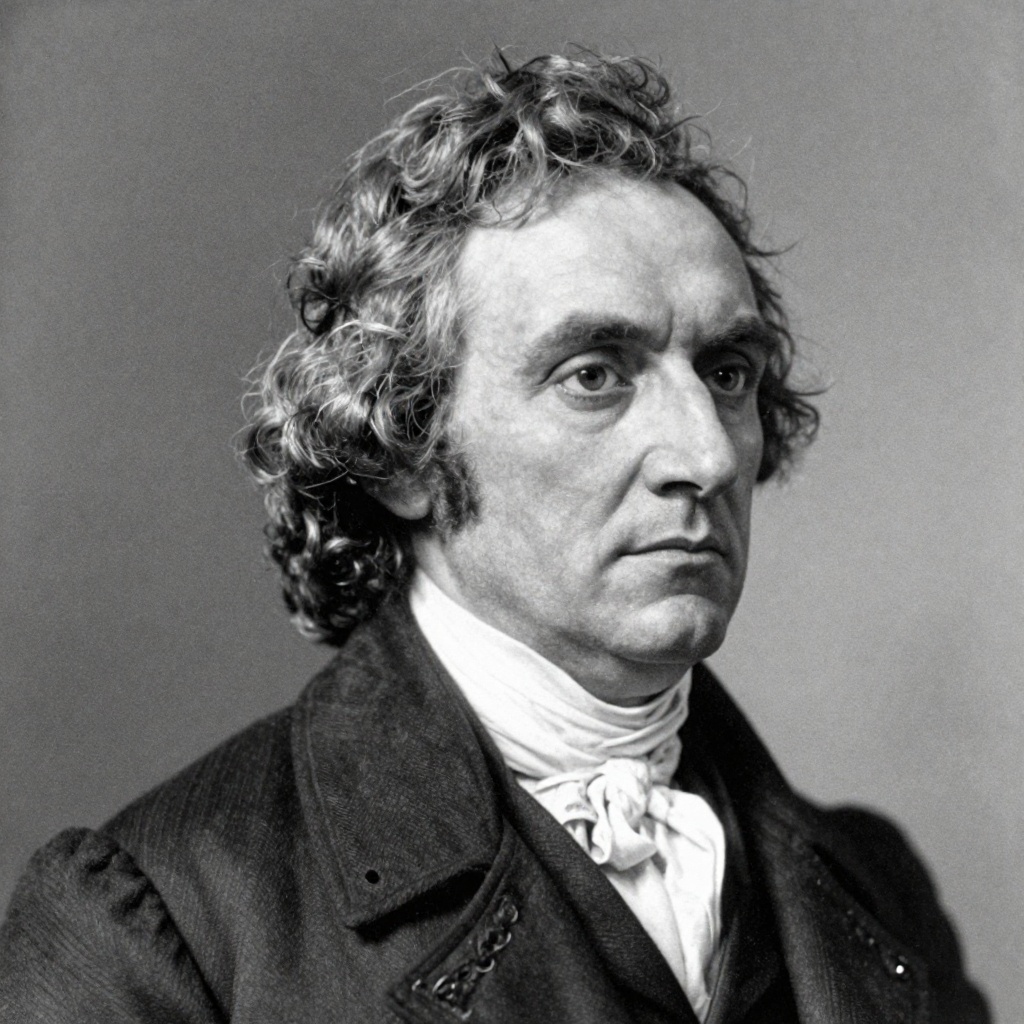
William Congreve
1670–1729·lived 59 years
William Congreve was an English playwright and poet born in 1670, renowned for his sharp wit and contributions to the comedy of manners genre. His most famous works include "The Way of the World" and "The Old Bachelor," which highlight social satire and complex characters. Congreve's writing significantly influenced English theatre and solidified his reputation as one of the leading dramatists of the late 17th century.
Also by William Congreve
Hell has no fury like a woman scorned.
Comments