Quote · Added 14 February 2026
He who closes his ears to the views of others shows little confidence in the integrity of his own views.
Filed underears·confidence·integrity
Quote · Added 14 February 2026
Filed underears·confidence·integrity
Most of us think we're open-minded. We nod along in conversations, we ask questions, we don't shout people down. But there's a quieter, more insidious form of closed-mindedness: the habit of simply not really listening. We're already composing our response, waiting for our turn, or mentally filing away what someone says as "wrong" before they've finished speaking. Congreve's point cuts deeper than just politeness—he's saying that when we refuse to genuinely engage with opposing views, we're actually revealing something about ourselves. We're admitting, without words, that our own thinking might not hold up under real scrutiny.
The tricky part is that people who are genuinely confident in their ideas actually want the pushback. They ask "why do you see it that way?" not to win an argument, but because they understand that untested beliefs are fragile beliefs. When you stop listening to others, you're not protecting your worldview—you're quietly admitting it needs protection. It's the people comfortable in their uncertainty who ask the most questions.
1670–1729·lived 59 years
William Congreve was an English playwright and poet born in 1670, renowned for his sharp wit and contributions to the comedy of manners genre. His most famous works include "The Way of the World" and "The Old Bachelor," which highlight social satire and complex characters. Congreve's writing significantly influenced English theatre and solidified his reputation as one of the leading dramatists of the late 17th century.
Also by William Congreve
Heav'n hath no rage like love to hatred turn'd, Nor Hell a fury, like a woman scorn'd.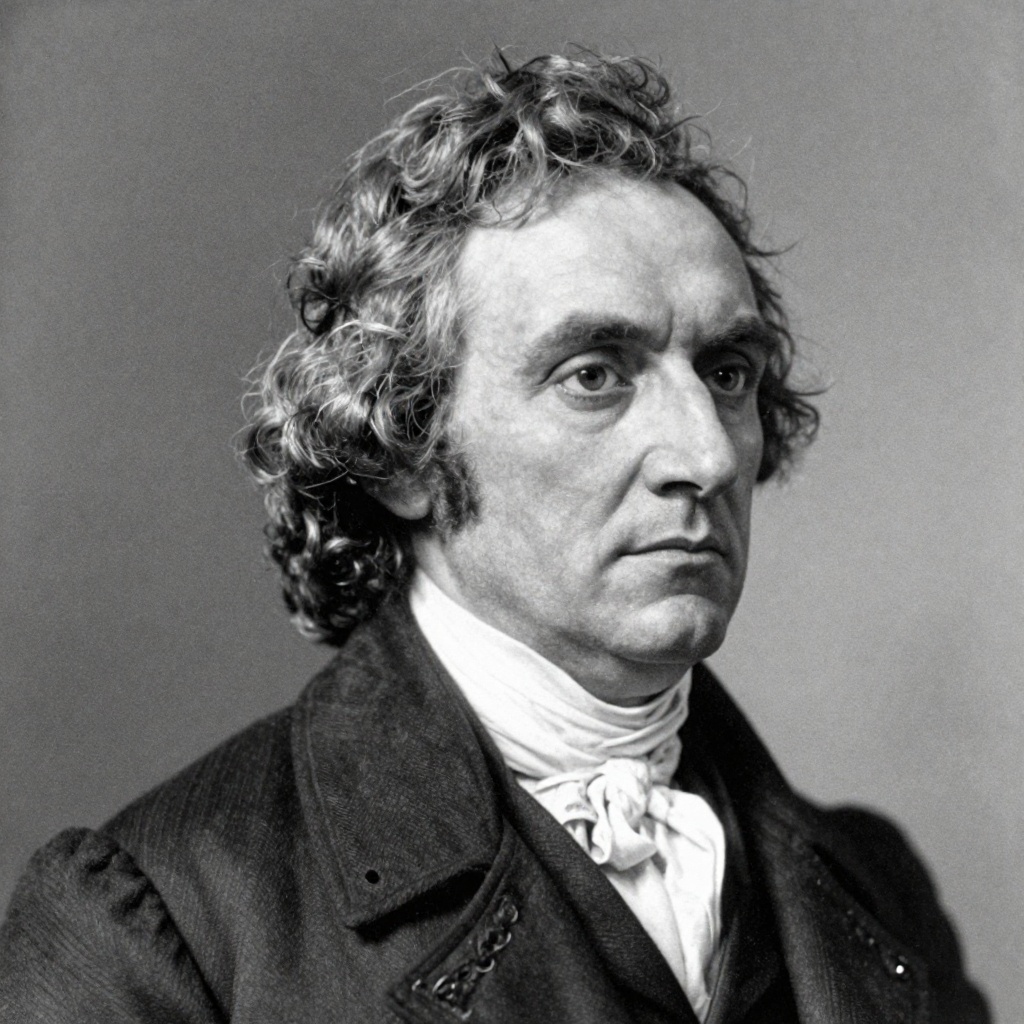
Comments