Quote · Added 16 February 2026
Reading
AI generatedBetrayal hits harder than the gender
This line gets quoted whenever someone's been hurt and strikes back, but there's something worth noticing: it's often used to dismiss women's anger as irrational or dangerous, when really it's just naming something true about betrayal itself. When someone—any someone—feels deliberately hurt by someone they trusted, the reaction can be fierce. The sting isn't just about losing the relationship; it's about feeling fooled.
What makes this particular about women is historical. For centuries, women had fewer outlets for their anger and fewer ways to be taken seriously when wronged. A man could leave; a woman often couldn't. A man could move on; a woman's reputation was destroyed. So yes, when finally given a chance to respond, that anger had nowhere to go but out. The quote stuck because it captured something real about powerlessness finally breaking.
Today we're less likely to be genuinely shocked by an angry woman, but we still subtly treat her reaction as the problem rather than what caused it. The real insight isn't that scorned women are uniquely vengeful. It's that humans of any kind, when deeply betrayed, can surprise you with their intensity. The fury isn't the mystery—it's why we keep expecting it not to happen.
The author
All 4 quotes by William Congreve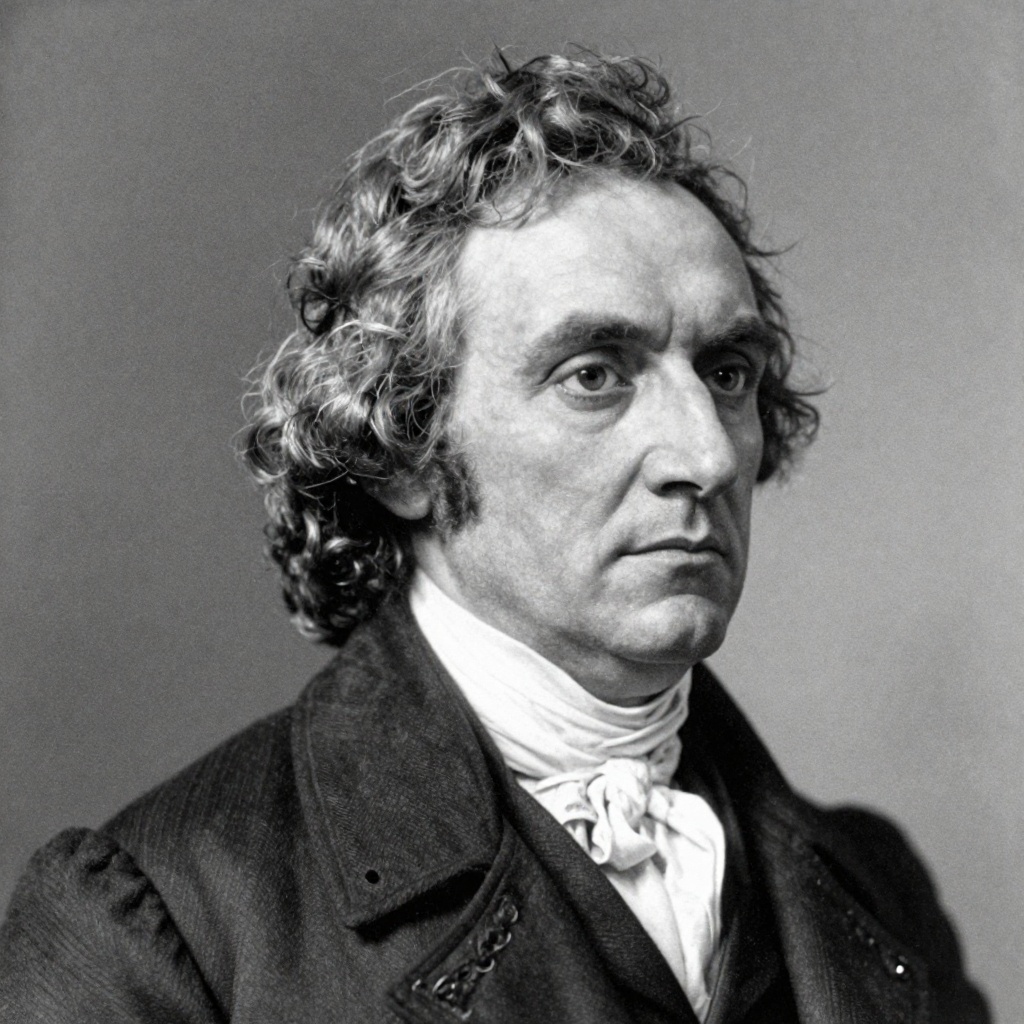
William Congreve
1670–1729·lived 59 years
William Congreve was an English playwright and poet born in 1670, renowned for his sharp wit and contributions to the comedy of manners genre. His most famous works include "The Way of the World" and "The Old Bachelor," which highlight social satire and complex characters. Congreve's writing significantly influenced English theatre and solidified his reputation as one of the leading dramatists of the late 17th century.
Also by William Congreve
Heav'n hath no rage like love to hatred turn'd, Nor Hell a fury, like a woman scorn'd.
Comments