Quote · Added 14 February 2026
Music has charms to sooth a savage breast, to soften rocks, or bend a knotted oak.
William CongreveThe Mourning Bride, Act I, 1697
Quote · Added 14 February 2026
There's something almost magical about how a song can shift your entire mood in seconds—dissolve anger you've been carrying, or turn a lonely afternoon into something bearable. Congreve understood this in the 1600s, but we live it constantly now. That playlist you put on when you're furious, the melody that makes you cry happy tears, the beat that gets your body moving before your mind catches up—music reaches us in places logic can't touch.
What's interesting is that he's not exaggerating. The "savage breast" softening isn't flowery language—it's describing something neurologically real. Music bypasses our rational defenses. You can't argue with a song the way you can argue with words. A difficult emotion that feels immovable, like a knotted oak, suddenly becomes flexible when the right chord hits. This is why people instinctively turn to music in crisis, grief, or celebration. It's not a luxury or an escape; it's one of the few tools we have that can meet intense feeling without needing to understand it first.
The slight twist here: we often think of music as entertainment, something nice to have. But Congreve's metaphor suggests it's closer to essential—a force that literally changes what feels impossible into something workable.
1670–1729·lived 59 years
William Congreve was an English playwright and poet born in 1670, renowned for his sharp wit and contributions to the comedy of manners genre. His most famous works include "The Way of the World" and "The Old Bachelor," which highlight social satire and complex characters. Congreve's writing significantly influenced English theatre and solidified his reputation as one of the leading dramatists of the late 17th century.
Also by William Congreve
Heav'n hath no rage like love to hatred turn'd, Nor Hell a fury, like a woman scorn'd.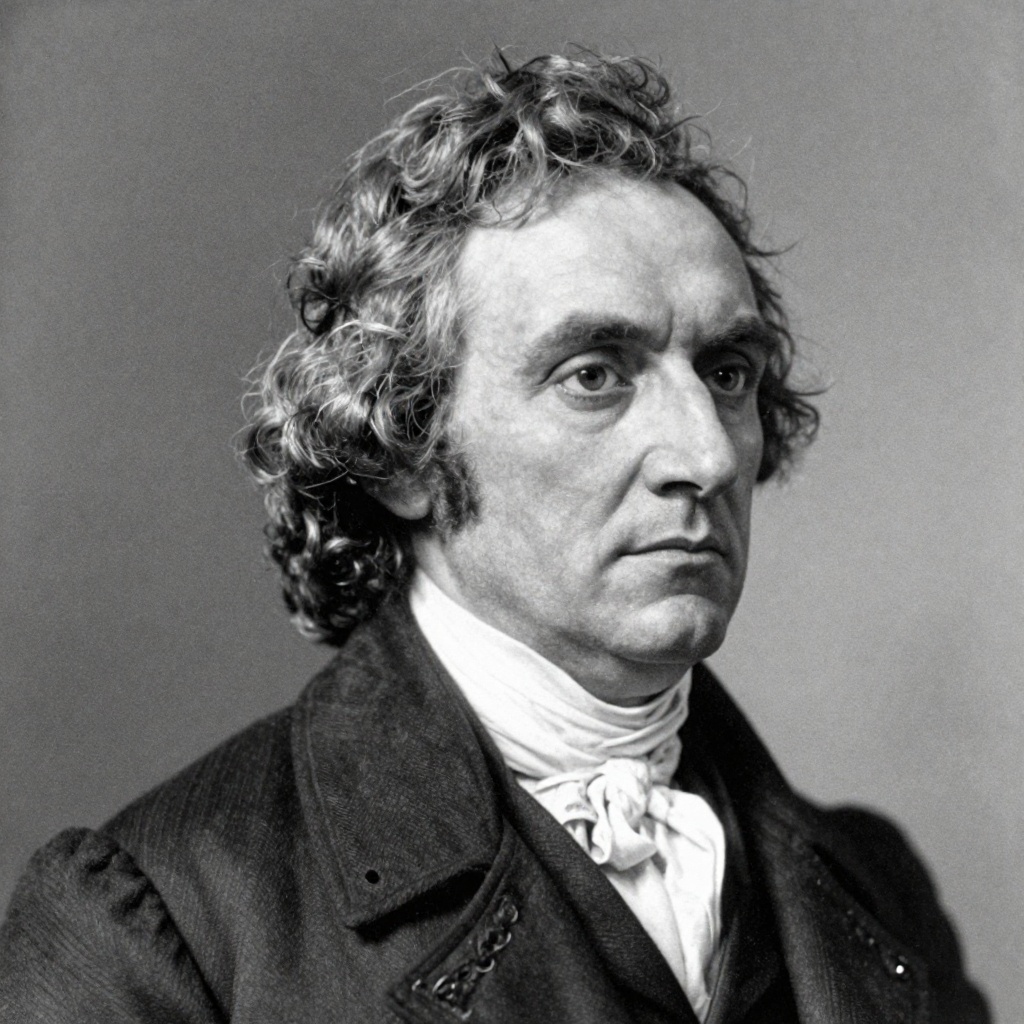
Comments