Quote · Added 15 February 2026
What though youth gave love and roses, Age still leaves us friends and wine.
Thomas MooreSpring and Autumn, st. 1, 1815
No ratings yet
Filed underfriendship·aging·love
Quote · Added 15 February 2026
Filed underfriendship·aging·love
There's something quietly radical about this line: the assumption that life actually gets better in certain ways, even as it takes things away. We're so trained to see aging as pure loss—fewer parties, less energy, wrinkles where smoothness was—that we miss what actually accumulates. The friendships that survive into your later years aren't accidents. They're the ones that weathered real disagreement, boredom, distance, and still chose to show up.
The shift from "love and roses" to "friends and wine" matters too. Youth romance is intoxicating but often self-focused; you're in love with how someone makes you feel. The friendships and simple pleasures of later life require something steadier—genuine curiosity about another person, comfort with silence, the ability to laugh at yourself. Wine doesn't glow or excite like roses do, but it deepens with age. It has history and complexity.
The real insight here is that we're comparing different kinds of richness, not settling for less. A forty-year friendship that includes honest disagreement and shared survival isn't a consolation prize. It's arguably more valuable than the intoxication of youth, even if it doesn't feel as urgent. The question becomes: what kind of abundance actually lasts?
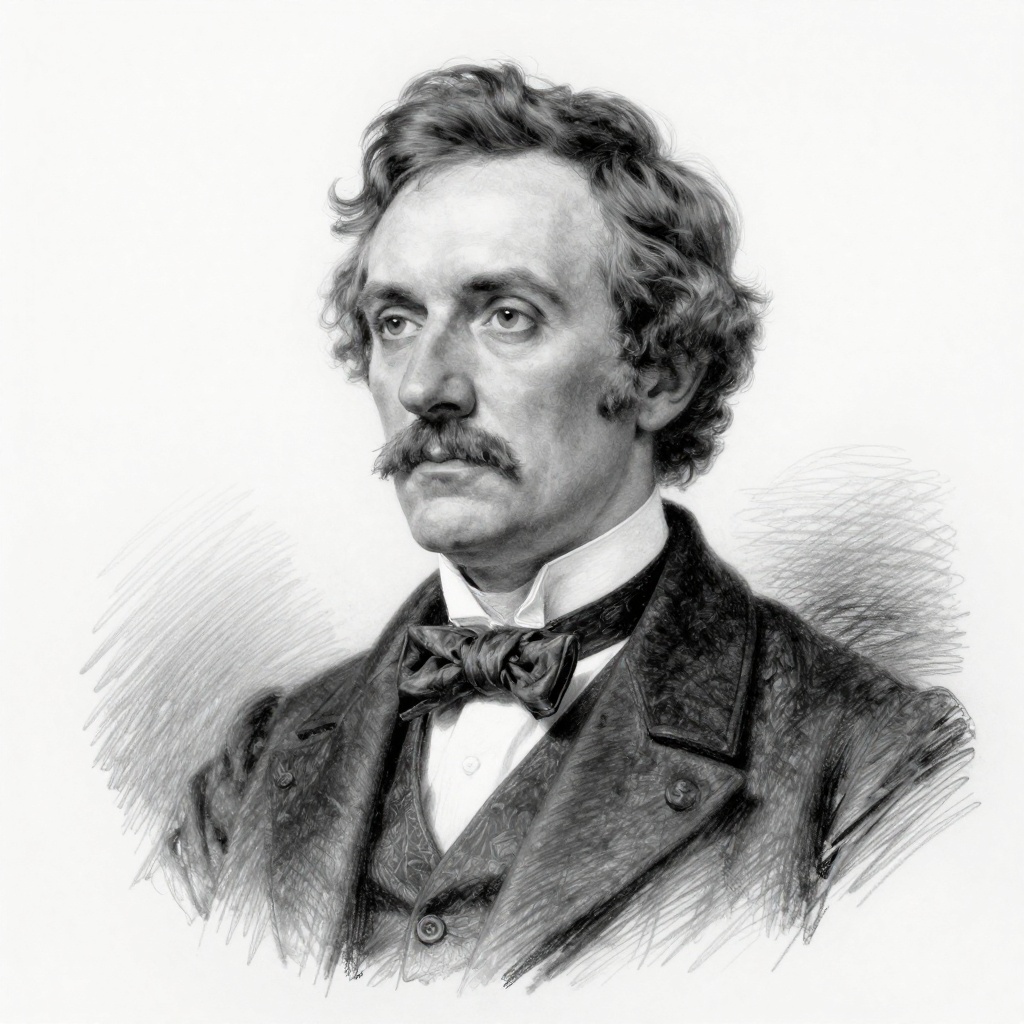
1779–1852·lived 72 years
Thomas Moore (1779-1852) was an Irish poet, singer, and songwriter, renowned for his lyrical verse and his role in popularizing Irish folk music. He is best known for works such as "The Minstrel Boy" and "The Meeting of the Waters," as well as for his biographies of notable figures, including "The Life of Lord Byron." Moore's writings are celebrated for their nationalistic themes and their contributions to the Romantic movement in literature.
Comments