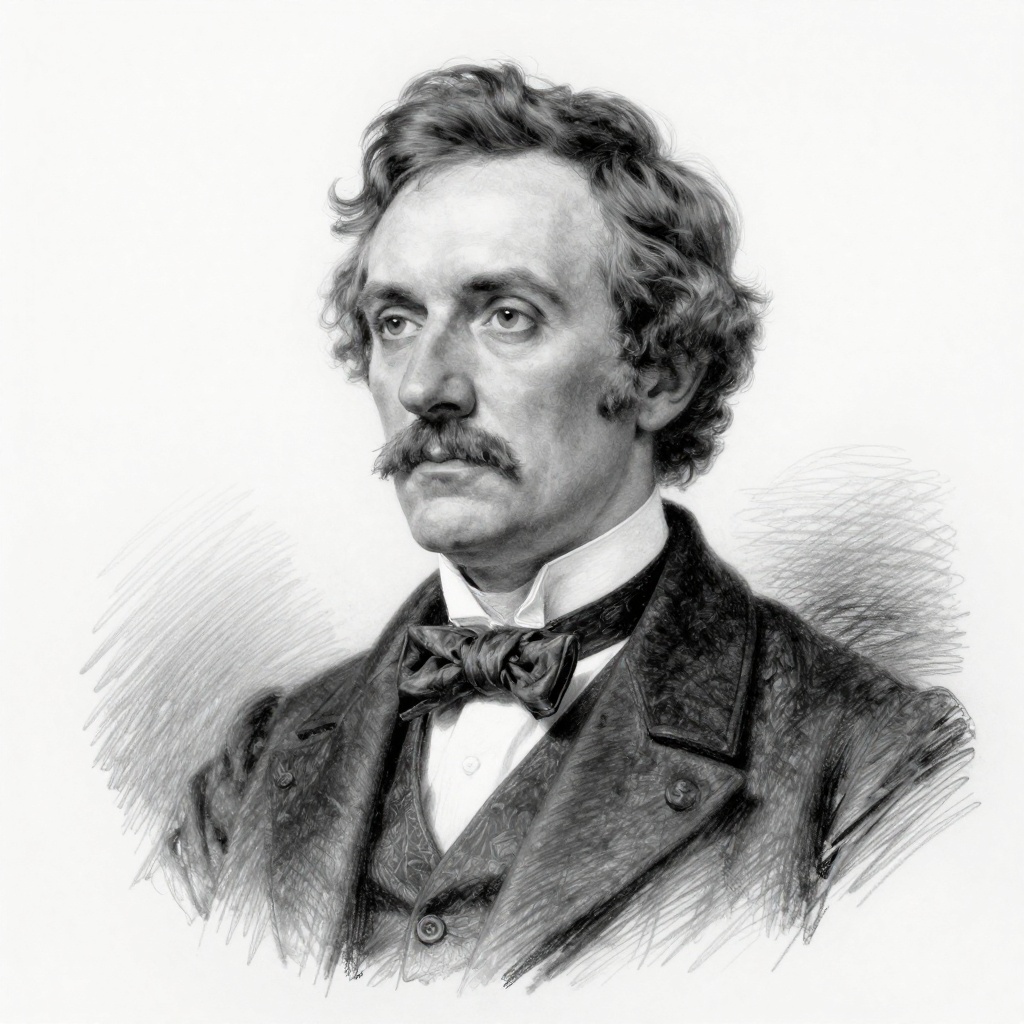
From plants that wake when others sleep, from timid jasmine buds that keep their odour to themselves all day,... — Thomas Moore

From plants that wake when others sleep, from timid jasmine buds that keep their odour to themselves all day, but when the sunlight dies away let the delicious secret out to every breeze that roams about.

Author: Thomas Moore

Insight: There's something oddly brave about jasmine flowers. They spend their whole day closed up, holding everything in, looking unremarkable in the bright light. Then the moment conditions change—when the sun sets and the world gets quieter—they finally open. They stop protecting themselves and release what they've been keeping close. It's a reminder that timing matters more than we usually think. Sometimes the most valuable things we have to offer aren't meant for broad daylight or crowded rooms. They're meant for the right moment, the right audience, the gentle darkness. We often feel pressure to be "on" all the time, to display our best qualities whenever anyone's watching. But Moore is pointing at something different: the power in waiting, in knowing when to hold back and when to let go. The jasmine's restraint isn't weakness or fear—it's actually what makes its fragrance matter. If it released everything constantly, no one would notice. Real presence sometimes comes from knowing that not every moment demands the same kind of openness. It's a surprisingly practical lesson about boundaries and authenticity. You don't have to give everything to everyone at every moment. Some of your sweetness, your ideas, your real self, might be most valuable precisely because you've chosen to share it with intention.

Bloom when the world gets quiet

From plants that wake when others sleep, from timid jasmine buds that keep their odour to themselves all day, but when the sunlight dies away let the delicious secret out to every breeze that roams about.

There's something oddly brave about jasmine flowers. They spend their whole day closed up, holding everything in, looking unremarkable in the bright light. Then the moment conditions change—when the sun sets and the world gets quieter—they finally open. They stop protecting themselves and release what they've been keeping close. It's a reminder that timing matters more than we usually think. Sometimes the most valuable things we have to offer aren't meant for broad daylight or crowded rooms. They're meant for the right moment, the right audience, the gentle darkness.

We often feel pressure to be "on" all the time, to display our best qualities whenever anyone's watching. But Moore is pointing at something different: the power in waiting, in knowing when to hold back and when to let go. The jasmine's restraint isn't weakness or fear—it's actually what makes its fragrance matter. If it released everything constantly, no one would notice. Real presence sometimes comes from knowing that not every moment demands the same kind of openness.

It's a surprisingly practical lesson about boundaries and authenticity. You don't have to give everything to everyone at every moment. Some of your sweetness, your ideas, your real self, might be most valuable precisely because you've chosen to share it with intention.

AI generated

Comments

Sign in to leave a comment or reply to one.

Sign in

Thomas Moore

Thomas Moore (1779-1852) was an Irish poet, singer, and songwriter, renowned for his lyrical verse and his role in popularizing Irish folk music. He is best known for works such as "The Minstrel Boy" and "The Meeting of the Waters," as well as for his biographies of notable figures, including "The Life of Lord Byron." Moore's writings are celebrated for their nationalistic themes and their contributions to the Romantic movement in literature.

Graph

Related