Quote · Added 14 February 2026
Humility, that low, sweet root, from which all heavenly virtues shoot.
Thomas MooreThe Loves of Angels, 1823
No ratings yet
Quote · Added 14 February 2026
There's something almost backwards about calling humility a root. We tend to think of it as weakness—the thing you display when you've failed, or when someone more impressive is in the room. But Moore captures something truer: humility isn't a position you take after being knocked down. It's the fertile ground from which everything else actually grows.
Think about the people you genuinely respect and want to learn from. They're usually not the ones performing confidence or guarding their image. They're the ones comfortable enough with themselves to ask real questions, admit when they don't know something, and actually listen to what others say. That groundedness makes space for courage, generosity, honesty—the qualities that seem harder to reach without it. Someone wrapped up in protecting their ego has no energy left for anything else.
The quiet part Moore is pointing to is that humility isn't painful resignation. It's actually liberating. When you stop needing to prove something, when you accept that you don't have all the answers, you become genuinely open to growth. That openness becomes the root system, pulling in everything you need to become better. It's low, yes—but it's the difference between surface-level posturing and something that actually holds you up.
1779–1852·lived 72 years
Thomas Moore (1779-1852) was an Irish poet, singer, and songwriter, renowned for his lyrical verse and his role in popularizing Irish folk music. He is best known for works such as "The Minstrel Boy" and "The Meeting of the Waters," as well as for his biographies of notable figures, including "The Life of Lord Byron." Moore's writings are celebrated for their nationalistic themes and their contributions to the Romantic movement in literature.
Also by Thomas Moore
What though youth gave love and roses, Age still leaves us friends and wine.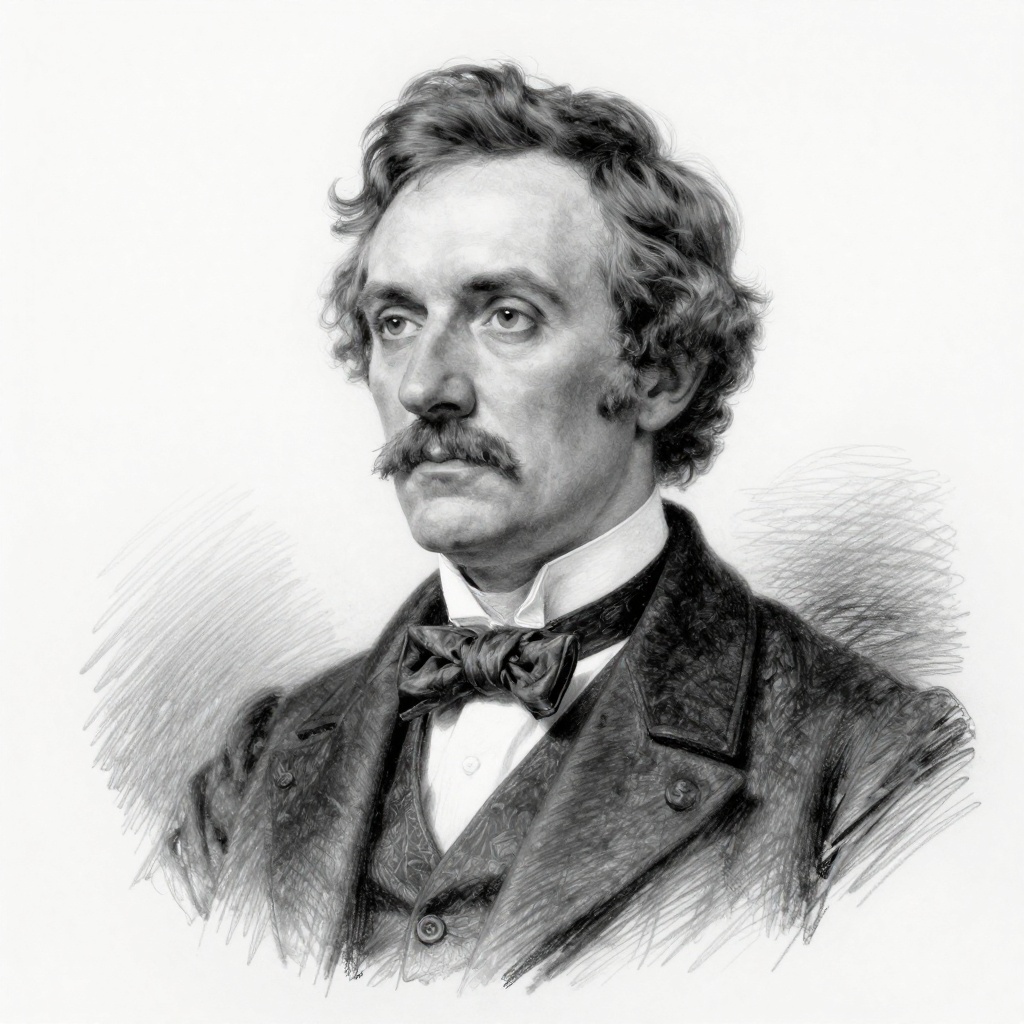
Comments