Independence I have long considered as the grand blessing of life, the basis of every virtue; and independence... — Thomas Jefferson

Independence I have long considered as the grand blessing of life, the basis of every virtue; and independence I will ever secure by contracting my wants, though I were to live on a barren heath.

Author: Thomas Jefferson

Insight: There's something almost rebellious about Jefferson's version of independence—it's not about wealth or status, but about deciding what you actually need. Most of us feel trapped by our own expectations: the apartment that costs too much, the subscriptions we forget we have, the constant pressure to upgrade and acquire. Jefferson's insight flips this. Real freedom isn't climbing higher; it's being willing to live smaller if that's what it takes to answer only to yourself. The tricky part is that contracting your wants feels countercultural now in a way it probably didn't even then. We're surrounded by people monetizing our desire to keep up. But notice what he's really saying: independence comes first, and everything else—virtue, peace of mind, actual choices about how to spend your time—flows from that. When you're not desperate to maintain a lifestyle, you're not desperate, period. You can say no to bad jobs, toxic people, and compromises that don't matter to you. The "barren heath" part might sound extreme, but it's actually the point. Jefferson wasn't advocating for deprivation; he was saying the threshold for independence is much lower than we think. You don't need a dramatic life change. Just an honest look at what you're paying for in time, money, and attention—and what you'd actually keep if you stripped it all back.
Freedom costs less than you think

Independence I have long considered as the grand blessing of life, the basis of every virtue; and independence I will ever secure by contracting my wants, though I were to live on a barren heath.

There's something almost rebellious about Jefferson's version of independence—it's not about wealth or status, but about deciding what you actually need. Most of us feel trapped by our own expectations: the apartment that costs too much, the subscriptions we forget we have, the constant pressure to upgrade and acquire. Jefferson's insight flips this. Real freedom isn't climbing higher; it's being willing to live smaller if that's what it takes to answer only to yourself.

The tricky part is that contracting your wants feels countercultural now in a way it probably didn't even then. We're surrounded by people monetizing our desire to keep up. But notice what he's really saying: independence comes first, and everything else—virtue, peace of mind, actual choices about how to spend your time—flows from that. When you're not desperate to maintain a lifestyle, you're not desperate, period. You can say no to bad jobs, toxic people, and compromises that don't matter to you.

The "barren heath" part might sound extreme, but it's actually the point. Jefferson wasn't advocating for deprivation; he was saying the threshold for independence is much lower than we think. You don't need a dramatic life change. Just an honest look at what you're paying for in time, money, and attention—and what you'd actually keep if you stripped it all back.

AI generated

Comments

Sign in to leave a comment or reply to one.

Sign in

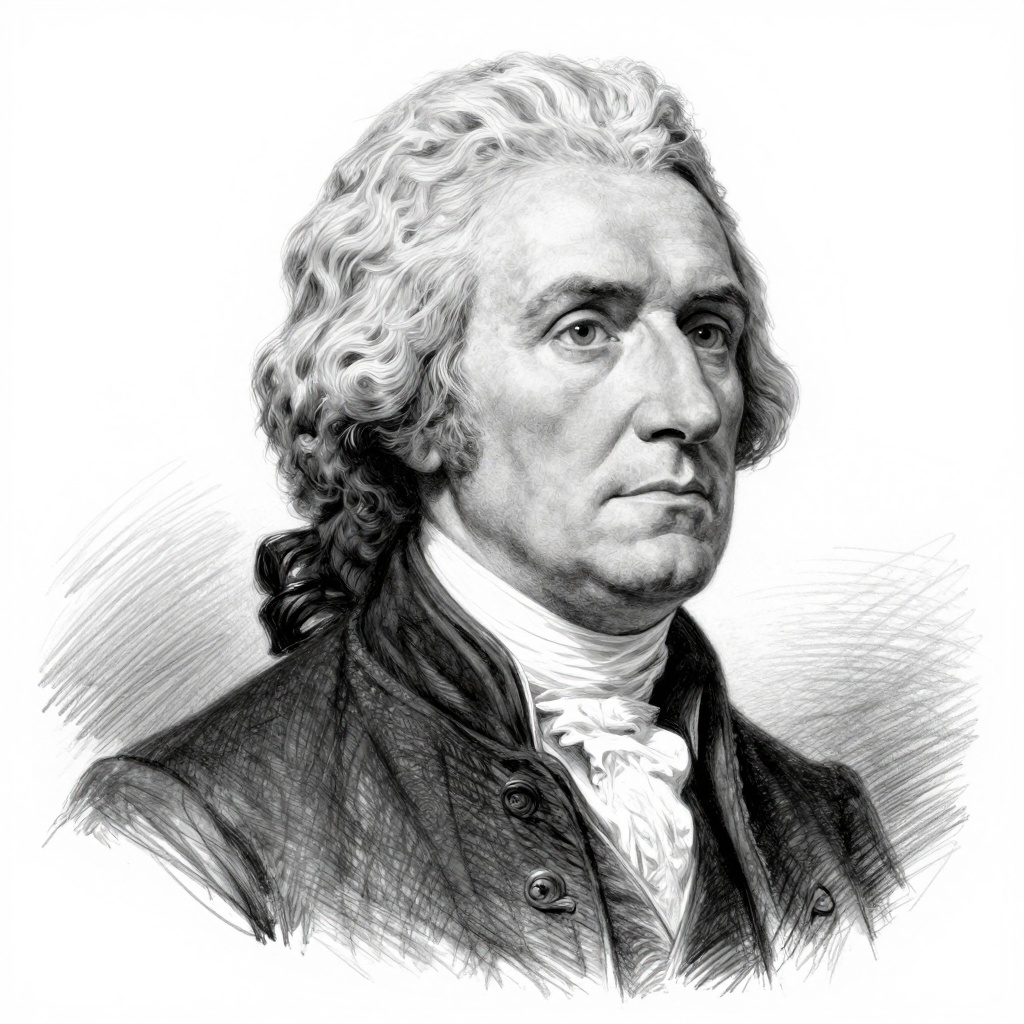
Thomas Jefferson

Thomas Jefferson was an American Founding Father who served as the third President of the United States from 1801 to 1809. He is best known for being the primary author of the Declaration of Independence and for his advocacy of democracy, republicanism, and individual rights. Jefferson also founded the University of Virginia and was a prominent architect, inventor, and philosopher.

Graph

Related