Quote · Added 12 February 2026
Reading
AI generatedNeglect Isn't Neutral, It's Active
There's something quietly brutal about this comparison. We tend to think of neglect as this passive thing—just forgetting to show up. But Jefferson's pointing out that neglect is actually active destruction. A garden doesn't stay neutral when you ignore it; it doesn't just pause and wait. It actively deteriorates, taken over by whatever grows fastest and easiest.
The same applies to people, especially kids. Parents often feel like they're doing okay as long as they're not actively harming anyone, as long as they're feeding and sheltering them. But development doesn't work that way. Without deliberate attention—conversation, boundaries, curiosity about what they're thinking—kids don't stay in some holding pattern. They get shaped by whatever influences fill the void: screens, peers, algorithms designed to be addictive. The weeds grow.
What makes this useful today is that it flips how we talk about parenting. It's not about being perfect or intensive. It's about the unsexy, unglamorous reality that you have to tend something regularly, or it will literally not be what you want it to be. Gardens and people both need the same basic thing: consistent, purposeful attention.
The author
All 33 quotes by Thomas Jefferson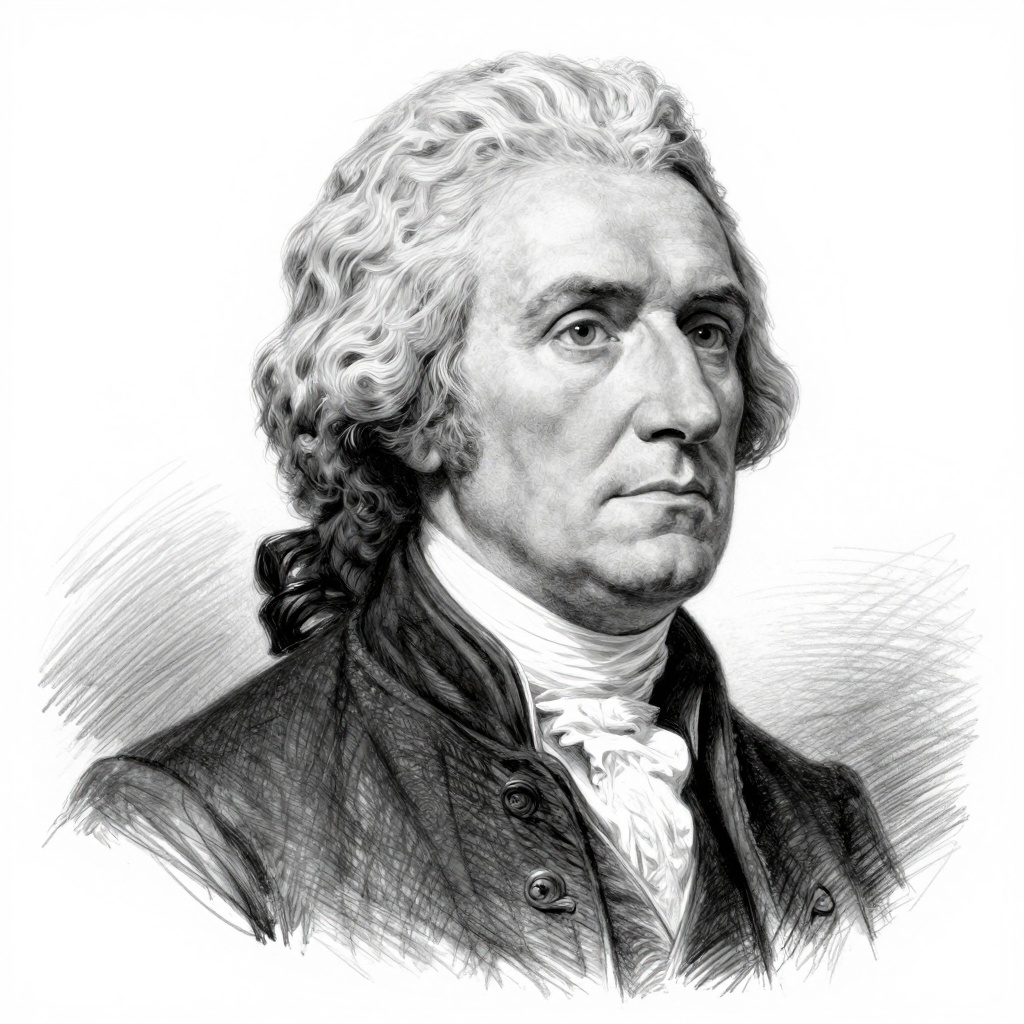
Thomas Jefferson
1743–1826·lived 83 years
Thomas Jefferson was an American Founding Father who served as the third President of the United States from 1801 to 1809. He is best known for being the primary author of the Declaration of Independence and for his advocacy of democracy, republicanism, and individual rights. Jefferson also founded the University of Virginia and was a prominent architect, inventor, and philosopher.
Also by Thomas Jefferson
I believe that every human mind feels pleasure in doing good to another.
Comments