Quote · Added 15 February 2026
A man growing old becomes a child again.
SophoclesOedipus Rex, 429 BC
No ratings yet
Quote · Added 15 February 2026
There's something counterintuitive happening in how we age that this ancient observation captures perfectly. We tend to think of aging as a one-way accumulation—more knowledge, more cynicism, more walls built up. But Sophocles noticed something different: as people get older and closer to the end, many seem to shed layers they'd carefully constructed. The urgency to appear competent, controlled, or impressive starts to matter less. The spontaneity, curiosity, and occasional vulnerability that children have? It comes back.
You might notice this in how an aging parent suddenly becomes more affectionate, or less interested in keeping up appearances. Sometimes it's gentler—a renewed wonder at small things, a willingness to be silly. Sometimes it reads as stubborn or even difficult, because that filter between inner feeling and outer expression thins. The social mask we spend adulthood perfecting eventually feels like too much effort to maintain. What's interesting is that this isn't weakness or decline—it's often a kind of freedom.
The wisdom here isn't sentimental. It's a reminder that the person you're becoming across your lifetime might not be a straight line toward rigidity. And maybe that's not something to mourn. Maybe it's worth asking: what childlike qualities are you holding so tightly to? What would loosen if you let them out earlier?
d. 406
Sophocles was an ancient Greek playwright and one of the three ancient Greek tragedians whose works have survived. Born around 496 BC in Colonus, Athens, he is best known for his plays "Oedipus Rex," "Antigone," and "Electra," which explore complex themes of fate, ethics, and human suffering. Sophocles is also notable for introducing innovations in theatrical performance, such as the use of scenery and the introduction of a third actor, which greatly influenced the development of drama.
Also by Sophocles
Heaven never helps the man who will not act.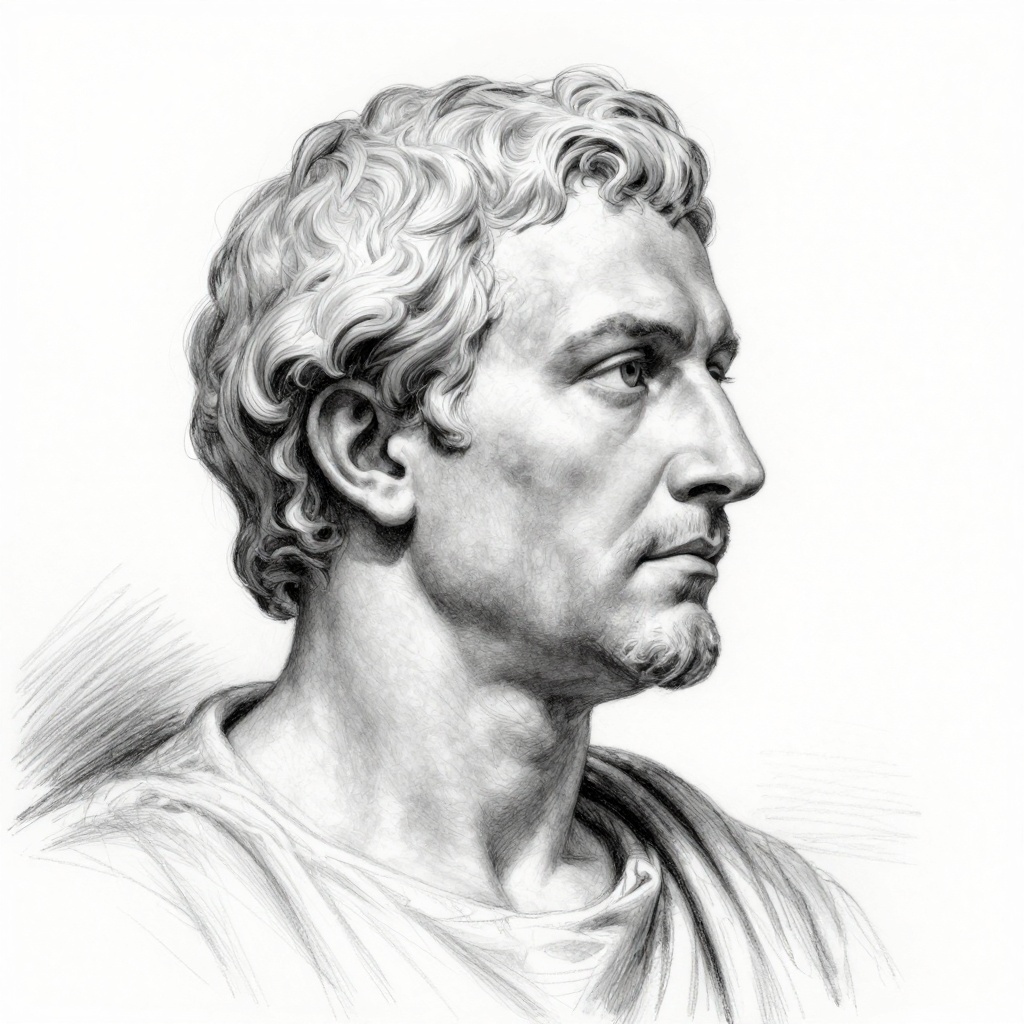
Comments