Quote · Added 15 February 2026
You should not consider a man's age but his acts.
No ratings yet
Quote · Added 15 February 2026
We live in a world obsessed with credentials and timelines. How old are you? What school did you go to? What company have you worked at? These questions come before we ever ask what someone actually knows or what they've built. But Sophocles points at something we feel when we meet someone who acts decisively, learns constantly, and gets things done—age becomes almost irrelevant.
The real insight isn't that age doesn't matter at all. It's that we've trained ourselves to use it as a shortcut for judgment, when it's often misleading. A 23-year-old who's shipped five projects and learned from real failure might deserve more trust than a 45-year-old coasting on past reputation. A new parent rethinking their career priorities might be showing more wisdom than someone "too old to change." When we judge by acts instead of years, we stop dismissing people prematurely—and we stop flattering ourselves based on time alone.
The practical version of this is simple: notice when you're making assumptions based on age, then ask yourself what the person has actually done. That shift in attention changes how you listen, hire, and learn from people around you.
d. 406
Sophocles was an ancient Greek playwright and one of the three ancient Greek tragedians whose works have survived. Born around 496 BC in Colonus, Athens, he is best known for his plays "Oedipus Rex," "Antigone," and "Electra," which explore complex themes of fate, ethics, and human suffering. Sophocles is also notable for introducing innovations in theatrical performance, such as the use of scenery and the introduction of a third actor, which greatly influenced the development of drama.
Also by Sophocles
Heaven never helps the man who will not act.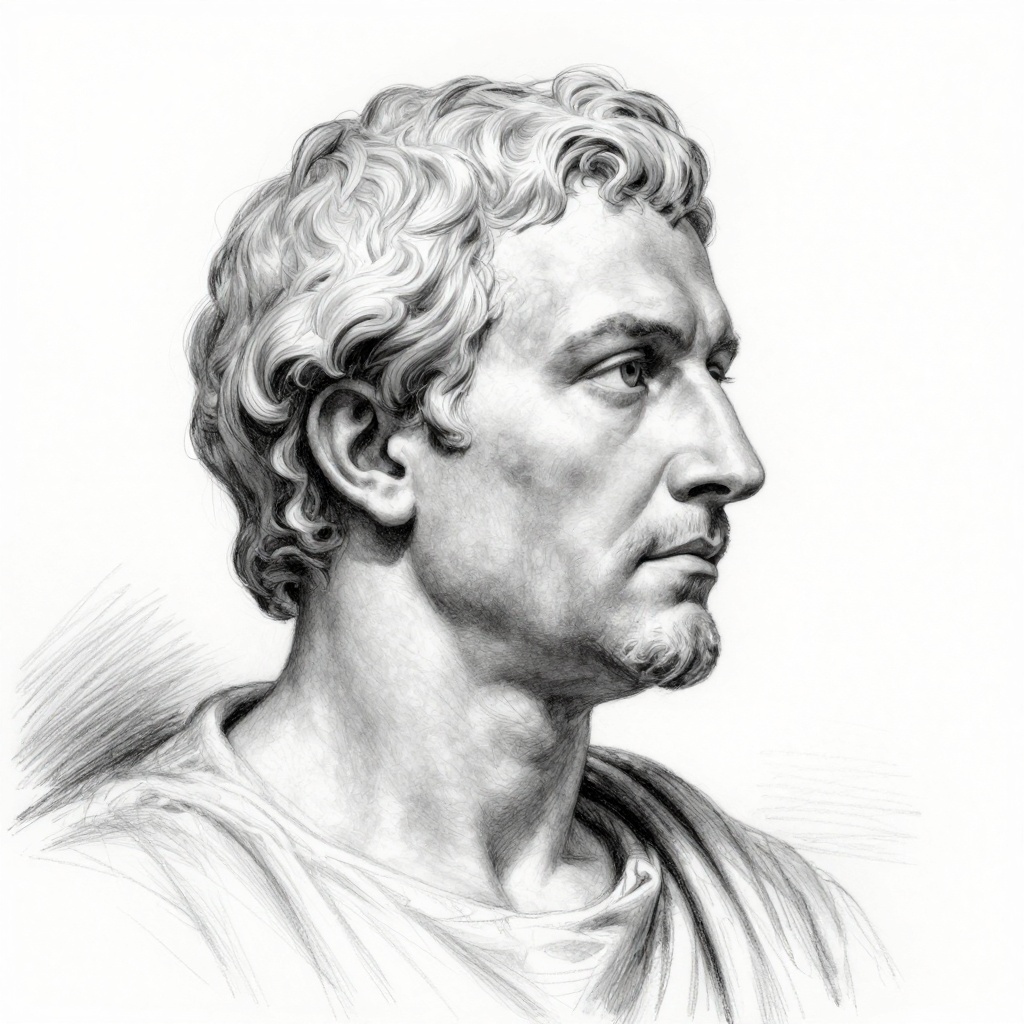
Comments