Quote · Added 28 February 2026
Heaven never helps the man who will not help himself.
No ratings yet
Filed underhelp·responsibility·self-improvement
Quote · Added 28 February 2026
Filed underhelp·responsibility·self-improvement
There's something bracing about this idea: the universe doesn't reward passivity. You can't wish your way into a better job, a stronger relationship, or better health. At some point, you have to actually do something. It's why waiting for the perfect moment often means never starting—because perfection doesn't arrive as a gift. The work comes first, and then circumstances begin to shift around it.
But there's a subtler point hiding here too. This isn't really about pulling yourself up by your bootstraps alone. It's about recognizing that help, luck, and good timing do exist—they just don't show up for people who are sitting still. When you start moving, when you're actively trying something, suddenly you notice opportunities you'd walked past before. You meet people who can actually help. You're in a position to catch the break when it comes. The person taking action isn't self-sufficient; they're just visible to the world in a way that invites collaboration and chance.
The real trap isn't laziness exactly—it's learned helplessness, the quiet belief that effort doesn't matter anyway. That's the mindset that actually prevents help from reaching you, because you stop asking for it, stop looking for it, stop being the kind of person others want to support.
d. 406
Sophocles was an ancient Greek playwright and one of the three ancient Greek tragedians whose works have survived. Born around 496 BC in Colonus, Athens, he is best known for his plays "Oedipus Rex," "Antigone," and "Electra," which explore complex themes of fate, ethics, and human suffering. Sophocles is also notable for introducing innovations in theatrical performance, such as the use of scenery and the introduction of a third actor, which greatly influenced the development of drama.
Also by Sophocles
Heaven never helps the man who will not act.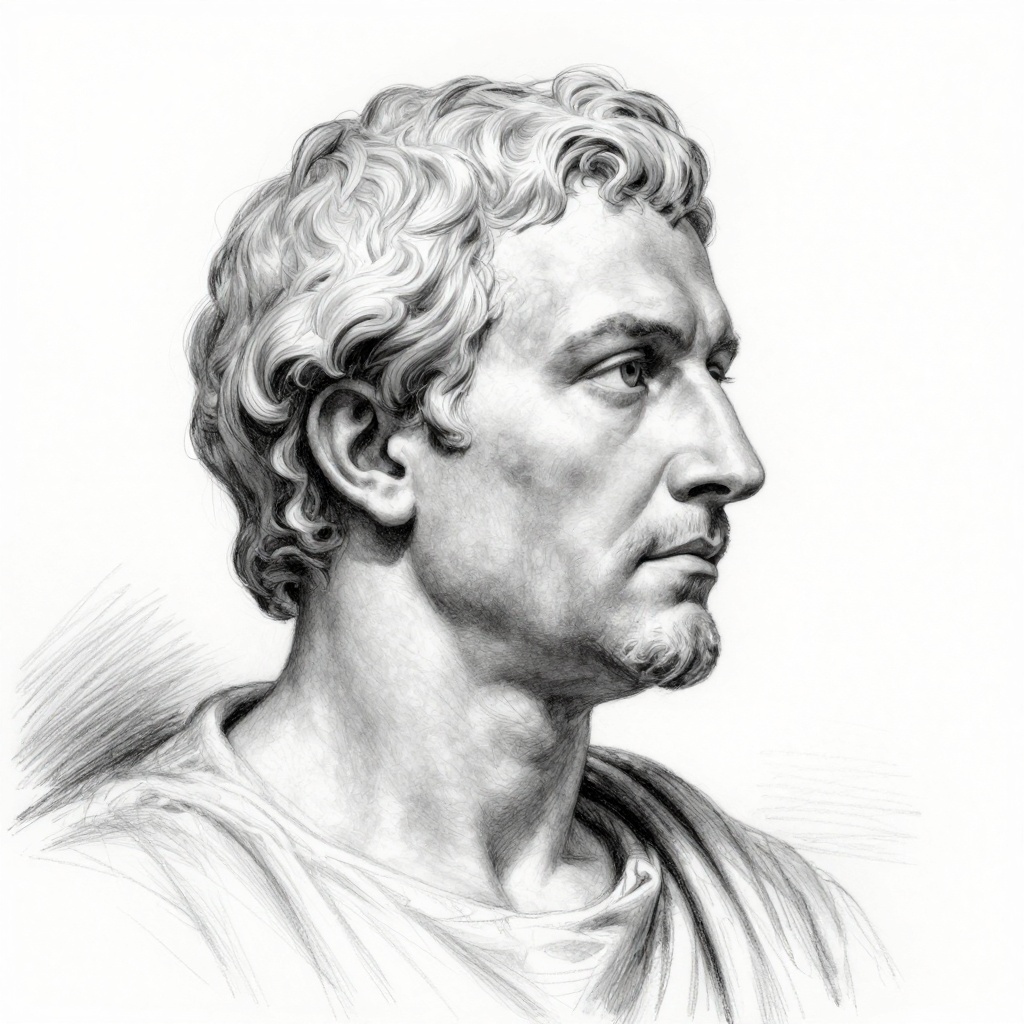
Comments