Quote · Added 15 February 2026
Old age and the passage of time teach all things.
No ratings yet
Quote · Added 15 February 2026
There's something we resist about this idea because it seems to promise wisdom will just arrive with the years, like a package we're guaranteed to receive. But Sophocles isn't saying that merely getting older makes you wise—he's describing something more active. Time teaches through repetition, failure, and the accumulated weight of seeing the same human patterns play out again and again. Only then does the lesson actually sink in.
This matters now because we're drowning in information but starving for actual understanding. We can Google an answer in seconds, but we can't Google the knowledge that comes from watching a friendship dissolve twice, or realizing the same anxiety spiral has happened five times, or seeing how a choice that seemed devastating at twenty looks completely different at forty. That's what time teaches—not facts, but calibration. It teaches you what actually matters versus what merely felt urgent.
The slightly uncomfortable part: this means real wisdom often requires patience we're not naturally inclined to have. You can't rush understanding. But it also means nobody's wasted time—not the failures, not the years spent learning the hard way. They're the tuition.
d. 406
Sophocles was an ancient Greek playwright and one of the three ancient Greek tragedians whose works have survived. Born around 496 BC in Colonus, Athens, he is best known for his plays "Oedipus Rex," "Antigone," and "Electra," which explore complex themes of fate, ethics, and human suffering. Sophocles is also notable for introducing innovations in theatrical performance, such as the use of scenery and the introduction of a third actor, which greatly influenced the development of drama.
Also by Sophocles
Heaven never helps the man who will not act.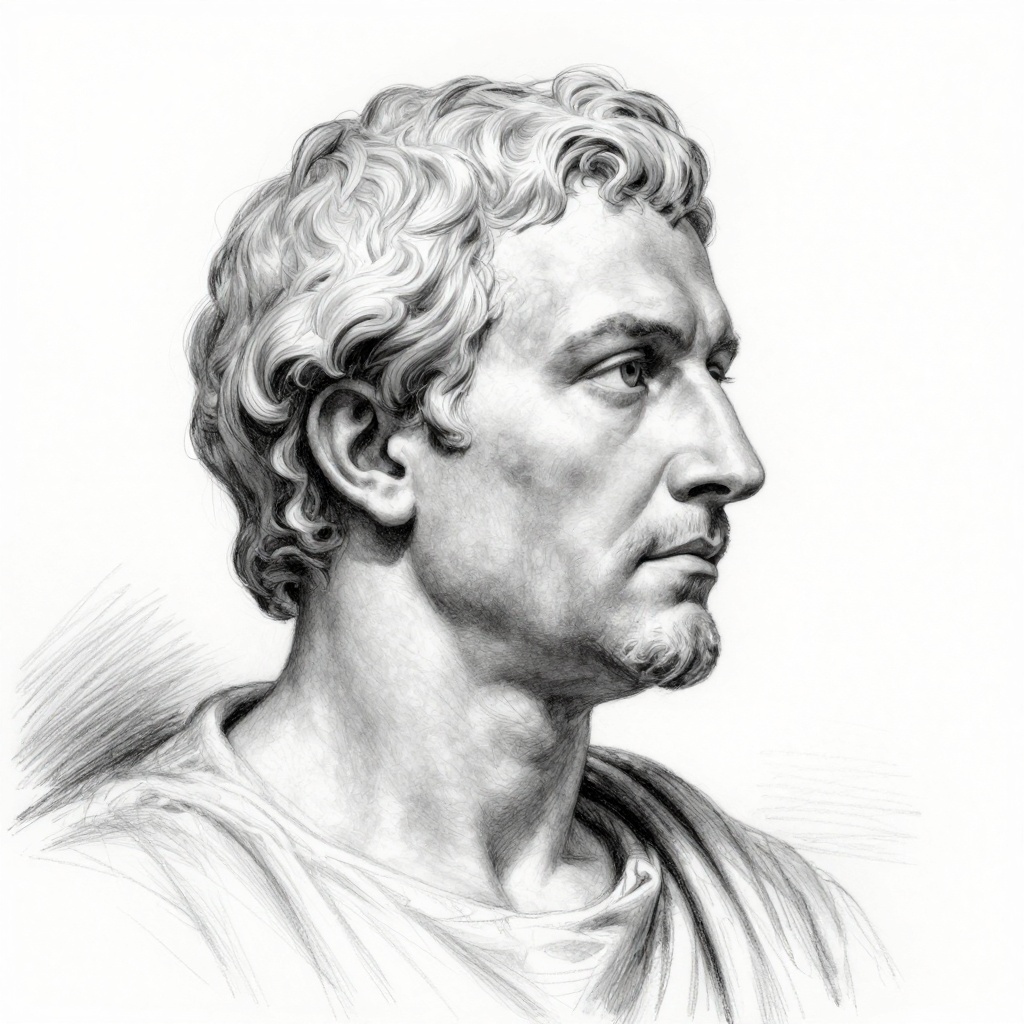
Comments