Quote · Added 7 March 2026
Reason is God's crowning gift to man.
No ratings yet
Quote · Added 7 March 2026
We live in an age that swings wildly between over-trusting reason and dismissing it entirely. Tech companies promise that data and algorithms will solve everything. Meanwhile, others retreat into pure intuition or tribal feeling, treating analytical thinking like a betrayal of authenticity. But Sophocles caught something that gets lost in both directions: reason isn't meant to be cold or mechanical. It's the tool that lets us separate signal from noise, question what we're told, and actually understand our own lives instead of just reacting to them.
The crowning gift part matters too. It's not reason as a foundation—it's the peak of what we're capable of. You can survive on instinct, appetite, and habit. But the moment you pause to ask "why am I doing this?" or "what's actually true here?"—that's reason kicking in, and it changes everything. It's what lets you recognize when you're being manipulated, when a relationship isn't working, when a choice you're about to make contradicts what you actually value.
The tricky part is that reason works best when it's humble. It needs good information, time, and the willingness to follow the logic somewhere uncomfortable. That's harder than just feeling certain about things. But that difficulty is precisely why it's the gift Sophocles was talking about.
d. 406
Sophocles was an ancient Greek playwright and one of the three ancient Greek tragedians whose works have survived. Born around 496 BC in Colonus, Athens, he is best known for his plays "Oedipus Rex," "Antigone," and "Electra," which explore complex themes of fate, ethics, and human suffering. Sophocles is also notable for introducing innovations in theatrical performance, such as the use of scenery and the introduction of a third actor, which greatly influenced the development of drama.
Also by Sophocles
Heaven never helps the man who will not act.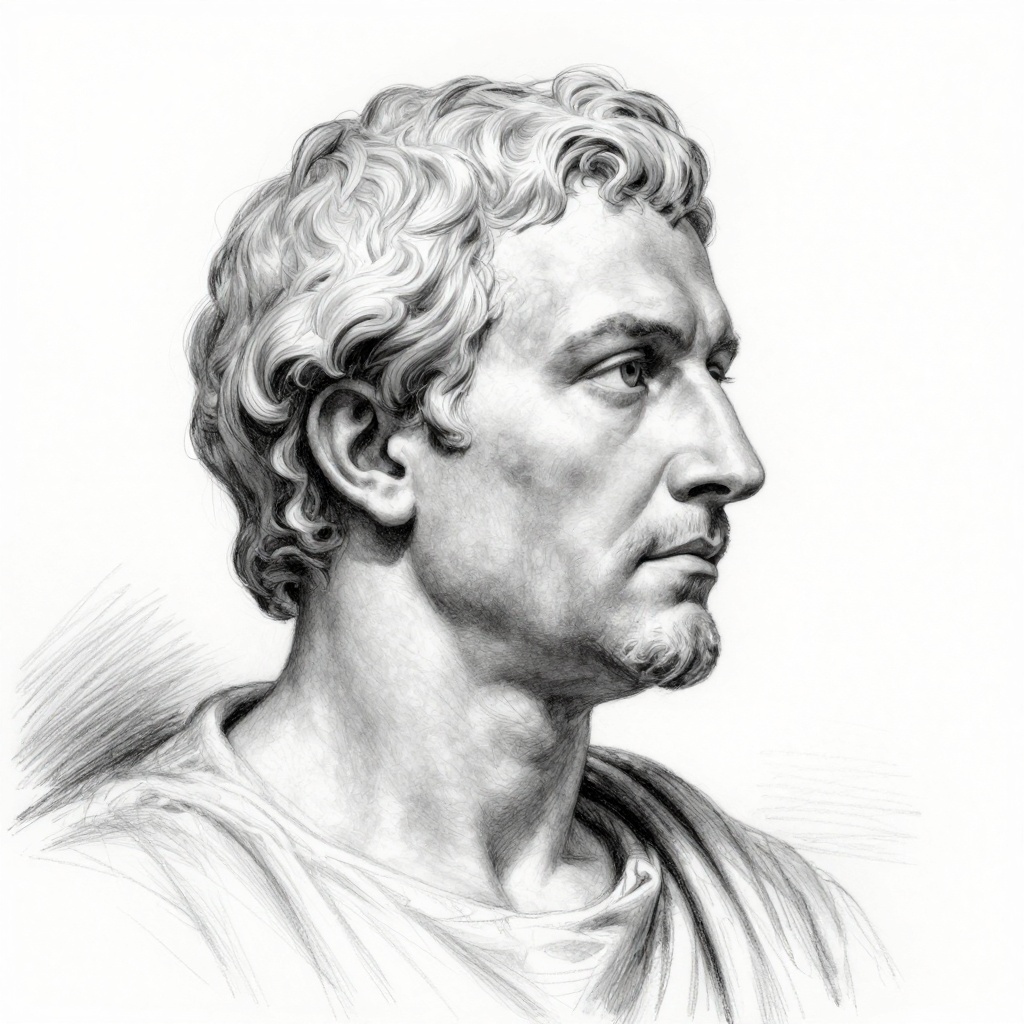
Comments