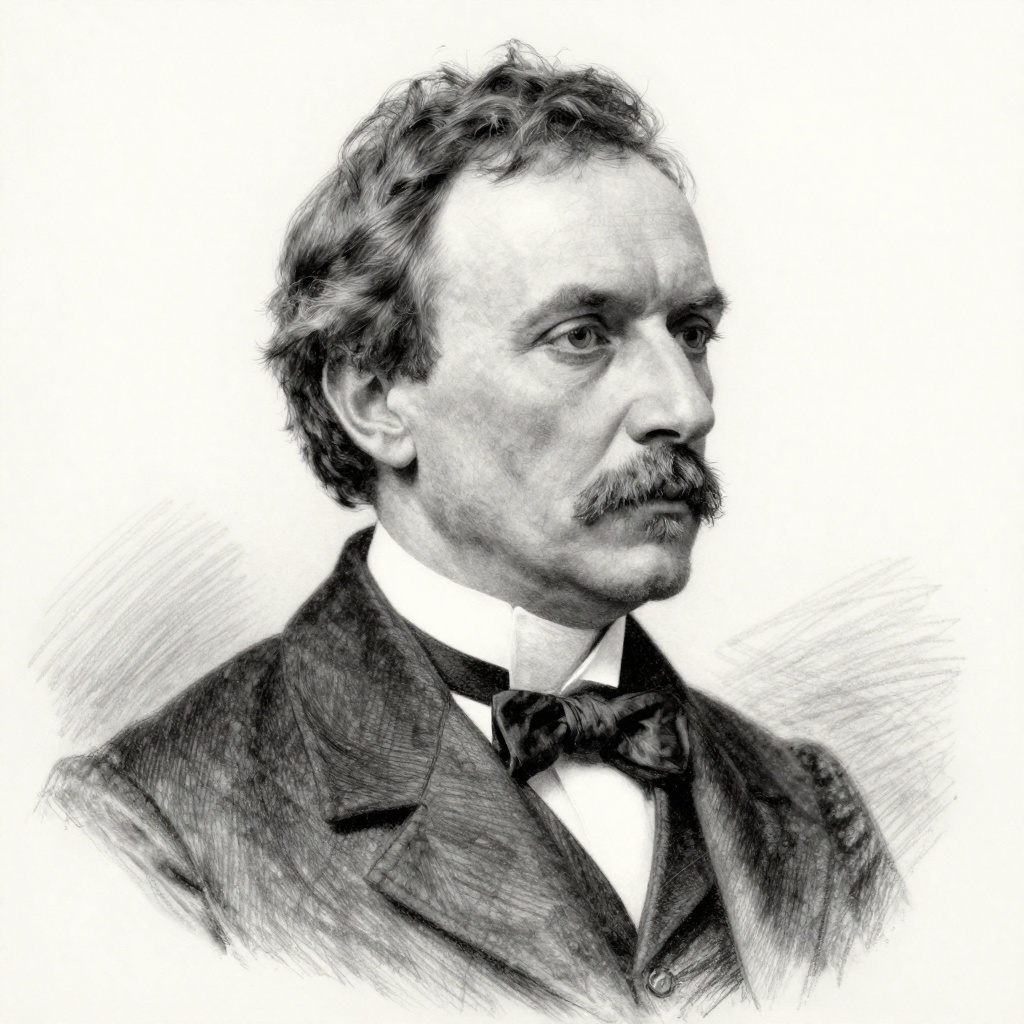
Good actions give strength to ourselves and inspire good actions in others. — Samuel Smiles

Good actions give strength to ourselves and inspire good actions in others.

Author: Samuel Smiles

Insight: There's something quietly powerful about watching someone do the right thing—especially when it costs them something. A coworker stays late to help someone struggling. A stranger picks up litter that isn't theirs. A friend admits they were wrong. These aren't dramatic moments, but they shift something. They make you believe a little more that kindness is possible, that effort matters, that you might do the same next time you're faced with a choice. What's interesting is how this works both directions. When you choose to do something good—keep your word, show up for someone, push through discomfort to do what's right—you're not just helping that moment. You're building something in yourself. You get stronger. Not in a grandiose way, but in the quiet sense that you know you can do hard things. You trust yourself more. And that accumulated self-trust becomes the foundation for the next good choice you make. But here's the part we often miss: you never fully know which of your actions inspires someone else. That small thing you did might be exactly what someone needed to see to believe they could try something brave. We're all constantly voting with our choices about what kind of world is possible. The strength we build becomes contagious.

Quiet acts create ripples in both directions

Good actions give strength to ourselves and inspire good actions in others.

There's something quietly powerful about watching someone do the right thing—especially when it costs them something. A coworker stays late to help someone struggling. A stranger picks up litter that isn't theirs. A friend admits they were wrong. These aren't dramatic moments, but they shift something. They make you believe a little more that kindness is possible, that effort matters, that you might do the same next time you're faced with a choice.

What's interesting is how this works both directions. When you choose to do something good—keep your word, show up for someone, push through discomfort to do what's right—you're not just helping that moment. You're building something in yourself. You get stronger. Not in a grandiose way, but in the quiet sense that you know you can do hard things. You trust yourself more. And that accumulated self-trust becomes the foundation for the next good choice you make.

But here's the part we often miss: you never fully know which of your actions inspires someone else. That small thing you did might be exactly what someone needed to see to believe they could try something brave. We're all constantly voting with our choices about what kind of world is possible. The strength we build becomes contagious.

AI generated

Comments

Sign in to leave a comment or reply to one.

Sign in

Samuel Smiles

Samuel Smiles (1812–1904) was a Scottish author and government reformer. He is best known for his self-help books, particularly "Self-Help" published in 1859, which emphasized the role of self-improvement, hard work, and perseverance in achieving success. Smiles' works had a significant influence on the development of personal development and self-improvement genre.

Graph

Related