Practical wisdom is only to be learned in the school of experience. Precepts and instruction are useful so far... — Samuel Smiles

Practical wisdom is only to be learned in the school of experience. Precepts and instruction are useful so far as they go, but, without the discipline of real life, they remain of the nature of theory only.

Author: Samuel Smiles

Insight: We all know the difference between knowing something and actually living it. You can read every productivity book ever written, but until you've actually sat down and failed to focus for three hours straight, you don't really understand what procrastination costs. That gap between theory and experience is what makes practical wisdom so hard to shortcut. The tricky part is that we often treat knowledge and wisdom like they're the same thing. They're not. Knowledge is what you can look up or learn from someone else. Wisdom is what you build by trying, failing, adjusting, and trying again over time. A thousand articles about relationships won't teach you what one genuine heartbreak can. A business course won't replace the gut-level learning that comes from actually risking money and watching it disappear, then figuring out what went wrong. What makes this especially relevant now is how easy it is to mistake information for understanding. We can consume expert advice endlessly online, but then wonder why our lives don't actually change. The real work isn't gathering more tips—it's putting yourself in situations where you have real skin in the game and have to learn your own way through. That discomfort is exactly where wisdom begins.

Knowledge is cheap, wisdom costs

Practical wisdom is only to be learned in the school of experience. Precepts and instruction are useful so far as they go, but, without the discipline of real life, they remain of the nature of theory only.

We all know the difference between knowing something and actually living it. You can read every productivity book ever written, but until you've actually sat down and failed to focus for three hours straight, you don't really understand what procrastination costs. That gap between theory and experience is what makes practical wisdom so hard to shortcut.

The tricky part is that we often treat knowledge and wisdom like they're the same thing. They're not. Knowledge is what you can look up or learn from someone else. Wisdom is what you build by trying, failing, adjusting, and trying again over time. A thousand articles about relationships won't teach you what one genuine heartbreak can. A business course won't replace the gut-level learning that comes from actually risking money and watching it disappear, then figuring out what went wrong.

What makes this especially relevant now is how easy it is to mistake information for understanding. We can consume expert advice endlessly online, but then wonder why our lives don't actually change. The real work isn't gathering more tips—it's putting yourself in situations where you have real skin in the game and have to learn your own way through. That discomfort is exactly where wisdom begins.

AI generated

Comments

Sign in to leave a comment or reply to one.

Sign in

Samuel Smiles

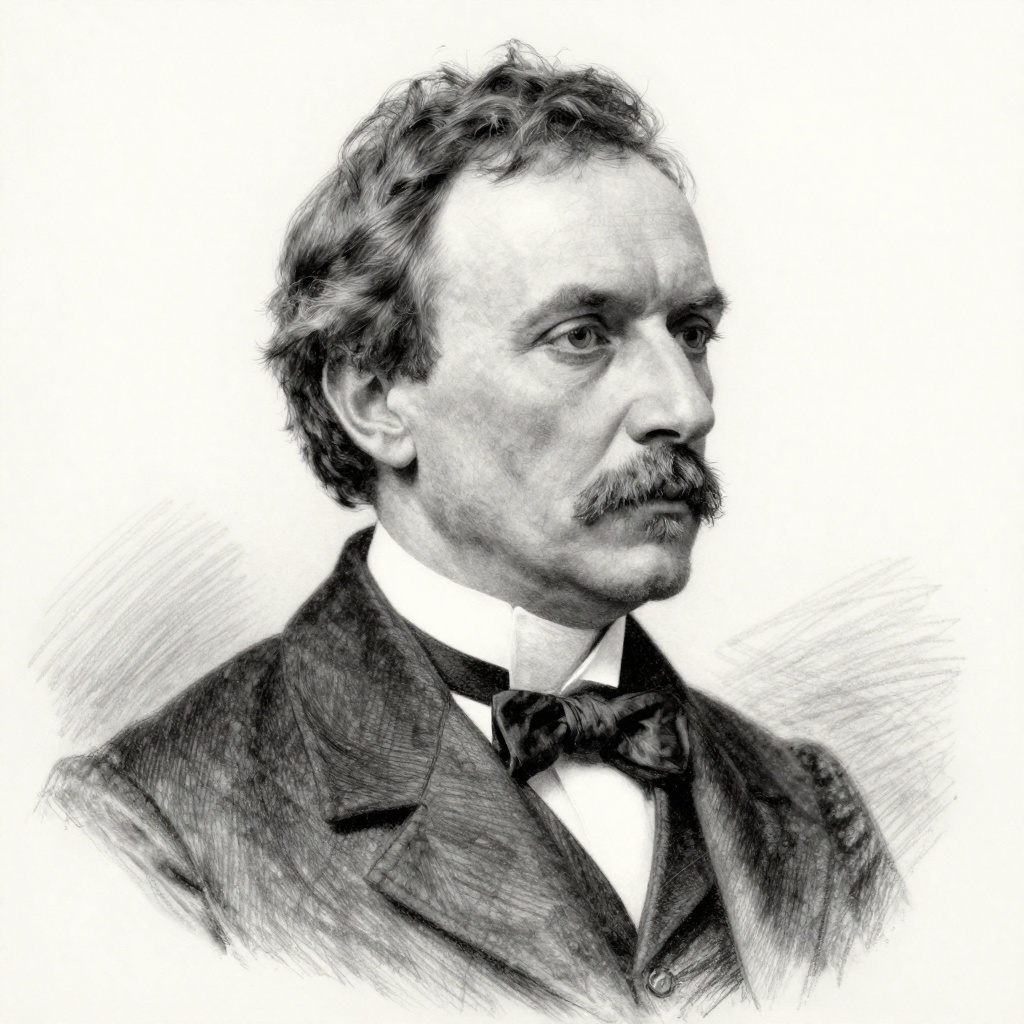
Samuel Smiles (1812–1904) was a Scottish author and government reformer. He is best known for his self-help books, particularly "Self-Help" published in 1859, which emphasized the role of self-improvement, hard work, and perseverance in achieving success. Smiles' works had a significant influence on the development of personal development and self-improvement genre.

Graph

Related