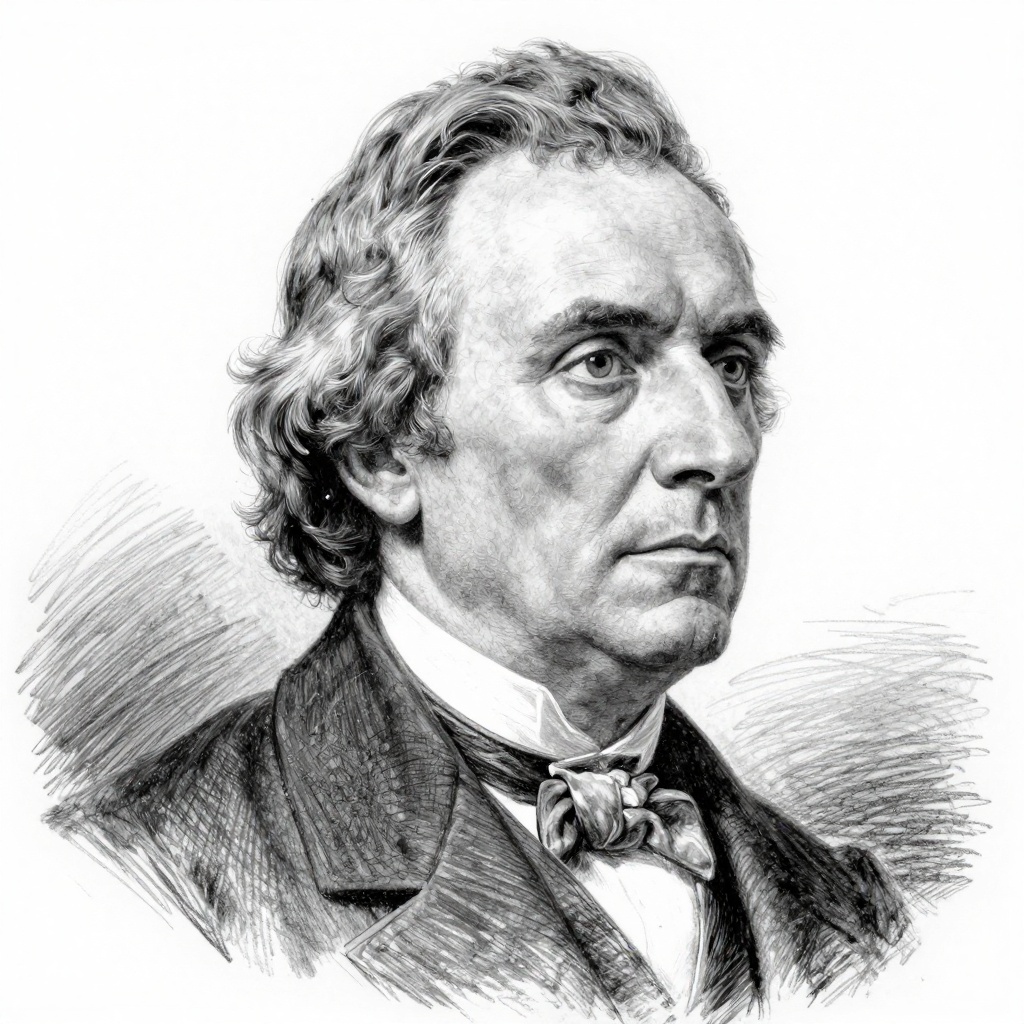
We have proclaimed to the world our determination 'to die freemen, rather than to live slaves.' We have appeal... — Samuel Adams

We have proclaimed to the world our determination 'to die freemen, rather than to live slaves.' We have appealed to Heaven for the justice of our cause, and in Heaven we have placed our trust.

Author: Samuel Adams

Insight: There's something almost defiant about this declaration—a willingness to lose everything rather than accept a diminished version of freedom. It sounds grand and revolutionary, but the real power lies in recognizing that Adams is naming something most of us feel on a smaller scale: there are things we'd rather not compromise on, even when compromise feels safer or easier. The interesting part isn't the dramatic either/or framing. It's that Adams knew appealing to "Heaven" was partly about rallying spirits when material odds were terrible. He was reaching for something beyond immediate circumstance—a conviction about what's worth protecting. Today, we face less existential stakes but similar tensions: Do we speak up at work even when silence pays better? Do we maintain values that cost us socially? The underlying question hasn't changed: What's the price of living with yourself? What makes this resonate now is that we're often caught between comfort and integrity in ways that don't feel historically grand. We're not storming barricades, but we're constantly negotiating with ourselves about which freedoms actually matter to us—and which ones we're willing to sacrifice for convenience. That negotiation is where Adams's words still sting a little.

What You're Willing To Lose

We have proclaimed to the world our determination 'to die freemen, rather than to live slaves.' We have appealed to Heaven for the justice of our cause, and in Heaven we have placed our trust.

There's something almost defiant about this declaration—a willingness to lose everything rather than accept a diminished version of freedom. It sounds grand and revolutionary, but the real power lies in recognizing that Adams is naming something most of us feel on a smaller scale: there are things we'd rather not compromise on, even when compromise feels safer or easier.

The interesting part isn't the dramatic either/or framing. It's that Adams knew appealing to "Heaven" was partly about rallying spirits when material odds were terrible. He was reaching for something beyond immediate circumstance—a conviction about what's worth protecting. Today, we face less existential stakes but similar tensions: Do we speak up at work even when silence pays better? Do we maintain values that cost us socially? The underlying question hasn't changed: What's the price of living with yourself?

What makes this resonate now is that we're often caught between comfort and integrity in ways that don't feel historically grand. We're not storming barricades, but we're constantly negotiating with ourselves about which freedoms actually matter to us—and which ones we're willing to sacrifice for convenience. That negotiation is where Adams's words still sting a little.

AI generated

Comments

Sign in to leave a comment or reply to one.

Sign in

Samuel Adams

Samuel Adams was an American statesman, political philosopher, and one of the Founding Fathers of the United States, born on September 27, 1722, in Boston, Massachusetts. He played a crucial role in mobilizing public opinion against British taxation and was instrumental in organizing resistance during the American Revolution, notably through his involvement in the Boston Tea Party. Adams served as the second governor of Massachusetts and is known for his strong advocacy for liberty and independence.

Graph

Related