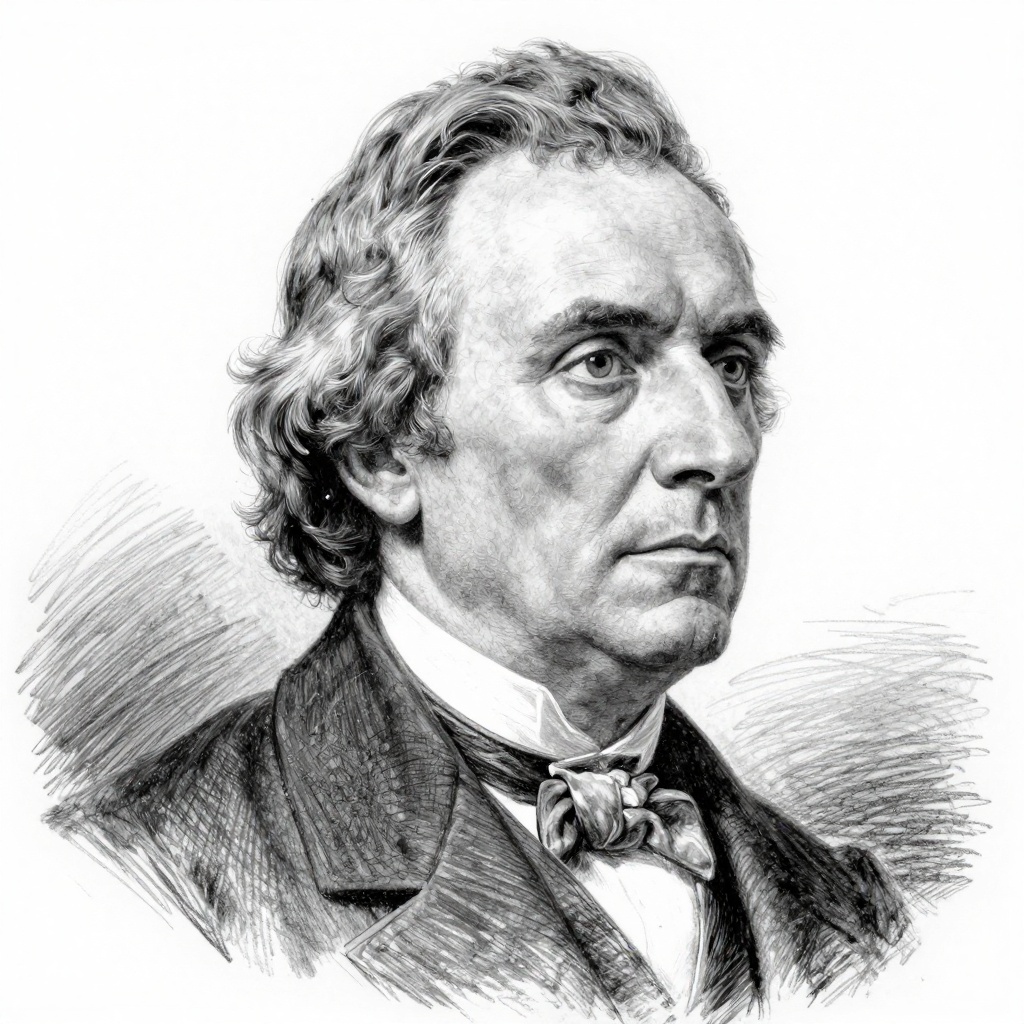
While I am in this world, I am resolved that no vexation shall put me out of temper if I can possibly command... — Samuel Adams

While I am in this world, I am resolved that no vexation shall put me out of temper if I can possibly command myself. Even old age, which is making strides towards me, shall not prevail to make me peevish.

Author: Samuel Adams

Insight: There's something refreshingly stubborn about this resolve. Samuel Adams isn't saying he'll never feel frustrated—he's acknowledging that vexations will come. What he's refusing is to let them own him. That distinction matters because it's the difference between having a bad day and becoming a bad-tempered person. We live in a time when every minor inconvenience gets amplified into a crisis of our emotional state. The coffee shop got your order wrong. Traffic was worse than usual. Someone didn't respond to your message. These things sting, absolutely, but Adams is pointing to something we've mostly forgotten: there's actual dignity in not letting circumstances dictate your temperament. It's not about toxic positivity or pretending everything's fine. It's about recognizing that you're not a puppet of circumstance, even when life genuinely is difficult. The bit about old age is particularly interesting because Adams is essentially saying that getting older—which we typically blame for grumpiness and irritability—doesn't have to make us peevish. We use aging as a permission slip for bitterness, but his point is that even that is a choice. It's harder to stay even-tempered as time wears on, which is exactly why it matters more.

Your temper is still your choice

While I am in this world, I am resolved that no vexation shall put me out of temper if I can possibly command myself. Even old age, which is making strides towards me, shall not prevail to make me peevish.

There's something refreshingly stubborn about this resolve. Samuel Adams isn't saying he'll never feel frustrated—he's acknowledging that vexations will come. What he's refusing is to let them own him. That distinction matters because it's the difference between having a bad day and becoming a bad-tempered person.

We live in a time when every minor inconvenience gets amplified into a crisis of our emotional state. The coffee shop got your order wrong. Traffic was worse than usual. Someone didn't respond to your message. These things sting, absolutely, but Adams is pointing to something we've mostly forgotten: there's actual dignity in not letting circumstances dictate your temperament. It's not about toxic positivity or pretending everything's fine. It's about recognizing that you're not a puppet of circumstance, even when life genuinely is difficult.

The bit about old age is particularly interesting because Adams is essentially saying that getting older—which we typically blame for grumpiness and irritability—doesn't have to make us peevish. We use aging as a permission slip for bitterness, but his point is that even that is a choice. It's harder to stay even-tempered as time wears on, which is exactly why it matters more.

AI generated

Comments

Sign in to leave a comment or reply to one.

Sign in

Samuel Adams

Samuel Adams was an American statesman, political philosopher, and one of the Founding Fathers of the United States, born on September 27, 1722, in Boston, Massachusetts. He played a crucial role in mobilizing public opinion against British taxation and was instrumental in organizing resistance during the American Revolution, notably through his involvement in the Boston Tea Party. Adams served as the second governor of Massachusetts and is known for his strong advocacy for liberty and independence.

Graph

Related