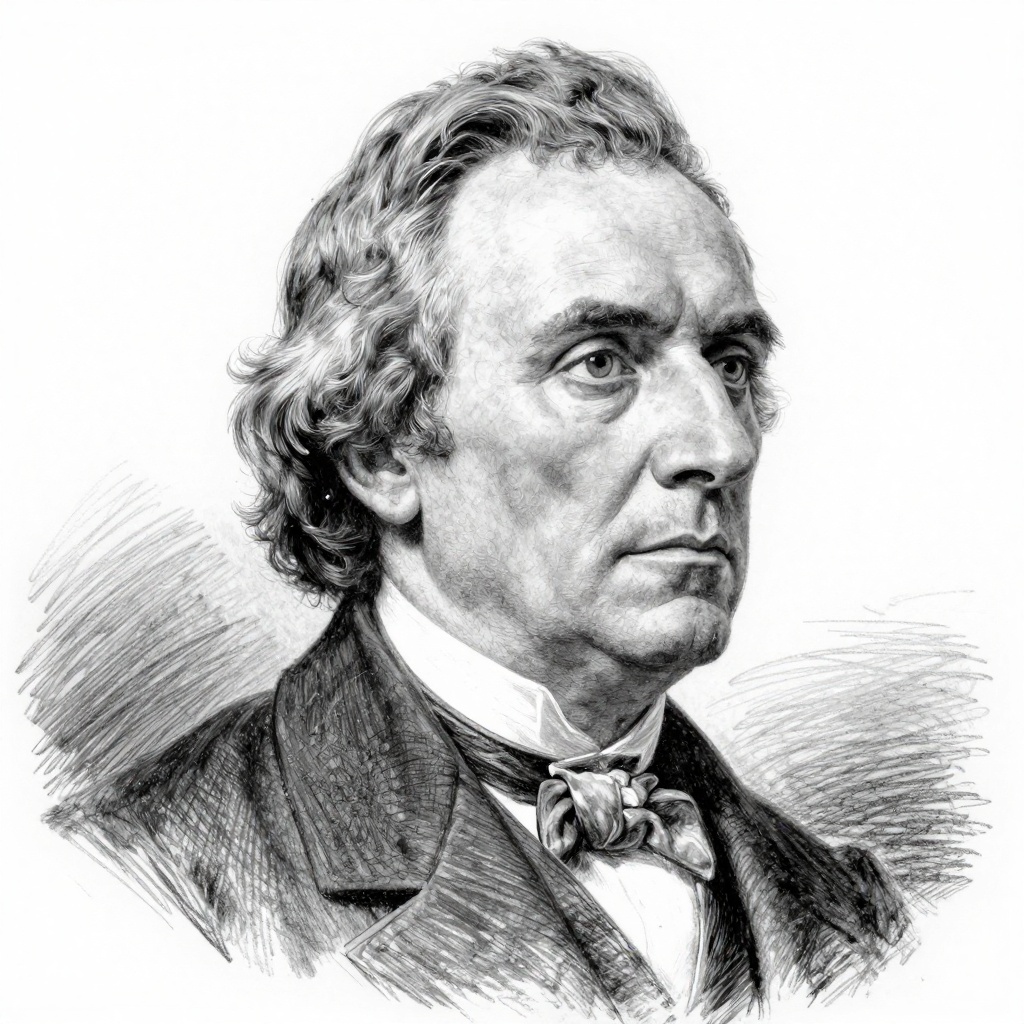
The love of power, like the love of money, increases with the possession of it; and we know in what ruin these... — Samuel Adams

The love of power, like the love of money, increases with the possession of it; and we know in what ruin these baneful passions have involved human societies in all ages when they have been let loose and suffered to rage uncontrolled - There is no restraint like the pervading eye of the virtuous citizens.

Author: Samuel Adams

Insight: We usually think of power and money as separate problems—one corrupts politics, the other corrupts business. But Adams noticed something simpler: both work the same way. Once you have them, you want more. It's not about being a naturally greedy person; it's about how possession itself changes appetite. The person who never had authority suddenly doesn't want to give it up. The executive with a six-figure salary starts resenting the seven-figure neighbor. The mechanism is almost mechanical, which is both depressing and oddly clarifying. What's interesting is where Adams places his hope: not in laws or formal checks, but in "the pervading eye of the virtuous citizens." He's saying accountability happens when ordinary people are actually paying attention—and when they care enough to do something about what they see. That's harder than it sounds, because it requires sustained attention and genuine moral commitment rather than just pointing out problems. But it also means the antidote isn't complicated. It's not a new system or a brilliant constitutional amendment. It's people staying awake and refusing to look away when power starts eating itself.

Power and money want more of themselves

The love of power, like the love of money, increases with the possession of it; and we know in what ruin these baneful passions have involved human societies in all ages when they have been let loose and suffered to rage uncontrolled - There is no restraint like the pervading eye of the virtuous citizens.

We usually think of power and money as separate problems—one corrupts politics, the other corrupts business. But Adams noticed something simpler: both work the same way. Once you have them, you want more. It's not about being a naturally greedy person; it's about how possession itself changes appetite. The person who never had authority suddenly doesn't want to give it up. The executive with a six-figure salary starts resenting the seven-figure neighbor. The mechanism is almost mechanical, which is both depressing and oddly clarifying.

What's interesting is where Adams places his hope: not in laws or formal checks, but in "the pervading eye of the virtuous citizens." He's saying accountability happens when ordinary people are actually paying attention—and when they care enough to do something about what they see. That's harder than it sounds, because it requires sustained attention and genuine moral commitment rather than just pointing out problems. But it also means the antidote isn't complicated. It's not a new system or a brilliant constitutional amendment. It's people staying awake and refusing to look away when power starts eating itself.

AI generated

Comments

Sign in to leave a comment or reply to one.

Sign in

Samuel Adams

Samuel Adams was an American statesman, political philosopher, and one of the Founding Fathers of the United States, born on September 27, 1722, in Boston, Massachusetts. He played a crucial role in mobilizing public opinion against British taxation and was instrumental in organizing resistance during the American Revolution, notably through his involvement in the Boston Tea Party. Adams served as the second governor of Massachusetts and is known for his strong advocacy for liberty and independence.

Graph

Related