Quote · Added 5 July 2026
Let us read, and let us dance; these two amusements will never do any harm to the world.
No ratings yet
Quote · Added 5 July 2026
There's something quietly radical in Voltaire's cheerfulness here. He's not arguing that reading and dancing will save civilization or make us better people—just that they won't hurt anything. That's a lower bar than we usually set for our pleasures. We tend to justify entertainment by claiming it educates us, builds character, or at least makes us more productive. But Voltaire seems to be saying: these things are good enough on their own. Not everything needs to be instrumental.
What makes this observation stick today is how defensive we've become about downtime. We feel guilty about reading fiction instead of self-help, guilty about dancing or any movement that isn't "exercise," guilty about doing things just because they feel good. There's an assumption lurking underneath that leisure needs permission—that it should improve us somehow. Voltaire's point cuts through that. Reading and dancing are honest forms of human joy. They don't need to apologize or prove their worth.
The real insight, though, is that he picked these two specific things. One is solitary, one is social. One is internal, one is physical. He wasn't naming two variations of the same thing—he was saying joy itself comes in different shapes, and that variety matters. The world doesn't suffer from people having different ways to be alive in it.
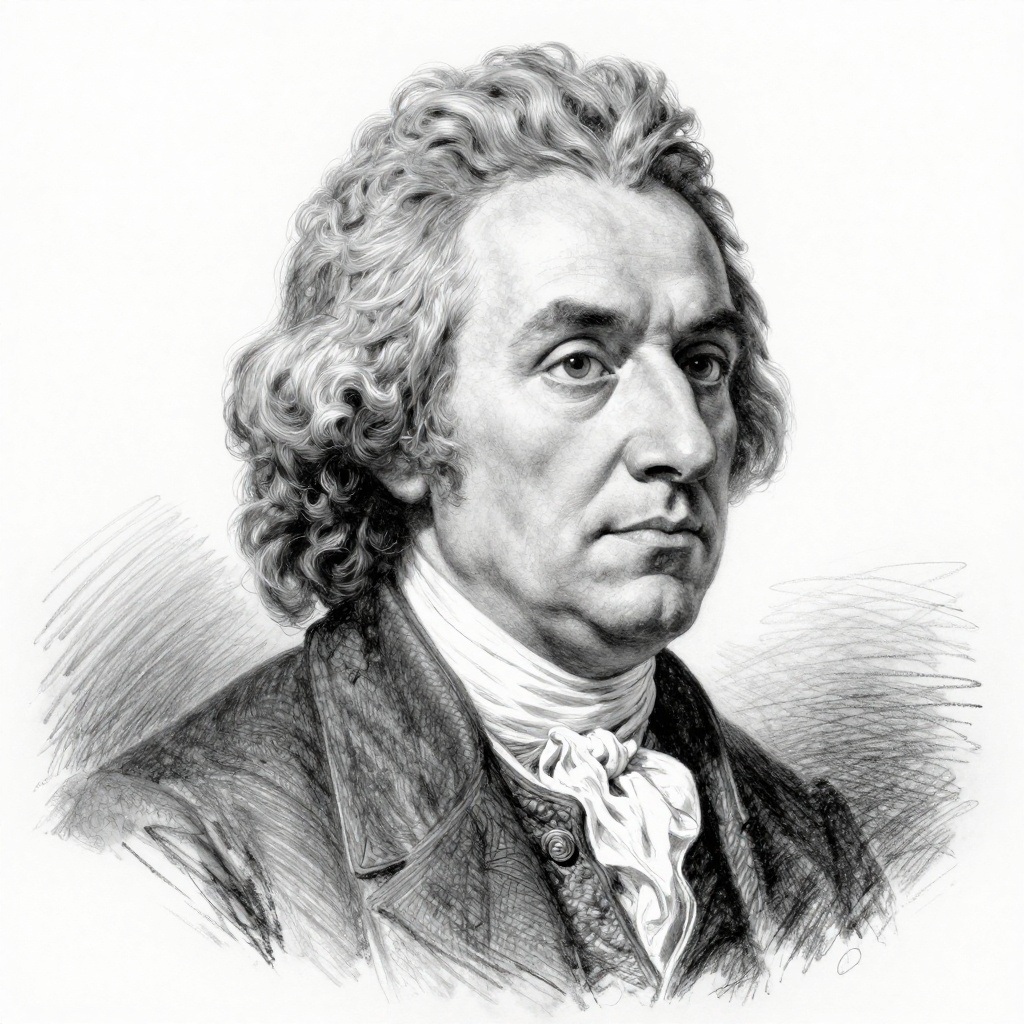
1694–1778·lived 83 years
Voltaire was an influential French philosopher, writer, and historian of the Enlightenment period. He is known for his wit, intelligence, and advocacy for freedom of speech, freedom of religion, and separation of church and state. Voltaire's works, including "Candide" and numerous essays, have had a lasting impact on literature and philosophy.
Comments