Quote · Added 22 March 2026
Explore
Reading
AI generatedWhen Words Hide What We Think
We've all met people who talk a lot without actually saying anything. They fill conversations with fancy language, corporate jargon, or carefully crafted explanations that somehow leave you more confused than when they started. Sometimes it's deliberate—someone hiding a lie behind layers of complexity. But often it's just habit: using words as camouflage instead of tools for clarity.
The real problem isn't the fancy vocabulary itself. It's that most of us can sense when someone's using language to obscure rather than illuminate. You feel it in conversations where someone won't give you a straight answer, or in meetings where someone talks for five minutes without committing to a single clear point. That gap between what they're saying and what you suspect they actually mean creates friction and distrust.
What's interesting is that this tendency reveals something about ourselves too. The more uncertain we are about something—a decision we haven't fully thought through, a belief we're not confident about—the more likely we are to camouflage our thoughts in complicated language. So when we notice it in others, it might be worth asking: where am I doing this? Where in my own life am I hiding behind words instead of thinking clearly enough to speak simply?
The author
All 85 quotes by Voltaire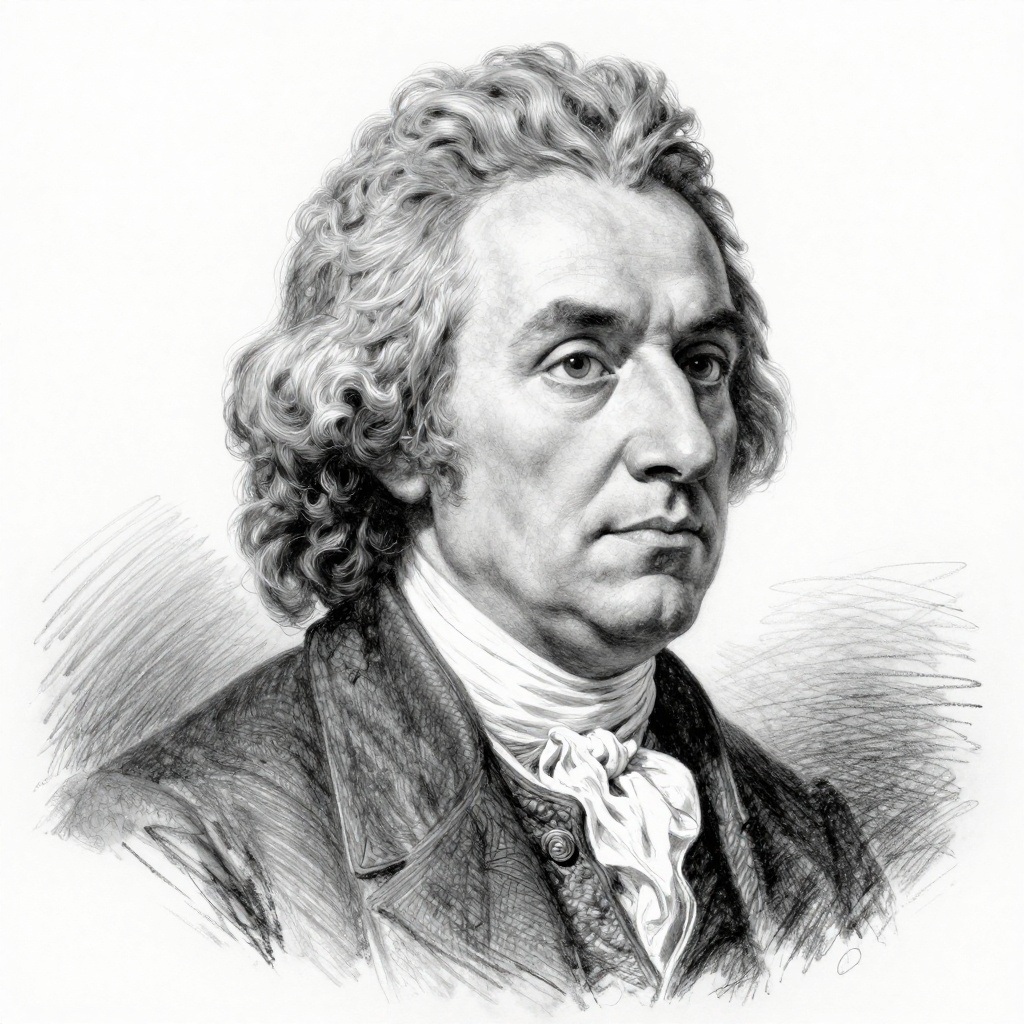
Voltaire
1694–1778·lived 83 years
Voltaire was an influential French philosopher, writer, and historian of the Enlightenment period. He is known for his wit, intelligence, and advocacy for freedom of speech, freedom of religion, and separation of church and state. Voltaire's works, including "Candide" and numerous essays, have had a lasting impact on literature and philosophy.
Comments