Quote · Added 14 February 2026
I cannot trust a man to control others who cannot control himself.
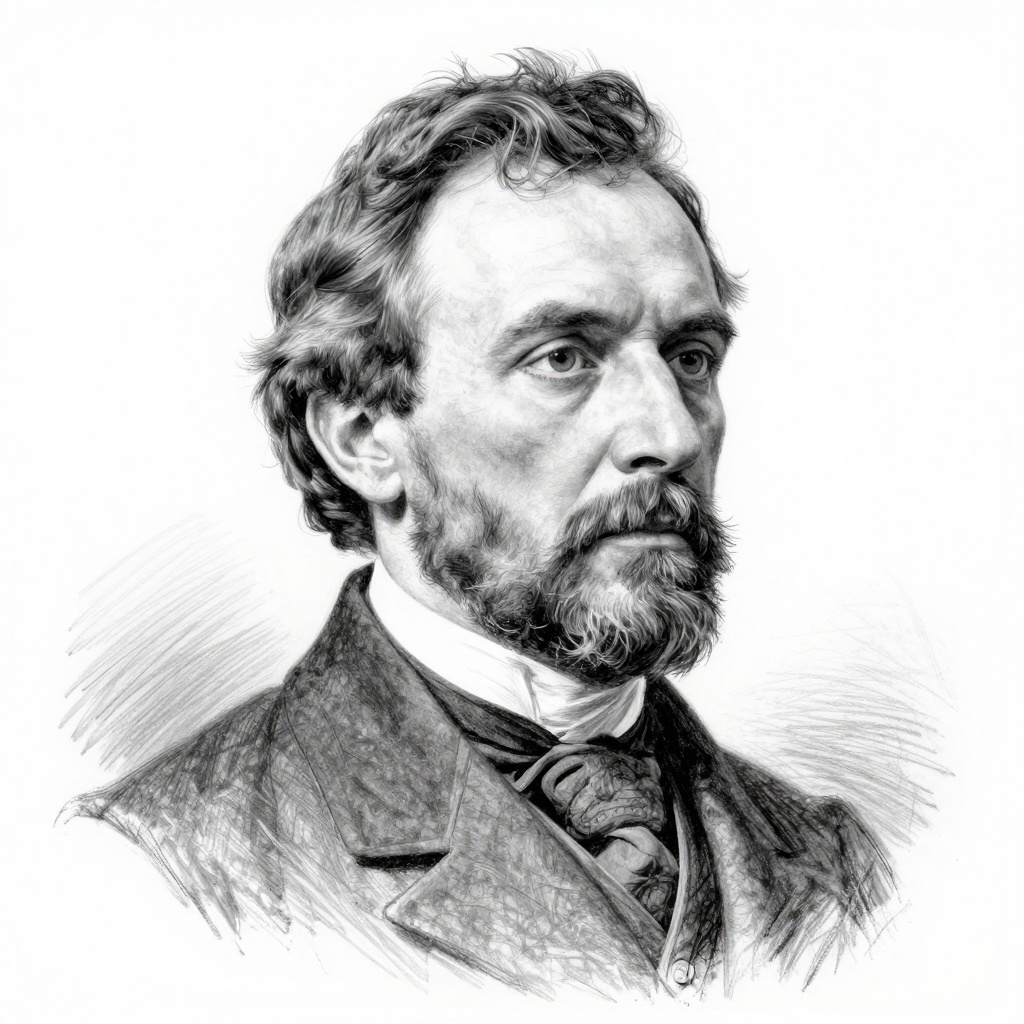
Robert E. LeeRobert E. Lee: Children & Civil War General, HISTORY
No ratings yet
Quote · Added 14 February 2026
We live in an era obsessed with credentials and titles, yet we often ignore the most basic qualification for leadership: the ability to manage your own mind and impulses. Robert E. Lee's observation cuts straight to something we intuitively understand but rarely articulate—that authority means nothing if someone is ruled by their own unchecked desires, anger, or ego.
Think about the people you've actually trusted in difficult moments. They weren't necessarily the most impressive on paper. They were the ones who stayed calm when frustrated, kept their word even when inconvenient, and didn't let their bad moods become everyone else's problem. That consistency matters because it signals something deeper: this person has some internal stability. When someone can't manage their own temper or keep their own commitments, why would we believe they'll suddenly become reliable when given power over others?
The twist here is that self-control isn't about suppression or rigid perfection. It's about honest self-awareness. The most trustworthy leaders aren't the ones pretending to have it all together—they're the ones genuinely working on their own blind spots, acknowledging their struggles, and not pretending their weakness doesn't exist. That humility, combined with actual effort, creates a kind of credibility that no résumé can manufacture.
1807–1870·lived 63 years
Robert E. Lee was a Confederate general during the American Civil War, best known for his leadership of the Army of Northern Virginia. Born on January 19, 1807, in Stratford Hall, Virginia, he gained a reputation for military strategy and tactics, particularly during battles such as Gettysburg and Antietam. After the war, Lee became a symbol of the South’s Confederate legacy and served as president of Washington College, now Washington and Lee University, until his death in 1870.
Comments