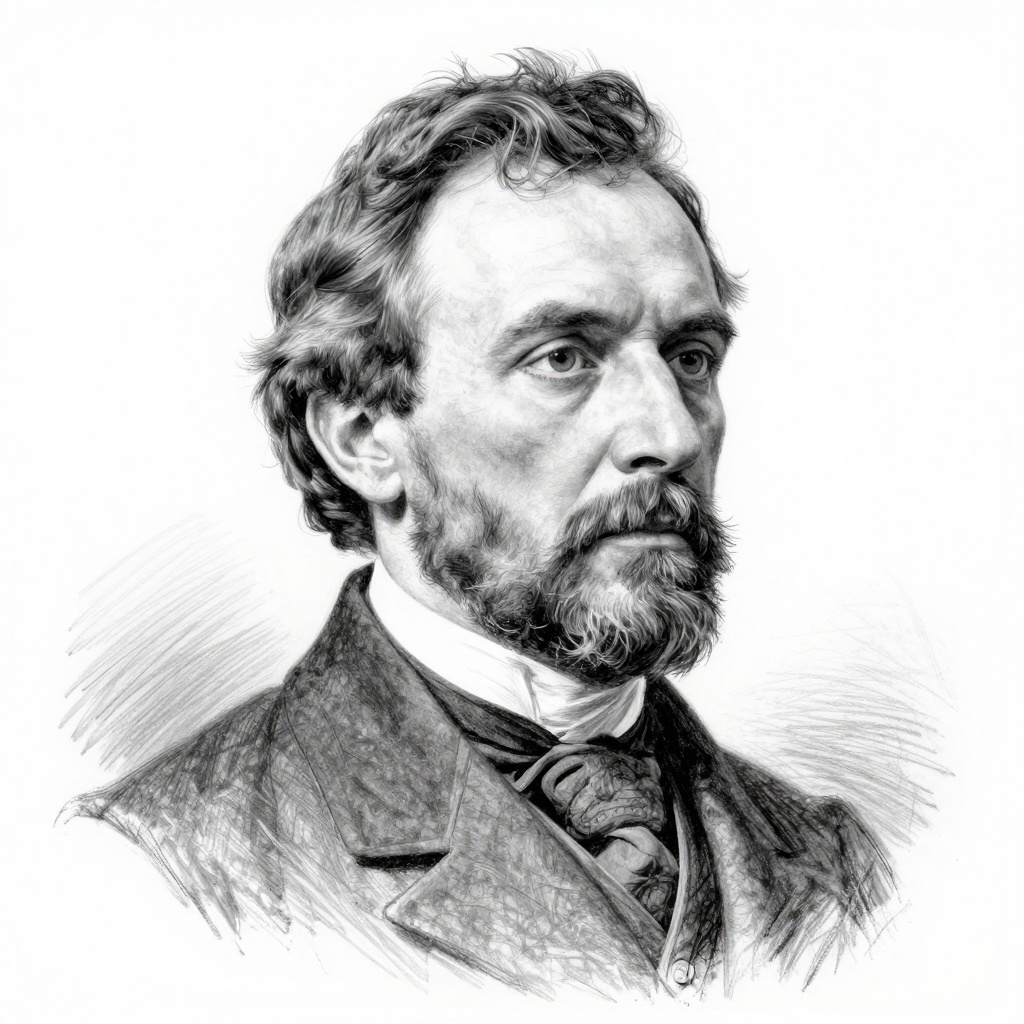
In this enlightened age, there are few I believe, but what will acknowledge, that slavery as an institution is... — Robert E. Lee
In this enlightened age, there are few I believe, but what will acknowledge, that slavery as an institution is a moral & political evil in any country. It is useless to expatiate on its disadvantages.
Author: Robert E. Lee
Insight: There's something almost eerie about reading a statement like this from Lee in 1856. He's acknowledging what seems obvious—that slavery is morally wrong—yet he does nothing about it. He even went on to fight a war to preserve it. This contradiction reveals something uncomfortable about how we handle inconvenient truths: we can fully know something is wrong and still choose not to act against it, especially when that action costs us something. This plays out constantly in modern life, just less dramatically. We know certain habits hurt us, that some choices harm others, that systems we benefit from are unjust. We might even state these things clearly, as Lee did. But acknowledgment isn't the same as change, and recognition isn't resistance. It's easier to agree something is wrong in the abstract than to actually pay the price—financially, socially, or personally—to stop participating in it. The real sting of Lee's quote isn't that he was wrong about slavery's evil. It's that he proved awareness alone is nearly worthless without the will to act differently. It's a reminder that when we find ourselves saying "yes, that's clearly wrong," the harder question isn't intellectual agreement—it's what we're actually willing to sacrifice to do something about it.