Quote · Added 14 February 2026
Obedience to lawful authority is the foundation of manly character.
Robert E. LeeLetter to his son, 1859
No ratings yet
Quote · Added 14 February 2026
There's something counterintuitive in this idea that obedience builds character rather than diminishes it. Most of us grow up hearing that real strength means questioning authority, standing alone, thinking for yourself. But Lee's pointing at something different: the discipline to follow legitimate rules—even when you disagree—actually requires more internal strength than pure rebellion does.
Think about it in everyday terms. A musician in an orchestra has to follow a conductor's tempo even when she thinks she could play it better solo. An employee works within company guidelines even though the rules sometimes feel bureaucratic. These aren't moments of weakness. Channeling your will toward something larger than yourself, submitting to structure when it serves a purpose, takes genuine confidence. Anyone can thrash against constraints. It takes real character to find the integrity in accepting them.
The catch, of course, is that word "lawful"—it's not a blank check. Throughout history, people have justified terrible obedience by calling it authority. Lee himself lived that contradiction in ways that complicate his legacy. But stripped of that historical weight, his core insight still holds: you become who you are partly through the choices you make to serve something beyond yourself, through the discipline of actually showing up and doing what needs doing, even when nobody's watching.
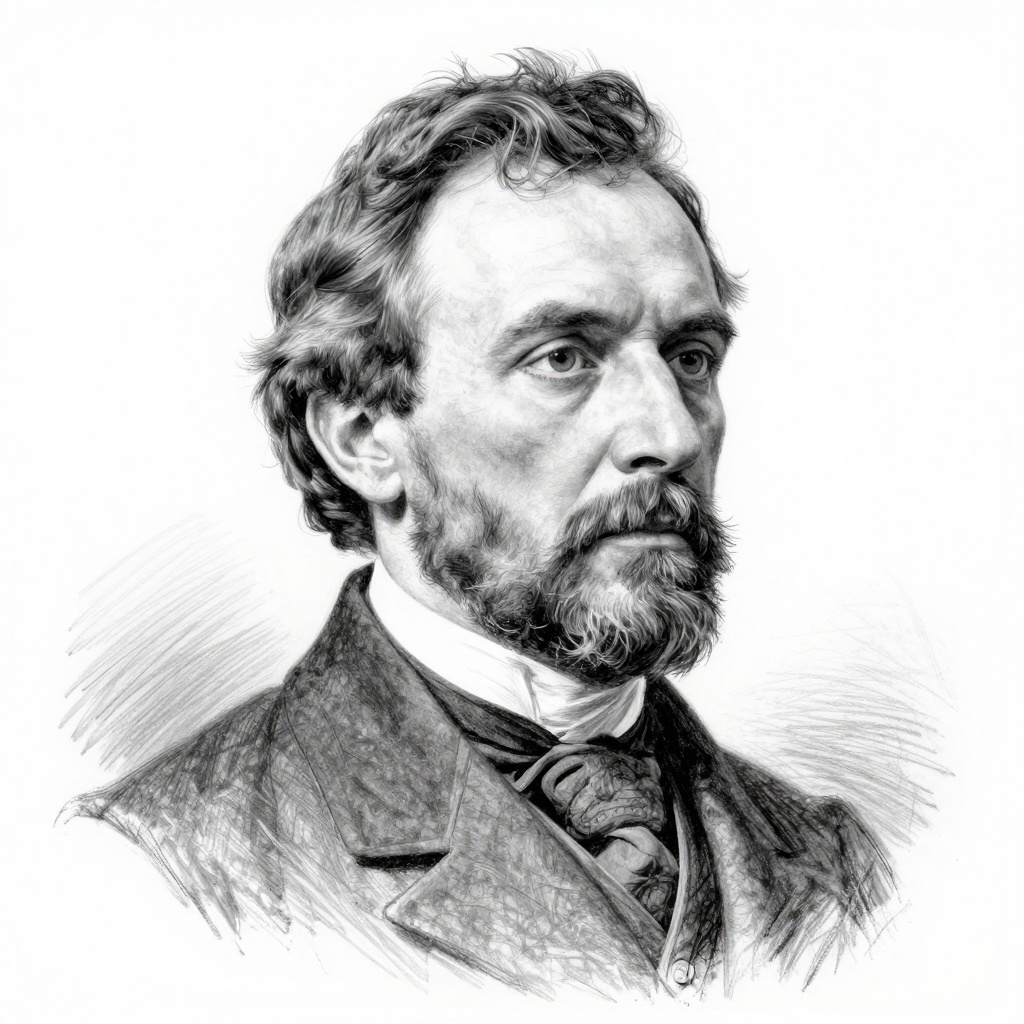
1807–1870·lived 63 years
Robert E. Lee was a Confederate general during the American Civil War, best known for his leadership of the Army of Northern Virginia. Born on January 19, 1807, in Stratford Hall, Virginia, he gained a reputation for military strategy and tactics, particularly during battles such as Gettysburg and Antietam. After the war, Lee became a symbol of the South’s Confederate legacy and served as president of Washington College, now Washington and Lee University, until his death in 1870.
Comments