Quote · Added 2 July 2026
Nothing shows a man's character more than what he laughs at.
No ratings yet
Quote · Added 2 July 2026
What makes us laugh reveals something we can't easily hide. You can control what you say or do in public, but humor sneaks past your guard. When you laugh at cruelty dressed up as a joke, or at someone's misfortune, or at tired stereotypes, you're signaling what feels normal to you. It's like your laugh is a window into what you actually value, not what you think you should value.
This matters more now because we're constantly exposed to humor—endless memes, comedy clips, group chats. Each laugh is a small choice about what version of the world you're endorsing. The person who laughs at mean-spirited roasting isn't necessarily cruel; they might just be showing you their edges, the parts they haven't examined yet. And if you notice yourself laughing at something and then feeling uncomfortable, that's useful information. It means your conscience caught something your social instincts tried to smooth over.
The really honest thing is that our laughter reveals not just our character, but our growth. What we found hilarious five years ago can feel off now. We change, our circles change, and what we collectively find funny shifts. So pay attention to what makes you laugh—not to judge yourself harshly, but to understand who you're actually becoming.
1749–1832·lived 82 years
Johann Wolfgang von Goethe (1749–1832) was a renowned German writer, scientist, and statesman. He is best known for his works such as "Faust," "The Sorrows of Young Werther," and "Wilhelm Meister's Apprenticeship," which have had a lasting impact on German literature. Goethe's diverse talents and intellectual pursuits made him a key figure of the Weimar Classicism movement.
Also by Johann Wolfgang von Goethe
One ought, every day at least, to hear a little song, read a good poem, see a fine picture...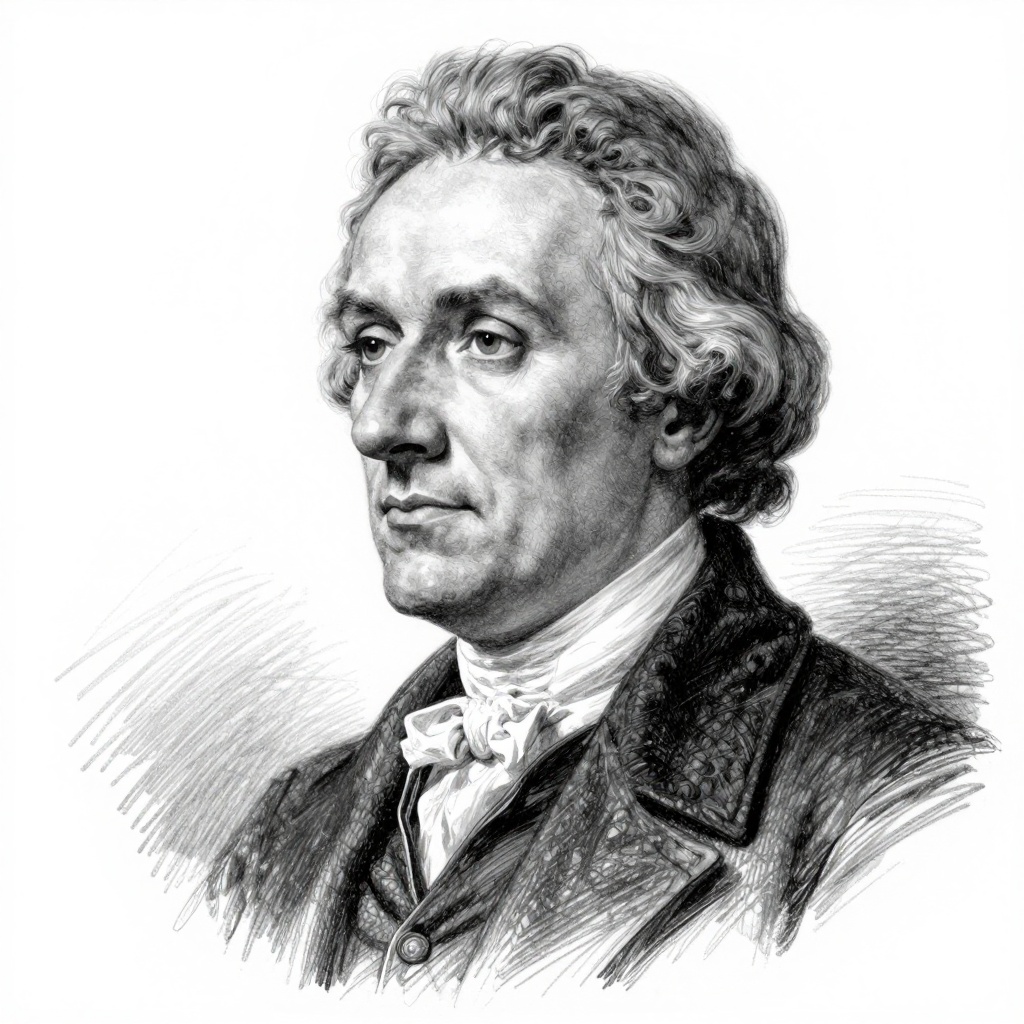
Comments