Quote · Added 30 May 2026
At the moment of commitment, the universe conspires to assist you.
No ratings yet
Filed undercommitment·universe·support
Quote · Added 30 May 2026
Filed undercommitment·universe·support
There's something almost magical about what happens when you finally decide. Not when you're thinking about it, weighing pros and cons, or telling people you might do something someday—but when you actually commit. Suddenly doors seem to open. You notice opportunities you'd walked past before. People appear who can help. The energy shifts. It feels like the universe is working with you instead of against you.
The practical truth buried in this isn't mystical at all. When you're truly committed to something, you become hyperaware of anything connected to it. Your brain stops filtering out relevant information. You take risks you wouldn't have taken before because the goal is clear enough to justify them. You talk about your commitment, which means you're no longer a secret ambition—it's a real thing in the world now, and people naturally start to help. You also stick around long enough to see opportunities develop, instead of bailing out during the messy middle part.
The catch is that this only works with genuine commitment, not wishful thinking. The universe doesn't conspire to help people hedging their bets. But once you've actually decided—once you've burned the boats—you'll be shocked how many resources, moments, and people suddenly appear to support you forward.
1749–1832·lived 82 years
Johann Wolfgang von Goethe (1749–1832) was a renowned German writer, scientist, and statesman. He is best known for his works such as "Faust," "The Sorrows of Young Werther," and "Wilhelm Meister's Apprenticeship," which have had a lasting impact on German literature. Goethe's diverse talents and intellectual pursuits made him a key figure of the Weimar Classicism movement.
Also by Johann Wolfgang von Goethe
Nothing shows a man's character more than what he laughs at.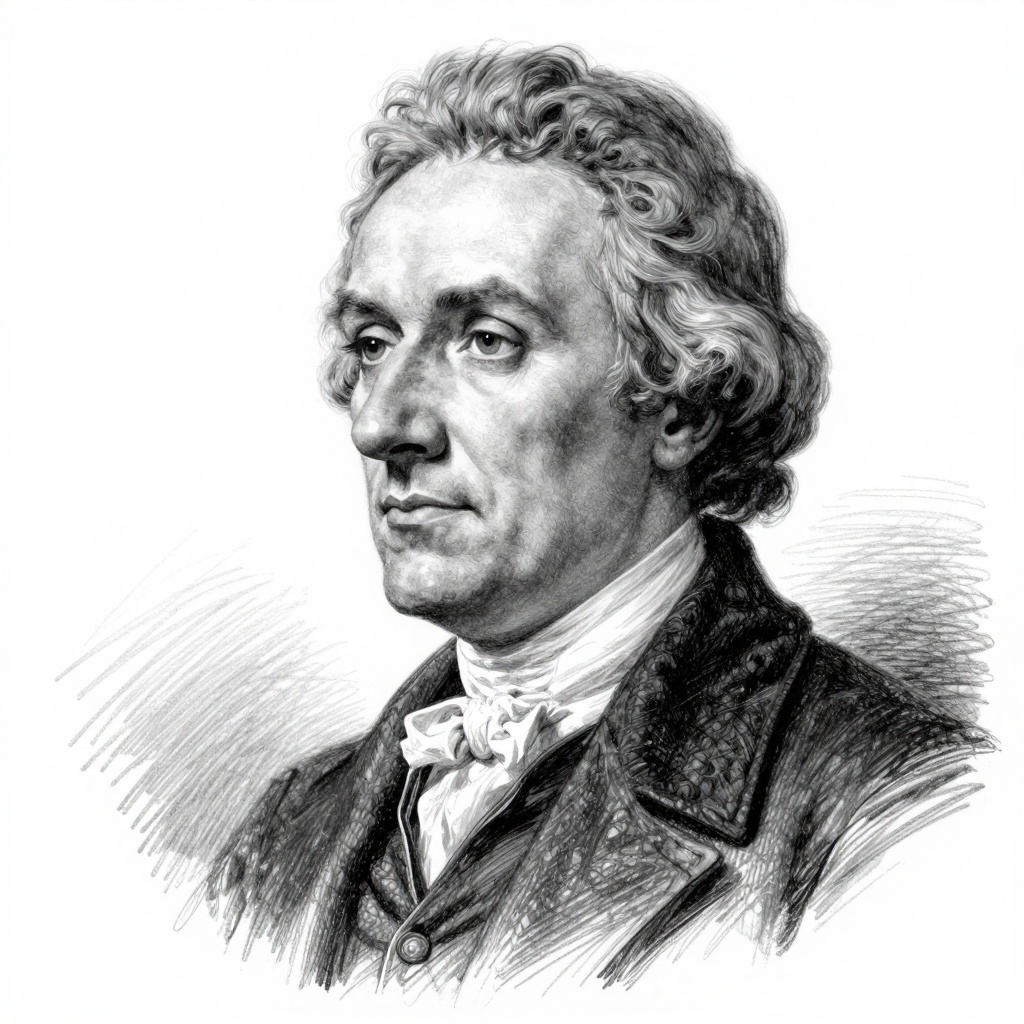
Comments