Quote · Added 9 October 2026
The universe is written in the language of mathematics.
Galileo GalileiIl Saggiatore, 1623
No ratings yet
Filed undermathematics·universe·knowledge
Quote · Added 9 October 2026
Filed undermathematics·universe·knowledge
When we look at the world with fresh eyes, we notice something strange: reality seems to follow patterns. Planets orbit in predictable paths. Your coffee cools at a consistent rate. The arch of a thrown ball matches equations scribbled on paper. Galileo's insight was radical for his time because most people assumed the universe was fundamentally mysterious, governed by forces beyond human understanding. But he noticed something simpler and stranger: the universe actually speaks a language we can learn.
The sneaky part of this idea is that it doesn't just apply to physics textbooks. Every time you see a pattern repeating—in relationships, work projects, even your own habits—you're bumping up against this same mathematical reality. Why do some friendships drift away predictably after a move? Why do compound interest and viral spread follow the same equations? The universe isn't just written in math at the cosmic scale. It shows up everywhere you look, once you start seeing it.
This matters now because we're drowning in data and patterns, from social media algorithms to health statistics. Understanding that there's structure underneath the chaos isn't just beautiful—it's practical. It means reality is partly transparent. Some things are genuinely beyond our control, but many aren't. That's actually hopeful.
1564–1642·lived 77 years
Galileo Galilei was an Italian astronomer, physicist, and mathematician known as the "father of observational astronomy" and the "father of modern physics." He is best known for improving the telescope and making significant astronomical observations, including the four largest moons of Jupiter, which are now known as the Galilean moons. Galileo played a crucial role in the Scientific Revolution and his work laid the foundation for modern physics and astronomy.
Also by Galileo Galilei
I do not feel obliged to believe that the same God who has endowed us with sense, reason,...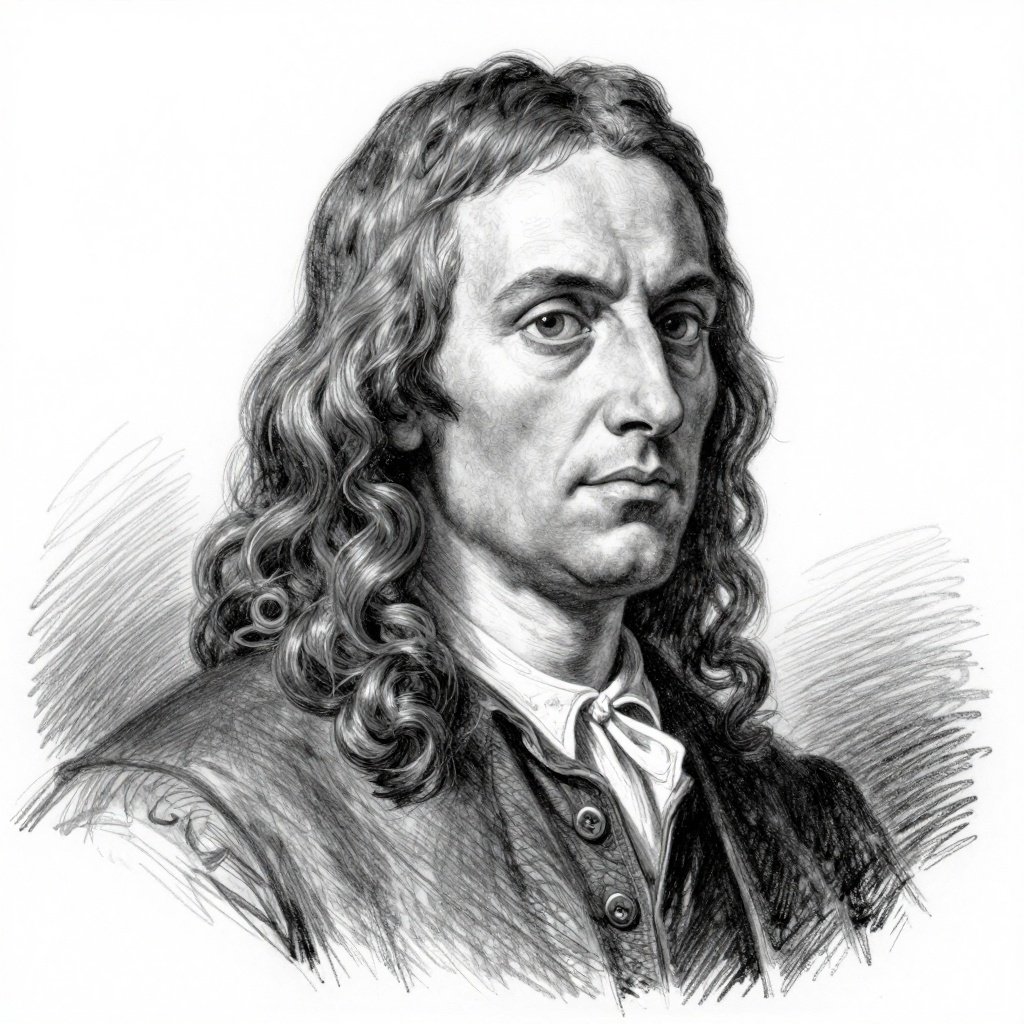
Comments