Quote · Added 14 February 2026
I have never met a man so ignorant that I couldn't learn something from him.
Galileo Galilei1564–1642, Science in the Age of Galileo 1558–1648
No ratings yet
Quote · Added 14 February 2026
There's something quietly radical about this. Most of us operate from the opposite assumption—that people worth learning from fit a narrow profile. They're experts, they're well-read, they've got credentials. But Galileo is suggesting that curiosity isn't really about pedigree. It's about whether you're actually paying attention.
Think about the people in your life you dismiss too quickly. The coworker who's less educated but seems to understand people better. The relative with different politics who somehow knows how to fix things you can't. The person stuck in a job they hate who's figured out something about patience you haven't. They're not teaching you facts, necessarily. They're teaching you how differently a human brain can work, what matters to different people, where your own blind spots might be. That's valuable whether or not they could pass a test on the subject.
The flip side is harder to admit: clinging to the idea that only certain people are worth listening to is partly vanity. It lets you stay closed off without having to examine why. Galileo's statement isn't naive optimism—it's actually a pretty tough discipline. It demands that you show up curious, not superior.
1564–1642·lived 77 years
Galileo Galilei was an Italian astronomer, physicist, and mathematician known as the "father of observational astronomy" and the "father of modern physics." He is best known for improving the telescope and making significant astronomical observations, including the four largest moons of Jupiter, which are now known as the Galilean moons. Galileo played a crucial role in the Scientific Revolution and his work laid the foundation for modern physics and astronomy.
Also by Galileo Galilei
The universe is written in the language of mathematics.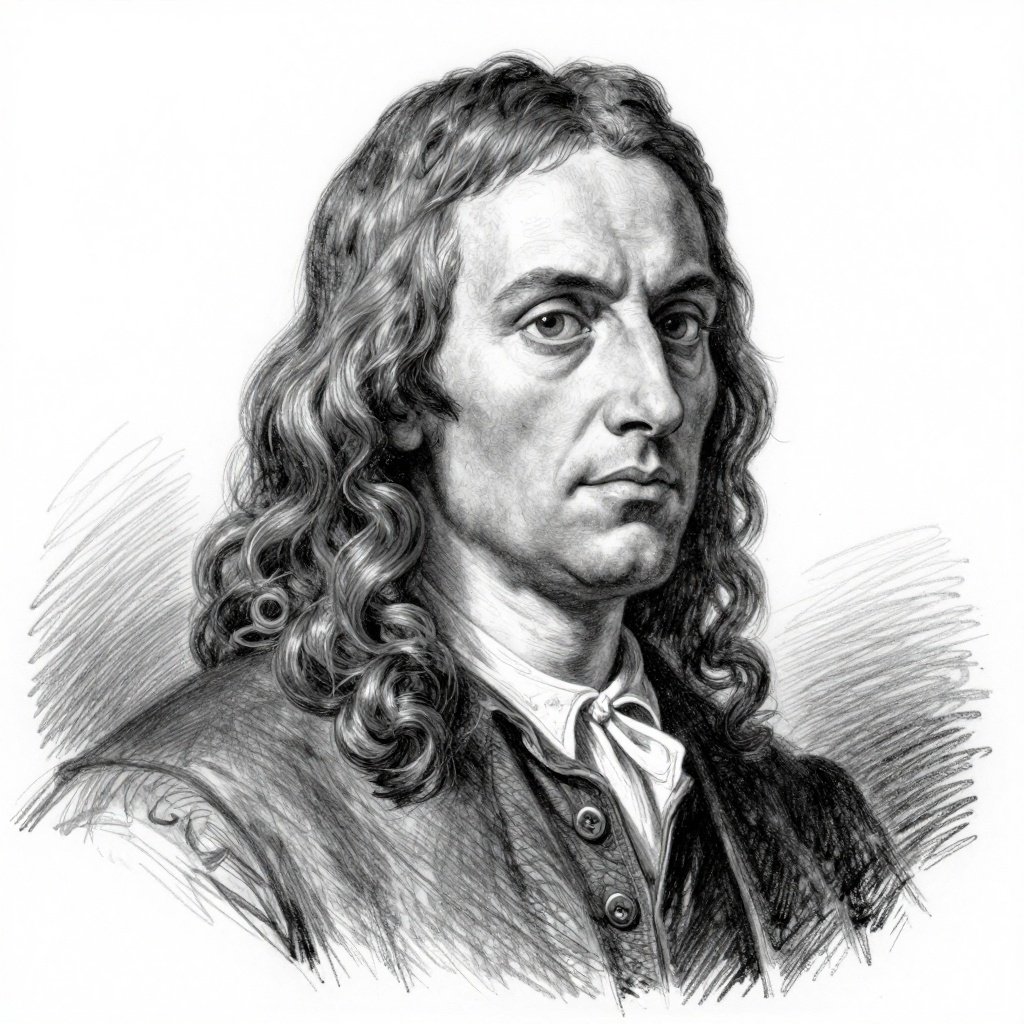
Comments