Quote · Added 18 June 2026
One ought, every day at least, to hear a little song, read a good poem, see a fine picture, and, if it were possible, to speak a few reasonable words.
No ratings yet
Filed underart·creativity·reflection
Quote · Added 18 June 2026
Filed underart·creativity·reflection
There's something quietly radical about treating beauty like a basic human need, right up there with food and sleep. Goethe isn't romanticizing art here—he's saying it's maintenance work, as essential as brushing your teeth. A song, a poem, a painting. Not masterpieces necessarily, just something that makes you feel alive for a moment.
Most of us live in the opposite direction. We optimize for efficiency, checking boxes, getting through the day. Beauty feels like a luxury we'll treat ourselves to "once things calm down"—which they never do. But notice what Goethe actually prescribes: small doses, daily. You don't need a museum trip or hours of free time. A three-minute song while making coffee. A poem while waiting for a meeting to start. These aren't time-intensive indulgences; they're tiny interruptions in the ordinary that reshape how the day feels.
There's also something honest in his last bit—"if it were possible, to speak a few reasonable words." Even he's realistic about the difficulty. Real conversation, where people actually think and listen, is rarer than any painting. But the point stands: feed your mind with beauty and sense, not just productivity and noise. It's not extra. It's the minimum viable life.
1749–1832·lived 82 years
Johann Wolfgang von Goethe (1749–1832) was a renowned German writer, scientist, and statesman. He is best known for his works such as "Faust," "The Sorrows of Young Werther," and "Wilhelm Meister's Apprenticeship," which have had a lasting impact on German literature. Goethe's diverse talents and intellectual pursuits made him a key figure of the Weimar Classicism movement.
Also by Johann Wolfgang von Goethe
Nothing shows a man's character more than what he laughs at.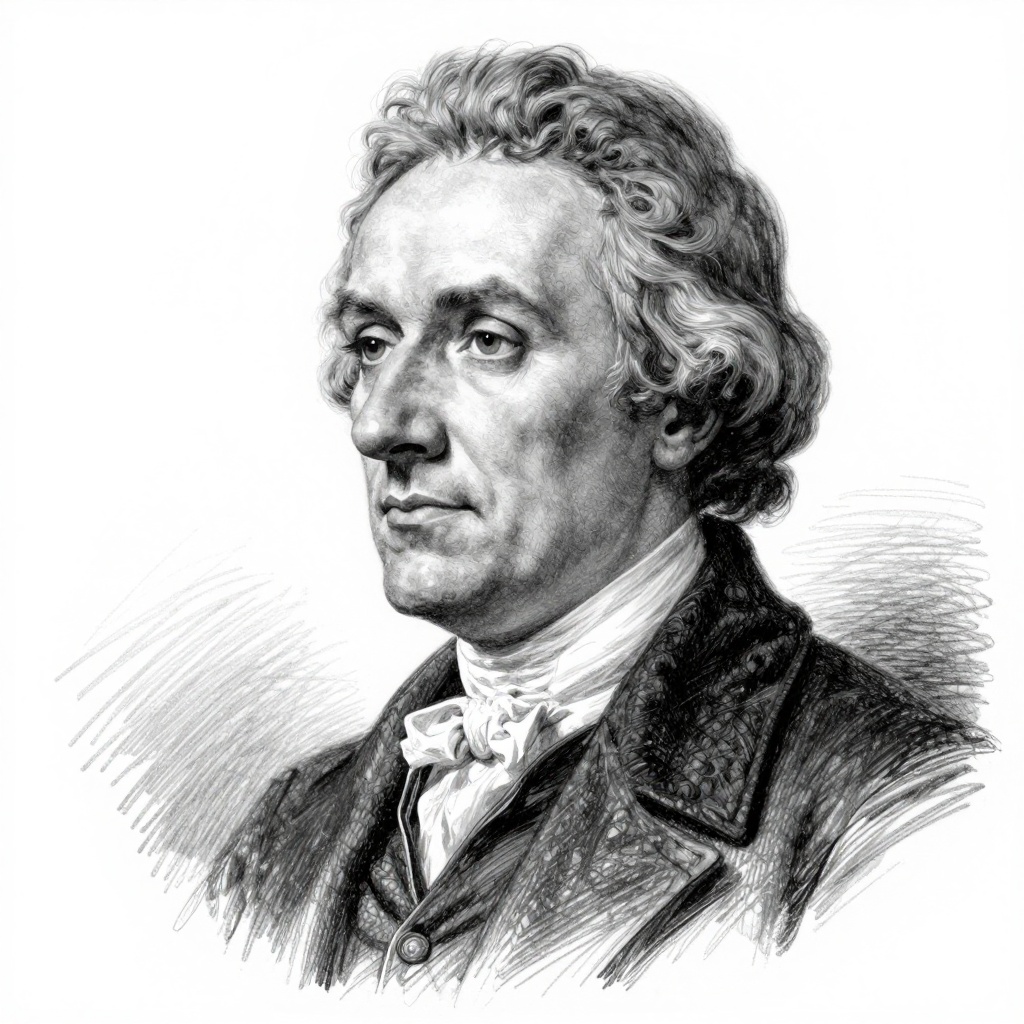
Comments