Quote · Added 5 October 2026
The more we value things outside our control, the less control we have.
EpictetusDiscourses, Book 2, 2008
No ratings yet
Filed undercontrol·value·perspective
Quote · Added 5 October 2026
Filed undercontrol·value·perspective
We've all felt this trap. You obsess over whether someone likes you, whether you'll get the job, whether your post gets enough attention—and suddenly your entire mood depends on outcomes you can't actually dictate. The irony is brutal: the more you desperately want something external, the more powerless you become. Your peace of mind gets held hostage by things that don't answer to you.
The counterintuitive part is that this isn't about giving up or not caring. It's about redirecting your intensity toward what's actually yours: your effort, your values, how you show up. A musician can't control whether critics praise her album, but she controls the practice, the creativity, the risk-taking. A parent can't control whether their kid becomes successful, but they control the love, presence, and lessons they offer. When you pour your emotional energy into what you can actually influence, you get your power back.
This explains why people who seem to care less sometimes achieve more. They're not apathetic—they've just stopped exhausting themselves on the imaginary line between effort and outcome. That shift alone, from "I need this to happen" to "I'll do my part excellently," changes everything about how capable you actually feel.
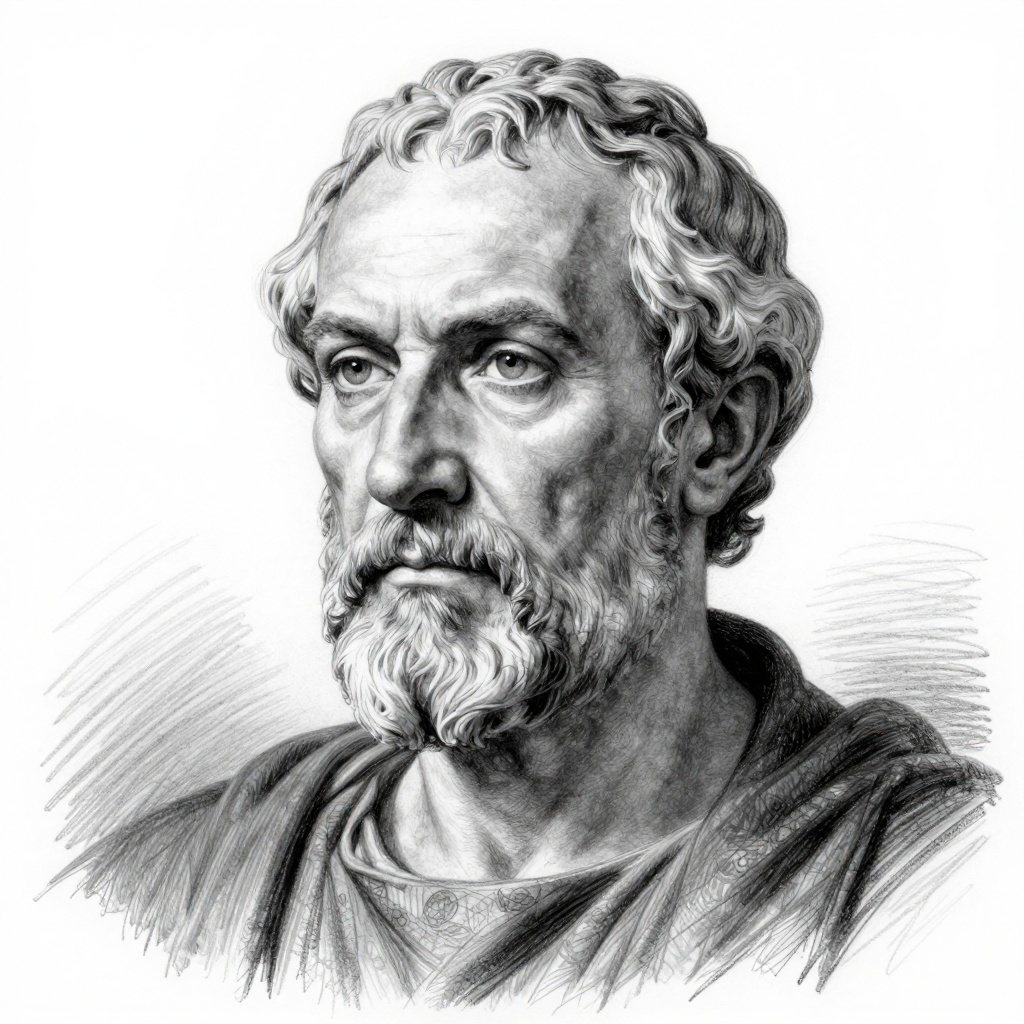
50–135·lived 85 years
Epictetus was a Greek philosopher born around 50 AD. He was known for his teachings on Stoicism, emphasizing personal ethics, self-control, and resilience in the face of adversity. Epictetus's lectures were compiled by his student Arrian into the "Discourses," which have had a lasting impact on Western philosophy.
Comments