Quote · Added 4 April 2026
We have two ears and one mouth so that we can listen twice as much as we speak.
Filed underlistening·communication·wisdom
Quote · Added 4 April 2026
Filed underlistening·communication·wisdom
Most of us sense that we're not very good listeners, but we rarely connect it to something deeper: we're actually designed for it. That 2-to-1 ratio isn't random—it's a hint that hearing twice as much as we talk would be our natural state if we just stopped fighting it. Instead, we spend conversations waiting for our turn, mentally rehearsing responses, or already planning how to steer things back to our own experience. It's exhausting, and ironically, it makes us lonelier because nobody feels truly heard.
The surprising part is that listening more doesn't make you weaker or less interesting—it does the opposite. People trust and respect those who actually take them in. When you listen twice as much, you pick up things others miss: the real worry behind a complaint, what someone actually needs versus what they're asking for, the moments when silence is more powerful than advice. You become the person people want to confide in, which means you learn more, see more clearly, and make better decisions.
The practical shift is small but requires real intention. In your next conversation, try to ask one more question before sharing your own thought. Notice what happens when you let someone finish without jumping in. That willingness to receive more than broadcast isn't a loss of voice—it's actually how you become someone worth listening to.
50–135·lived 85 years
Epictetus was a Greek philosopher born around 50 AD. He was known for his teachings on Stoicism, emphasizing personal ethics, self-control, and resilience in the face of adversity. Epictetus's lectures were compiled by his student Arrian into the "Discourses," which have had a lasting impact on Western philosophy.
Also by Epictetus
Peace is achieved not by avoiding conflict, but by facing it wisely.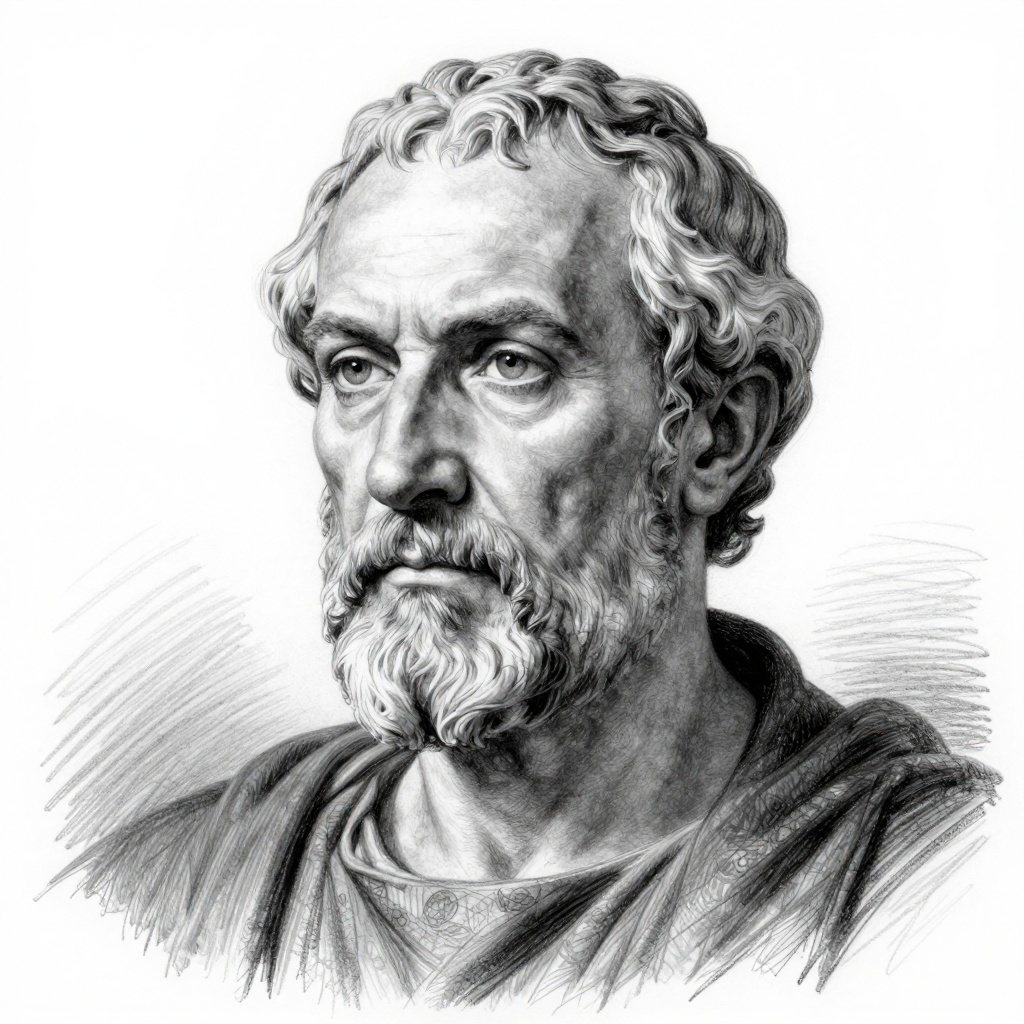
Comments