Quote · Added 14 February 2026
Never lose an opportunity of seeing anything beautiful, for beauty is God's handwriting.
Ralph Waldo EmersonBeauty is God's Handwriting, OPreach, 2012
Filed underbeauty·opportunity·spirituality
Quote · Added 14 February 2026
Filed underbeauty·opportunity·spirituality
We live in an age of abundance, yet we're somehow starving for beauty. Most of us scroll past sunsets on our phones, hurry through parks on the way to somewhere else, and forget that a well-arranged room or a stranger's genuine laugh counts as something worth noticing. Emerson's point isn't about being precious or artistic—it's simpler and harder than that. He's suggesting that when you actually stop to absorb something beautiful, you're encountering something true about the world, something that speaks directly to you.
The practical tension here is real: beauty often requires slowness, and we've optimized our lives for speed. But there's a quiet rebellion in choosing to notice. It doesn't cost money. A beautiful moment might be a shaft of light through old windows, the way someone listens, the geometry of frost on grass. These aren't distractions from your "real" life—they're evidence that your real life is happening right now, available to you.
The deeper insight is that beauty isn't decoration. It's information. When you train yourself to see it regularly, you're training yourself to recognize meaning, pattern, and care in places you hadn't looked before. That shifts how you move through the world.
1803–1882·lived 78 years
Ralph Waldo Emerson (1803–1882) was an American essayist, lecturer, and poet who led the Transcendentalist movement of the mid-19th century. He is known for his philosophical essays, particularly "Nature" and "Self-Reliance," which emphasize individualism, self-reliance, and the importance of nature as a spiritual force.
Also by Ralph Waldo Emerson
Be silly, be honest, be kind.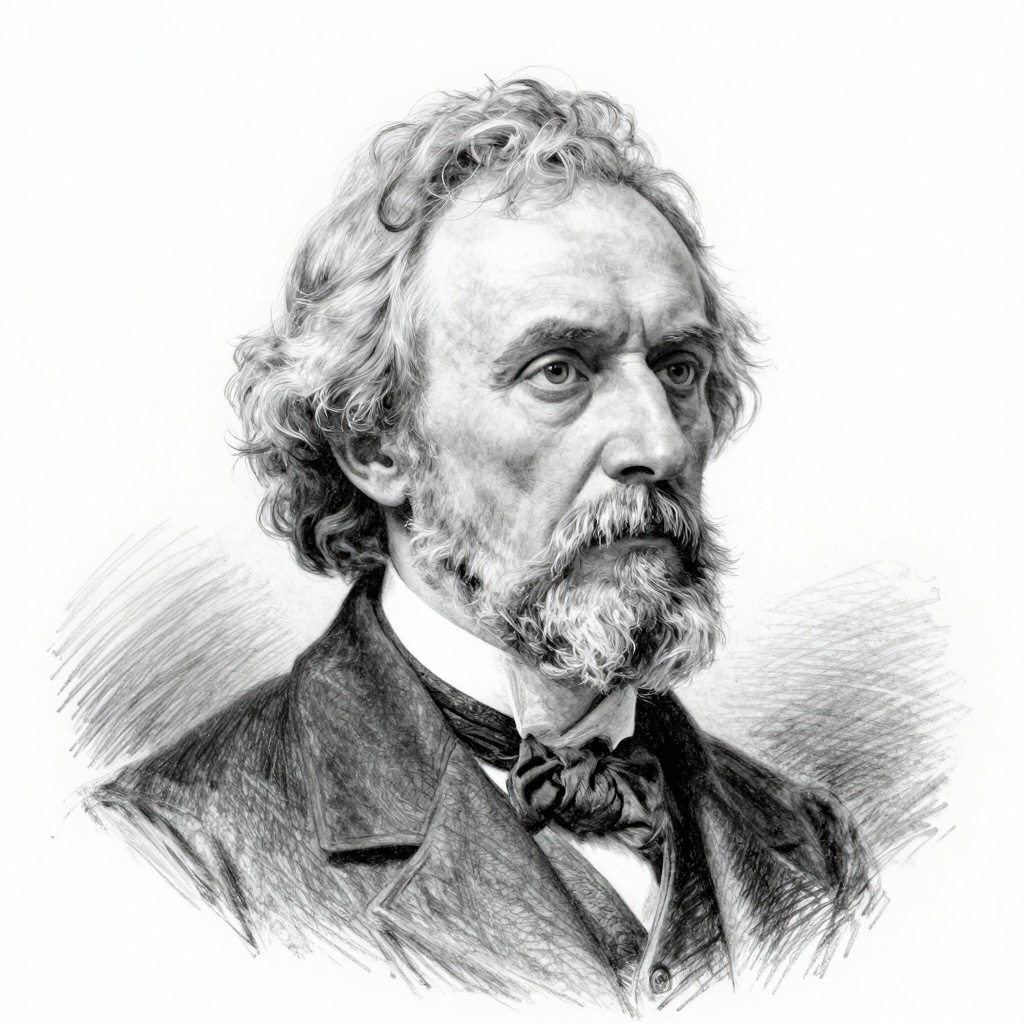
Comments