Quote · Added 19 March 2026
Explore
Reading
AI generatedWhat people read shapes how they think
There's something almost timeless about using books as a shortcut to understanding someone. When you meet someone genuinely thoughtful, asking what they read does more than make polite conversation—it gives you a direct line into how they think. Books aren't just entertainment or information; they're the scaffolding someone builds their mind with. The ideas they choose to sit with, often for hours, shape how they see problems and people.
What makes this quote still sharp is how it cuts against the noise of our attention economy. Today, we're bombarded with fragments—tweets, headlines, trending videos—yet the people we find most interesting tend to be those who still read deeply. There's something about sustained engagement with a book that creates a different kind of thinking than skimming. When you ask someone what books shaped them, you're really asking: what ideas have you let sit inside your head long enough to change it?
The slightly counterintuitive part is that it works in reverse too. If you want to become more interesting, more capable of original thought, the question isn't what should you read, but rather: what books will you actually sit with? The intellect isn't something you're born with—it's built through the company of other minds, page by page.
The author
All 110 quotes by Ralph Waldo Emerson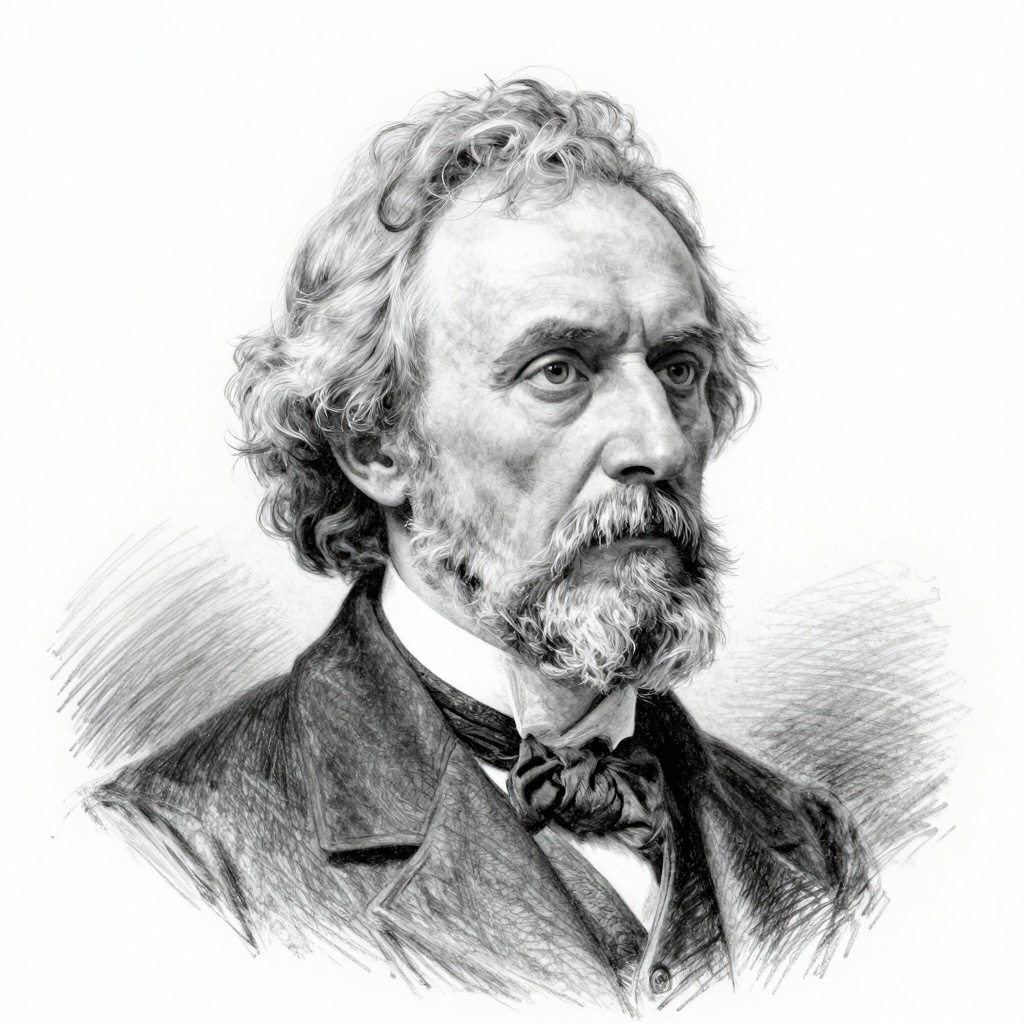
Ralph Waldo Emerson
1803–1882·lived 78 years
Ralph Waldo Emerson (1803–1882) was an American essayist, lecturer, and poet who led the Transcendentalist movement of the mid-19th century. He is known for his philosophical essays, particularly "Nature" and "Self-Reliance," which emphasize individualism, self-reliance, and the importance of nature as a spiritual force.
Also by Ralph Waldo Emerson
Be silly, be honest, be kind.
Comments