Quote · Added 20 March 2026
Speech is power; speech is to persuade, to convert, to compel.
Filed underspeech·power·persuasion
Quote · Added 20 March 2026
Filed underspeech·power·persuasion
There's something unsettling about this idea—that speech is fundamentally about power. We like to think of talking as just... talking, an honest sharing of what's on our mind. But Emerson was onto something real. Every time you speak, you're trying to move someone. You want them to believe you, agree with you, or at least take you seriously. A parent explaining bedtime to a child, a friend convincing you to try something new, an employee pitching an idea in a meeting—all of it hinges on the power of words to shift how someone thinks or acts.
The tricky part is recognizing this without becoming cynical about it. Understanding that speech has power doesn't make you manipulative; it actually makes you more honest. When you realize words matter this much, you start choosing them differently. You notice the gap between what you're really trying to accomplish and what you're actually saying. You get more careful about whether you're trying to compel someone for their own good or just for yours.
The people we remember as great communicators aren't the slickest talkers—they're the ones who seem to understand both sides of this equation. They respect the power of speech enough to use it thoughtfully.
1803–1882·lived 78 years
Ralph Waldo Emerson (1803–1882) was an American essayist, lecturer, and poet who led the Transcendentalist movement of the mid-19th century. He is known for his philosophical essays, particularly "Nature" and "Self-Reliance," which emphasize individualism, self-reliance, and the importance of nature as a spiritual force.
Also by Ralph Waldo Emerson
Be silly, be honest, be kind.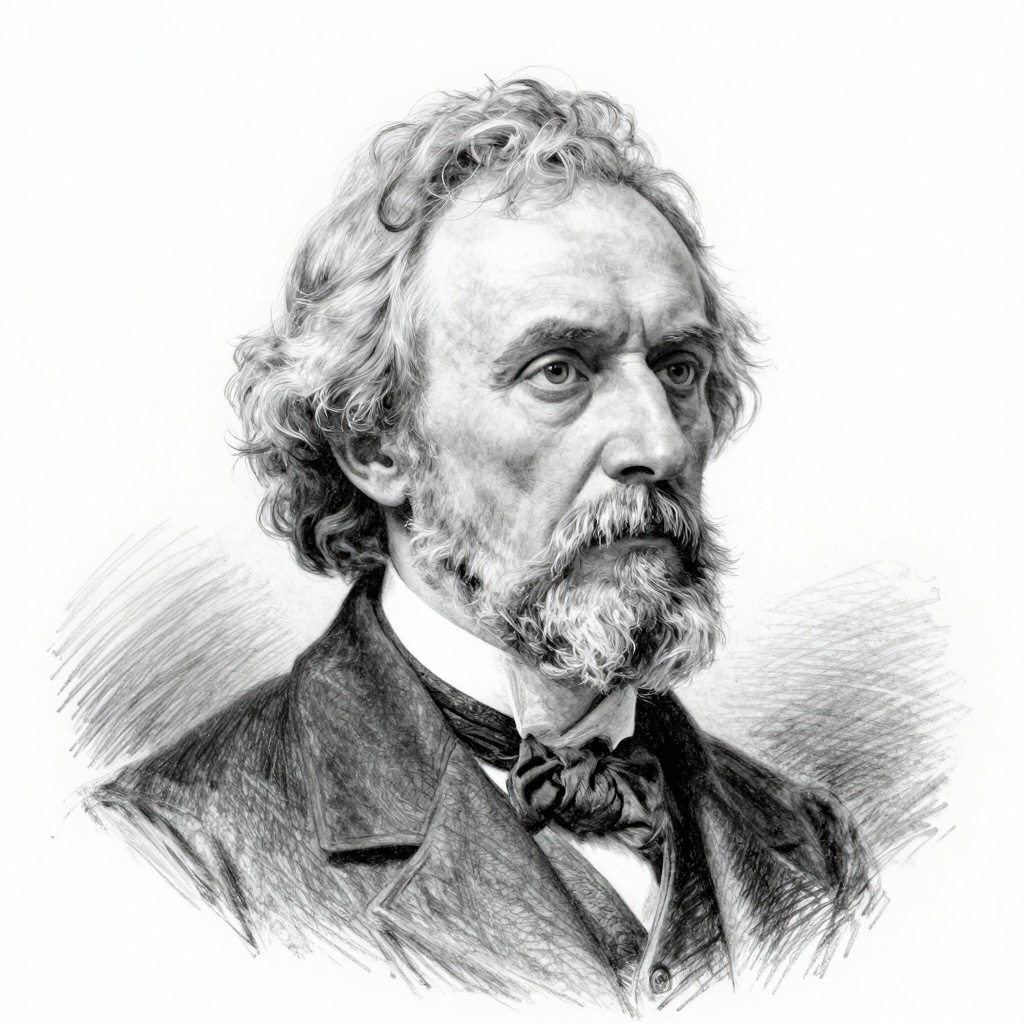
Comments