Quote · Added 3 March 2026
Explore
Reading
AI generatedBooks rewire you whether you remember them
There's something quietly freeing about this idea, especially if you're someone who worries you're not retaining enough. You read a book, finish it, and within weeks you've forgotten half the plot points or specific arguments. It feels like a waste—like the time evaporated. But Emerson is pointing at something real: the book changed you anyway. Not in the dramatic, lightning-bolt way we imagine, but in how it shifted something small in your thinking, your assumptions, the way you see a problem.
This matters today because we're drowning in information but starving for meaning. We consume constantly—articles, podcasts, newsletters—partly hoping it'll accumulate into wisdom. But the fixation on remembering everything can actually work against real learning. What matters isn't whether you can quote chapter three; it's whether the experience rewired you slightly. A good book seasons you the way a meal does. You don't remember every ingredient, but your body remembers the nourishment. You're different because of it, even when you can't point to exactly how.
The surprising part? You probably shouldn't worry about the forgetting. It means you've already taken what you needed and integrated it. The books that truly made you don't feel like information anymore—they feel like the way you think.
The author
All 110 quotes by Ralph Waldo Emerson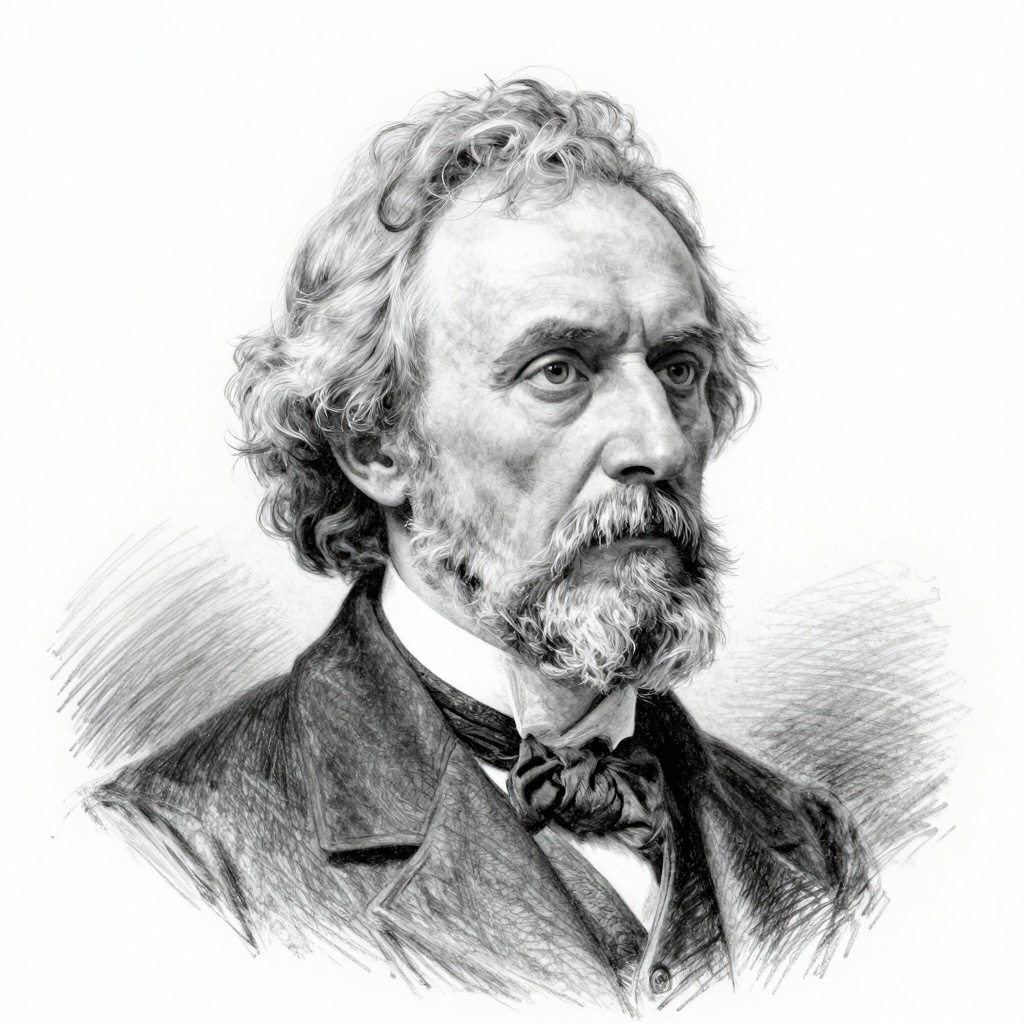
Ralph Waldo Emerson
1803–1882·lived 78 years
Ralph Waldo Emerson (1803–1882) was an American essayist, lecturer, and poet who led the Transcendentalist movement of the mid-19th century. He is known for his philosophical essays, particularly "Nature" and "Self-Reliance," which emphasize individualism, self-reliance, and the importance of nature as a spiritual force.
Also by Ralph Waldo Emerson
Be silly, be honest, be kind.
Comments