Quote · Added 21 August 2023
Throw off your worries when you throw off your clothes at night.
Napoleon BonaparteNapoleon in his own words from the French of Jules Bertaut
No ratings yet
Quote · Added 21 August 2023
There's something oddly practical about this advice from someone who conquered half of Europe. Napoleon wasn't suggesting you pretend your problems don't exist—he was recognizing that your brain needs permission to stop working the second shift. Most of us carry our worries like a second layer of clothing we never actually remove, so we fall asleep still wearing them, wake up already exhausted.
The insight is that worry is often a habit we've forgotten is optional. You can worry while making coffee, while driving, while lying in bed staring at the ceiling at 2 AM. But you can also decide that 9 PM is when the worrying stops for the day. Not because the problems disappear, but because your mind actually needs the break to function well. The people who sleep poorly aren't usually the ones with fewer problems—they're the ones who never clock out.
What's slightly counterintuitive here is that letting go of your worries at night isn't weak or lazy. It's actually strategic. You can't solve tomorrow's problems well if today's anxiety has left you sleep-deprived and foggy. Sometimes the most productive thing you can do is stop trying, close your eyes, and trust that the problems will still be there waiting for you in the morning—rested, you'll handle them better anyway.
1769–1821·lived 51 years
Napoleon Bonaparte was a French military general and the first Emperor of France, reigning from 1804 to 1814. He is best known for his military conquests that expanded the French Empire and his role in the Napoleonic Wars that had a significant impact on European history.
Also by Napoleon Bonaparte
A man is respected for what he achieves, not for what he promises.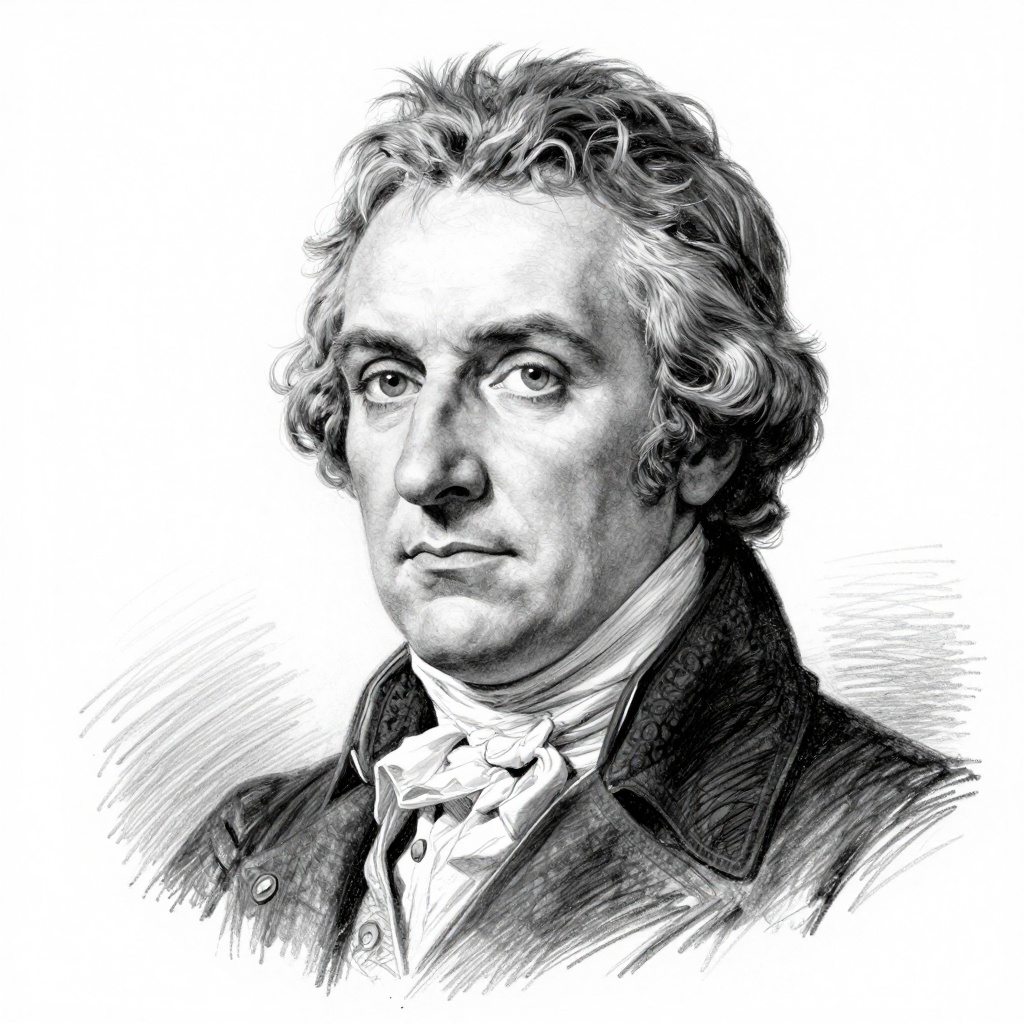
Comments