Quote · Added 26 March 2026
The great majority of men attend to what is necessary only when they feel a need for it—the precise time when it is too late.
No ratings yet
Quote · Added 26 March 2026
We wait. We always wait. The car warning light comes on, and we keep driving for three weeks before scheduling the appointment. We feel the first twinge in our knee and ignore it until we can't climb stairs. We know we should save money, learn that skill, or fix that relationship, but we tell ourselves there's still time. Then suddenly, there isn't.
Napoleon's observation cuts at something we all experience but rarely name: the gap between knowing something matters and actually acting on it. The trap is that necessity only feels real when the damage is already done. By then, you're not preventing a problem—you're managing a crisis. A small conversation about a hurt feeling becomes a broken friendship. Preventive care becomes emergency surgery. Early interest in a skill becomes desperate cramming before the interview.
The twist is that this isn't about laziness or stupidity. It's almost a feature of how our brains work. We're wired to respond to immediate threats, not distant ones. The difference between thriving and merely surviving often comes down to a single uncomfortable skill: taking something seriously before you have to. It's the unglamorous work of maintenance—of your body, your skills, your relationships—done when everything still feels fine.
1769–1821·lived 51 years
Napoleon Bonaparte was a French military general and the first Emperor of France, reigning from 1804 to 1814. He is best known for his military conquests that expanded the French Empire and his role in the Napoleonic Wars that had a significant impact on European history.
Also by Napoleon Bonaparte
A man is respected for what he achieves, not for what he promises.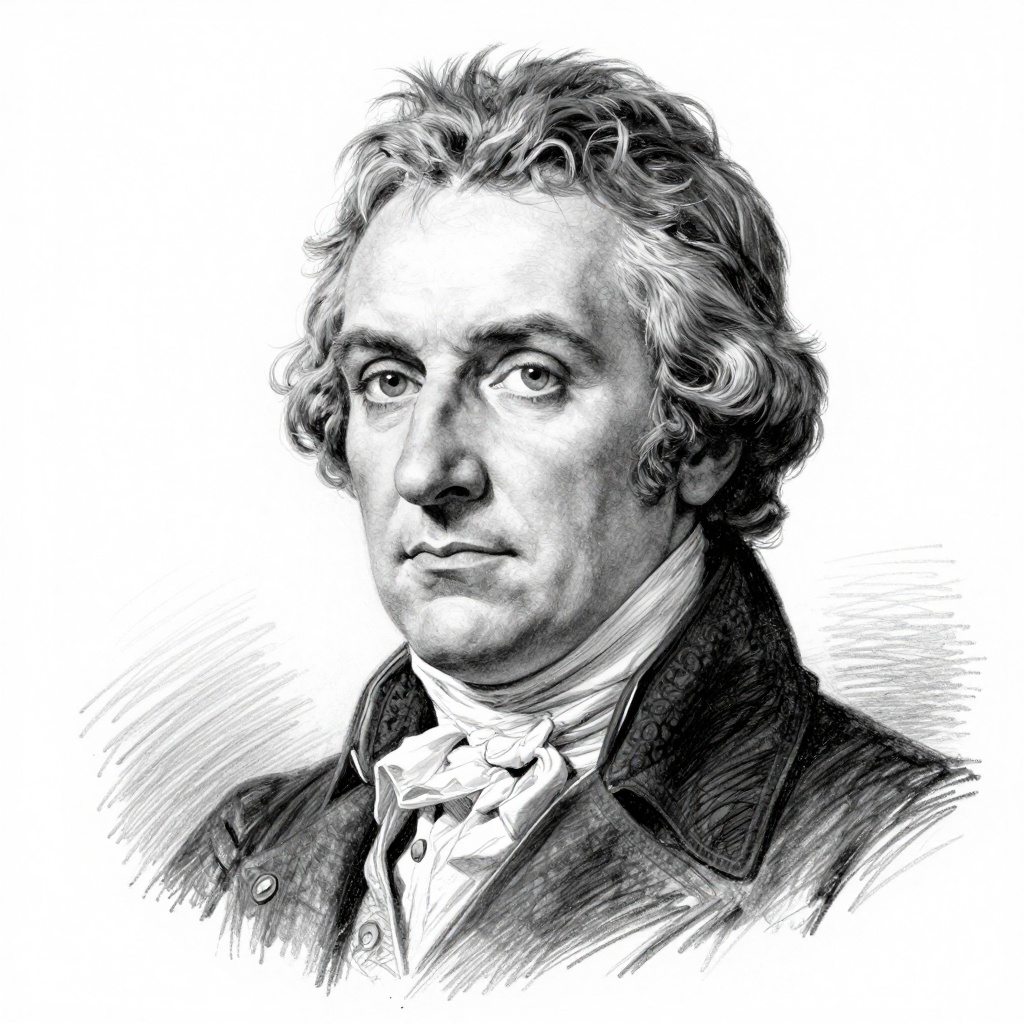
Comments