Quote · Added 24 March 2026
You don't reason with intellectuals. You shoot them.
No ratings yet
Quote · Added 24 March 2026
This brutal quote reveals something uncomfortable about how power actually works—and it's worth sitting with, even if we recoil from it. Napoleon wasn't just being coldhearted; he was pointing out a real tension: intellectuals traffic in ideas, arguments, and persuasion. They're dangerous to autocrats precisely because they can't be controlled through normal chains of command. You can't order someone to stop thinking a certain way. So tyrants throughout history have understood that silencing thinkers matters more than silencing soldiers.
But here's the twist: the quote also hints at why intellectuals, despite their vulnerability, have outsized impact. If ideas were truly powerless, there'd be no need to shoot anyone. The fact that Napoleon felt compelled to eliminate them suggests he knew that convincing people to believe something—to question authority, imagine alternatives, demand justice—is actually more dangerous to a regime than any army. A soldier follows orders; a thinking person decides whether orders are worth following.
In democracies, we don't literally shoot intellectuals, but we do sometimes dismiss them, mock them, or pretend their arguments don't matter. The quote reminds us that intellectual freedom isn't a luxury—it's the foundation that keeps power from becoming absolute. When we stop valuing rigorous thinking and debate, we're moving closer to a world where might really does become right.
1769–1821·lived 51 years
Napoleon Bonaparte was a French military general and the first Emperor of France, reigning from 1804 to 1814. He is best known for his military conquests that expanded the French Empire and his role in the Napoleonic Wars that had a significant impact on European history.
Also by Napoleon Bonaparte
A man is respected for what he achieves, not for what he promises.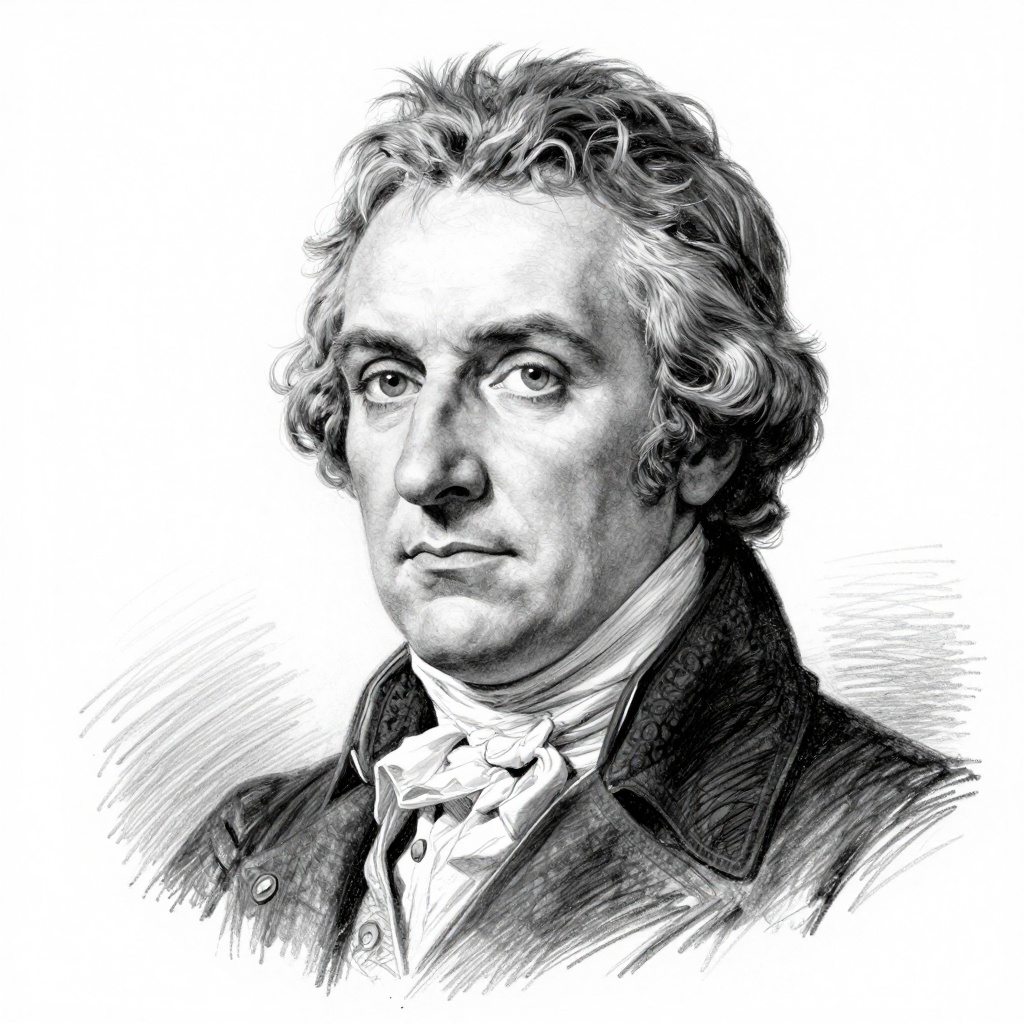
Comments